During the plum rain season, these 5 types of flowers must never be left out in the rain, or they may easily die
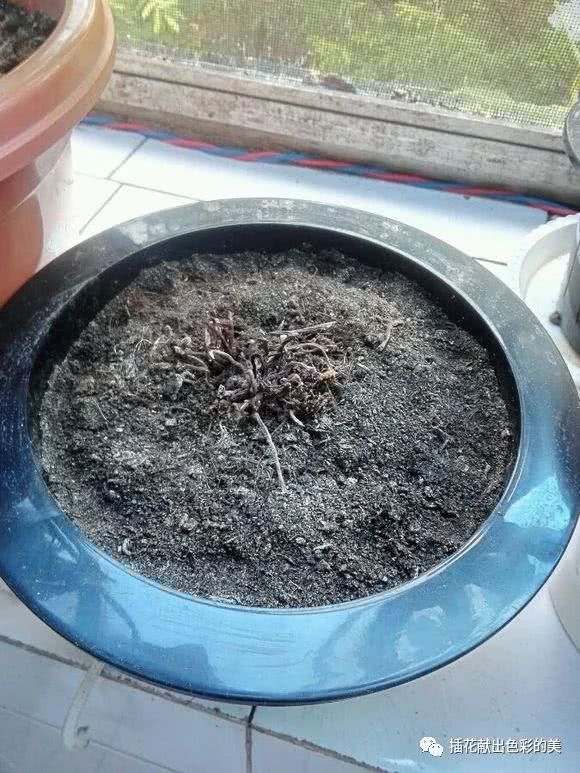
The plum rain season is about to begin. Gardeners in the south are all quite frustrated during the plum rain season: humidity is high, temperatures are high, clothes and other items mold easily, bacteria multiply quickly, and flowers get sick easily. Not only do people feel especially uncomfortable, but flowers are also prone to pests and diseases. There is a lot of rain during this period, and some flowers had best not be left out in the rain at this time, otherwise problems like various diseases and root rot can easily occur. Let's take a look together!
Dormant-type flowers
When some flowers enter summer, they begin to show a dormant or semi-dormant state. At this time the plants grow very slowly, and many flowers' above-ground leaves dry up, leaving only the underground parts, which sprout again when it turns cool in autumn. Examples include narcissus, cyclamen, fuchsia, gloxinia, and so on. During the plum rain season, do not let them get rained on or sit in water, otherwise root rot, dieback, and similar problems will occur.
Fleshy-rooted and bulbous flowers
Most fleshy-rooted and bulbous flowers are drought-tolerant and not waterlogging-tolerant. A brief lack of water is not a big deal, and they recover quickly after watering. But standing water easily causes root rot, and especially when the potting soil stays wet for a long time, it can also easily rot the leaves or the base of the stems. Flowers such as bird of paradise, dahlia, orchids, and clivia belong to this category.
Flowers with fuzzy hairs
Many flowers have fuzzy hairs on their leaves, such as calceolaria, gloxinia, and African daisy. Normally when watering, do not pour water on the leaves either; generally water along the edge of the pot or use the bottom-watering method. If ventilation is poor, water on the leaves does not evaporate easily, and stem rot and leaf rot very easily occur.
Plants that tolerate drought and fear waterlogging
Many flowers tolerate drought and fear waterlogging, because they may have somewhat fleshy leaves or stems that can store some water, or their root systems are weak and standing water will rot the roots. In long stretches of rainy days, overly wet potting soil very easily causes root rot. Examples include money tree, ZZ plant, kalanchoe, and so on.
Succulents
Succulents must be watered very carefully; generally you should water thoroughly only after the soil has dried out completely. If there are consecutive rainy days and the potting soil is wet every day, these succulents' roots rot extremely easily and their leaves turn to mush. So during this period, even succulents grown outdoors are best kept out of the rain. Succulents in the cactus family, Crassulaceae family, and Aizoaceae family all need attention.
There is a lot of rain during the plum rain season and it lasts a long time. Check more often whether the potting soil has standing water. If there is standing water, promptly move the plants to a well-ventilated place and drain the water in time to prevent root rot from standing water.
Do you get a lot of rain during your plum rain season?
Show this to gardeners who need it!