-

Analysis of the Characteristics of Legume Vegetables and Their Pesticide Residue Situation
Do you like eating legumes? Do you know whether they have pesticide residues? Inspections have found that the pesticide residue failure rate of legume vegetables such as green beans, peas and common beans is as high as 63%. Among the pesticide residues detected were chlorothalonil and acetamiprid
-

What varieties and types of Pinellia ternata are there? Detailed introduction
Pinellia ternata commercial products are subglobose, some slightly flattened and oblique, 1-1.5 cm in diameter. The surface is white or pale yellow, the top has a sunken stem scar, surrounded by densely distributed pitted root scars commonly called "brown eyes," and the lower part is bluntly rounded and relatively smooth. The texture is solid, the cross-section is pure white and kidney-shaped, rich in farinaceous character, odorless, pungent in taste, numbing to the tongue and irritating to the throat, and sticky when chewed. In the past, commercial Pinellia ternata was divided into many commodity types according to production area; Xufuzi: the adjacent areas of Sichuan and Yunnan, especially that produced in Zhaotong, Yunnan, is the most famous and has the reputation of "Pearl Pinellia." Nearby Leibo,
-
Which types of feed cannot be used alone to feed rabbits?
1. White radish leaves: White radish leaves contain very high levels of chlorophyll and a lot of water. If rabbits eat too much, they are prone to bloating, diarrhea, indigestion, and similar problems. Therefore, when feeding white radish leaves to rabbits, they should be mixed with other forage grasses, vegetable leaves, and so on. 2. Peanut vines: Peanut vines are rich in nutrients, and rabbits love to eat them, but because they contain a lot of crude fiber and water, excessive intake by rabbits can easily cause big belly disease, loose stools, indigestion, and similar problems, so they should not be fed alone in large amounts. In addition, when using peanut vines to feed rabbits, combining them with feeding the rabbits some onions, garlic heads
-
These types of feed can easily cause pig poisoning
1. Sprouted potatoes and their stems and leaves. Because the embryo buds contain large amounts of solanine, they can cause poisoning and paralysis. 2. Tender young sorghum seedlings, corn seedlings, and fresh flaxseed. They often cause hydrocyanic acid poisoning due to high levels of cyanogenic glycosides. 3. Moldy and deteriorated compound feed, mixed feed, grains, bran, beans, tubers, and moldy oilseed cakes, etc. They cause poisoning because they contain various molds and toxins such as Aspergillus flavus, Fusarium, rust fungi, and others. 4. Undetoxified cottonseed cake, tea seed cake, etc. After pigs eat them, digestive enzymes, microorganisms, or water act on them
-
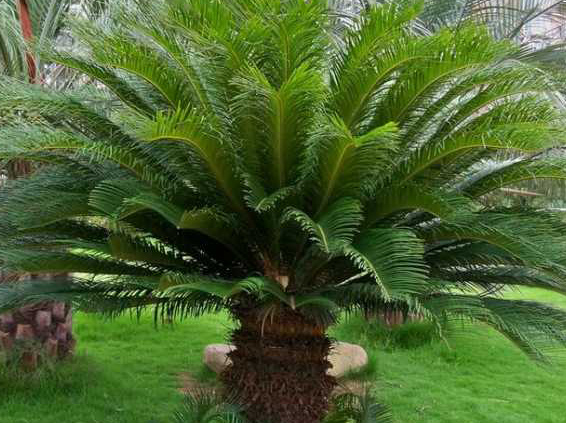
What Types of Cycads Are There? Introduction to Common Varieties
Cycads are a rare plant group in the world, with 24 extant species. Those commonly seen in gardens include: Cycas rumphii, Cycas szechuanensis, Cycas panzhihuaensis, Cycas micholitzii, Cycas multipinnata, Zamia cycads, and others
-
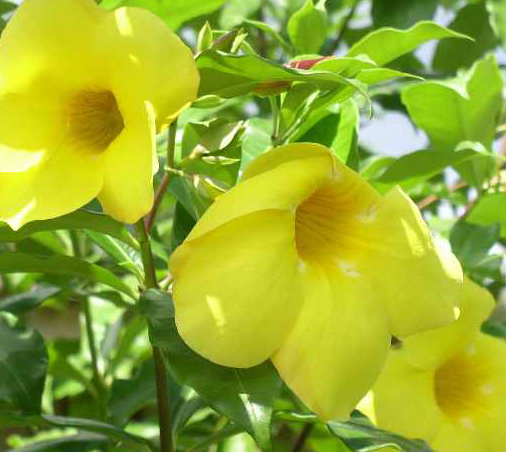
What types of yellow allamanda are there? A detailed introduction to common yellow allamanda varieties
Yellow allamanda belongs to the genus Allamanda in the family Apocynaceae. This genus has 15 species, distributed in tropical America. The common species and cultivated species introduced and grown in China include: yellow allamanda, willow-leaved allamanda, double-flowered willow-leaved allamanda, small-leaved willow-leaved allamanda, white allamanda, and purple allamanda. Yellow allamanda is an evergreen shrub. Leaves are 3-5 in whorls, ovate-lanceolate, with entire margins
-
What are the types of whitefly pests and their damage symptoms?
Which whiteflies are commonly seen? What kind of damage do whiteflies bring to agricultural products? Let's take a look together below and get to know them first. The silverleaf whitefly belongs to the order Homoptera, family Aleyrodidae. Since it invaded the main island of Taiwan, China in the 78th year of the Republic of China, the
-
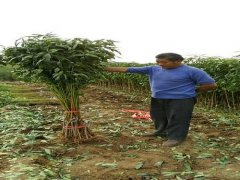
What is organic matter in fertilizer, and what types are there?
Do you know the selection and application techniques of organic matter fertilizers? If not, then take a look at this article and learn about it. This way you can fertilize crops better. Choose according to soil conditions. You can send soil samples to an improvement station to analyze the soil's organic matter.
-
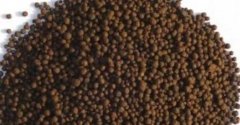
Organic Fertilizer: Definition, Types and Characteristics Explained
What types and characteristics do organic fertilizers have? Did you know? If you would like to learn about the following, take a look. The sources of organic matter can be divided into two major categories: one is farm organic fertilizer, and the other is commercial organic fertilizer. Farm organic fertilizer varies more in composition, while
-
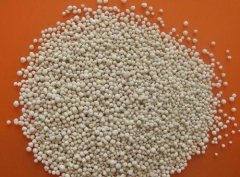
A Detailed Explanation of the Types, Functions, Advantages and Disadvantages of Chemical Fertilizers
Are chemical fertilizers good to use? Nowadays chemical fertilizers are no longer very popular, and everyone is talking about organic fertilizers, so what advantages do chemical fertilizers still have? Chemical fertilizers are a source of pollution: applying large amounts of fertilizer to farmland inevitably causes a great impact. Chemical fertilizers are usually a
条件筛选