Organic Fertilizer: Definition, Types and Characteristics Explained
What types and characteristics do organic fertilizers have? Did you know? If you would like to learn about the following, take a look. The sources of organic matter can be divided into two major categories: one is farm organic fertilizer, and the other is commercial organic fertilizer. Farm organic fertilizer varies more in composition, while
What types and characteristics do organic fertilizers have? Did you know? If you would like to learn about the following, take a look. The sources of organic matter can be divided into two major categories: one is farm organic fertilizer, and the other is commercial organic fertilizer. Farm organic fertilizer varies more in composition, while commercial organic fertilizer is made according to specific formulas for products and various by-products, so its composition is more fixed.
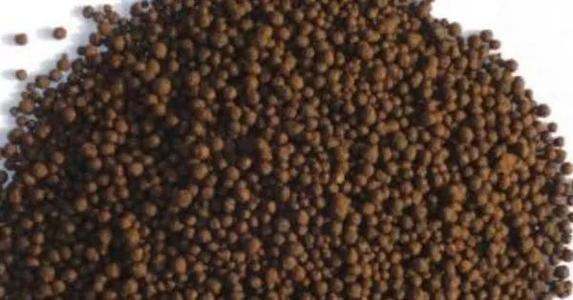
The application of organic matter is one of the important topics in organic agriculture. It has many functions: besides being decomposed to release nutrients for plants, it also helps improve the physical and chemical properties of soil and enhance the availability of nutrient elements, among other benefits. There are many sources of organic matter for agricultural use, all of them from the remains or residues of organisms, including plant, animal and microbial sources. Some are fresh, some are dry, some are already decomposed, and some are residues of several years, a hundred years, or tens of millions of years. Because the sources and the ease of decomposition differ, it is necessary to understand the characteristics of organic matter, which will help in choosing and applying it properly.
Types and Characteristics
Their types and characteristics are explained separately below:
1. Farm organic fertilizer: includes barnyard manure, plant residues, green manure and other organic materials.
1. Barnyard manure:
The excrement of various animals is a common organic fertilizer, such as the excrement of poultry, cattle, pigs, sheep and other animals, including both solid and liquid types. Apart from the fact that the type and nutrient content of the excrement differ greatly among animals, differences in feed and digestive capacity are also important influencing factors. Generally, chicken manure contains higher nitrogen, while pig manure commonly contains more phosphorus than cattle manure. In animal excrement, the solid and liquid parts (urine water) can be handled separately or mixed with absorbent materials (plant matter or absorbent material) for use as barnyard manure. Taiwan, China is moving toward enterprise-style pig and chicken farming, and the treatment and application of this animal manure deserves attention.
2. Plant residues:
Crop residues can be used as barnyard manure, compost, or left in the field as organic fertilizer. Although the nutrient content of crop residues is not high, their main value is that they can improve soil structure and, during decomposition, produce many organic acids that enhance the availability of soil nutrients; they are especially important for the supply of trace elements.
Compost is the product of plant and animal waste after piling and partial decomposition. Because there are many kinds of source materials, and even garbage can be composted, some basic understanding of compost making is necessary:
The purpose of applying compost is to increase soil organic matter and growth promoters so as to maintain soil fertility, and it is especially beneficial to the physical, chemical and biological properties of soil.
The decomposition of organic matter is carried out by microorganisms, so the environment for making compost must suit the conditions for microbial activity, such as sufficient moisture and aeration. During production, steps of piling and turning are needed, and enough nitrogen is also needed to support the reproduction of microorganisms. To give the pile a better start, decomposed compost or microbial inoculants can be used to accelerate compost formation. During decomposition, compost can generate high temperatures, which help kill pathogens, so covering the compost to raise the temperature is also a useful method.
Adding minerals and other organic matter can accelerate the maturing effect of compost, especially the addition of nitrogen-containing organic matter (bean powder and yeast powder), which is most effective for compost materials with a high "carbon-to-nitrogen ratio"; usually 0.1-1% is applied. Lime materials can reduce the occurrence of acidity; for example, limestone powder is commonly applied at 0.3-0.5%, which helps the quality of the compost.
Soil animals are also often considered to have the effect of accelerating the decomposition of organic matter, but they are rarely used in practice.
3. Green manure:
Green manure is the use of whole green plants or their stems and roots as direct fertilizer. There are many kinds of green manure crops, among them legumes such as sesbania, sunn hemp, velvet bean, Chinese milk vetch and soybean; non-legumes such as rapeseed and radish are also used. Because legumes can live symbiotically with rhizobia to fix nitrogen from the air, they increase the soil's nitrogen sources. Green manure crops, whether leguminous or non-leguminous, can all serve to conserve soil nutrients by absorbing soil nutrients into the green manure plant body, temporarily preserving them and reducing losses; when used as green manure, they can then decompose and release the nutrients again, and during decomposition they can increase the availability of phosphorus and trace elements.
In agricultural production in Taiwan, China, from the viewpoint of long-term soil maintenance, although green manure cannot be planted once every year, it should still be planted at least once every two or three years; especially on farmland where organic fertilizer is seldom applied, the planting of green manure needs to be adopted and must be given special attention.