-
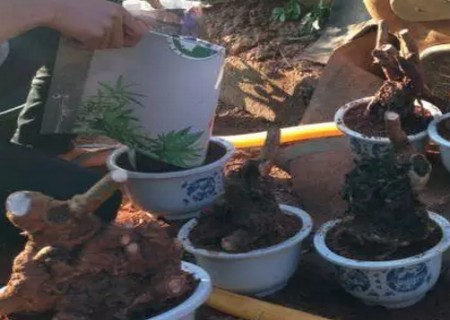
Detailed Explanation of the Transplanting Methods and Operation Steps for Collected Bonsai Deciduous Trees
Collected trees, that is, wild tree stumps dug from the mountains, used as bonsai material. Generally, such material possesses a strange, perilous, quaint and elegant effect that is very difficult to achieve by artificial means. Perhaps your firewood is someone else's bonsai material. Based on my more than ten years of understanding of bonsai stump transplanting
-
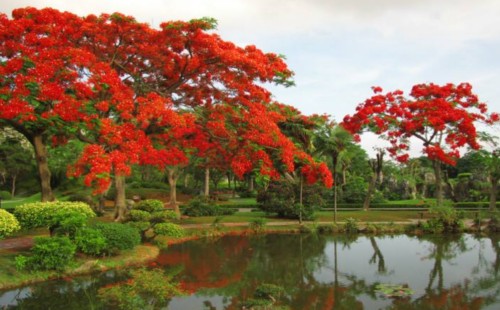
Can flamboyant trees be grown in the north? A feasibility analysis
The flamboyant tree (Delonix regia) has a graceful form, with red flowers and green leaves, and holds extremely high ornamental value. It is often used in urban landscaping and beautification, with very good results. But the flamboyant tree cannot be grown just anywhere; it also has certain requirements for its growing environment. Because our country is vast
-
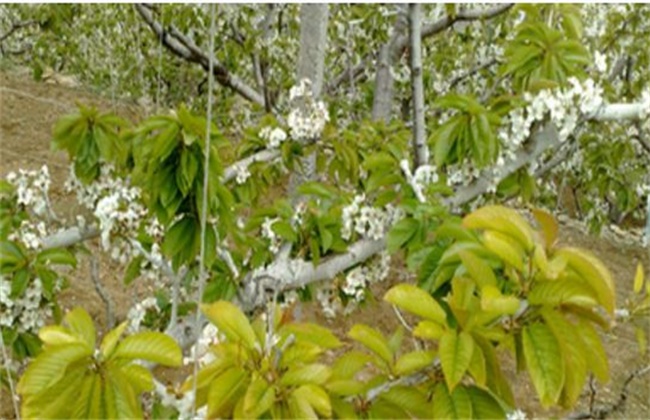
Causes of Yellowing Leaves on Cherry Trees and How to Prevent and Treat Them
Causes of Yellow Leaves on Cherry Trees and How to Prevent and Treat Them
-
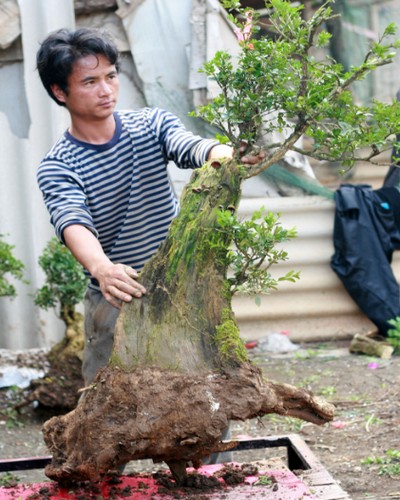
What are the methods and precautions for collecting bonsai trees in the wild?
The classification of tree-stump bonsai should include wild-collected stumps and nursery-grown seedlings. The former refers to bonsai made from wild-collected stumps, whose main characteristic is aged and antique simplicity; the latter refers to bonsai made from artificially cultivated seedlings, whose main characteristic is a rigorous layout. The two should not be confused. When collecting tree stumps in the wild, first do the preparatory work before digging.
-
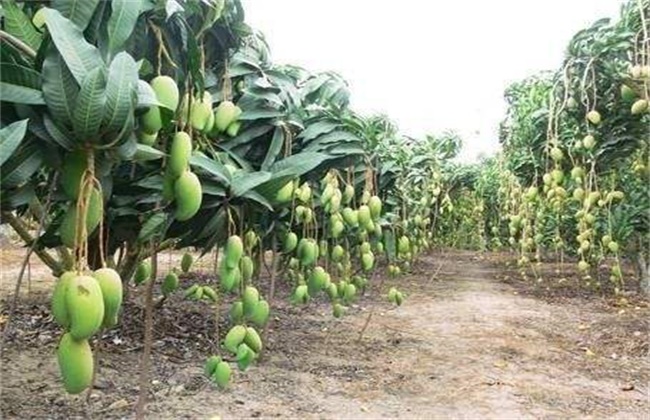
Detailed Explanation of the Reasons and Methods for Root Cutting in Mango Trees
Reasons and Methods for Root Cutting in Mango
-
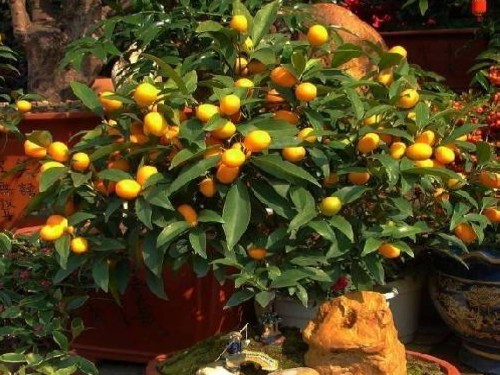
Methods and Tips for the Care and Management of Bonsai Orange Trees
Bonsai orange trees should be placed outdoors, with attention to improving ventilation and receiving ample direct sunlight. Keep the potting soil moist; do not let it dry out or cut off watering. Also, do not let the potting soil become waterlogged due to compaction or poor drainage. Potted orange trees should be deliberately cultivated to bear more autumn fruit for enjoyment during the Spring Festival.
-
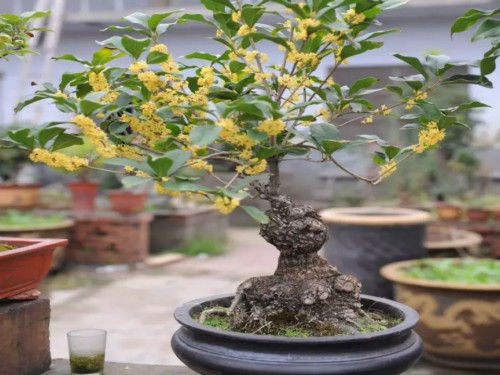
Reasons Why Potted Osmanthus Trees Do Not Bloom and Solutions
A gust of wind blew past, and countless osmanthus flowers drifted quietly down at my feet like little golden butterflies. I picked one up and examined it carefully. What a tiny flower! Petals the size of a grain of rice and small stamens make up the delicate little osmanthus. Usually a dozen or so flowers cluster together to form a small flower ball
-
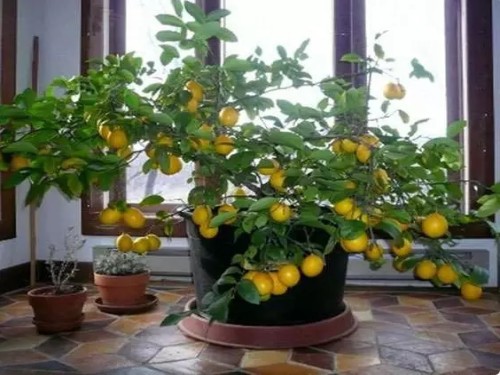
Causes and Solutions for Yellowing Leaves on Potted Lemon Trees
Many fruit seeds can be grown into beautiful potted plants, and lemon is a great choice. Its tart, refreshing taste makes it especially popular with pregnant women. The steps are similar to those for pomelo: let the leftover lemon seeds dry, peel off the outer skin, plant them directly in a flower pot, and wait for them to sprout.
-

Reasons and Solutions for Leaf Drop in Potted Lemon Trees
Growing some plants at home not only beautifies the environment but also brings great joy. Watering the plants every day is a kind of enjoyment. Nowadays many people grow small lemons in pots at home, but lemon trees sometimes run into problems, such as leaf drop. So do you know why potted lemon trees lose their leaves?
-
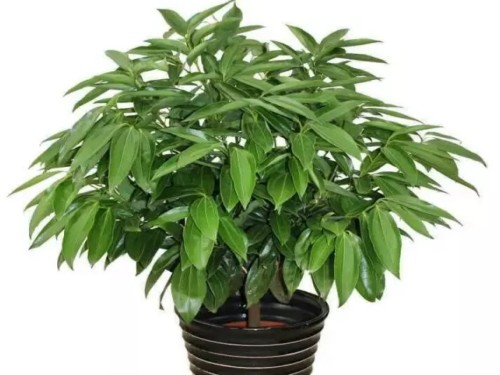
Solutions for drooping, yellowing and falling leaves of potted Ping'an trees
The Ping'an tree, also called Lanyu cinnamon (Cinnamomum kotoense), prefers a warm, humid and sunny environment; it likes light but also tolerates shade, and enjoys warm, hot places with no frost or snow, plenty of fog and high temperatures. It does not tolerate drought, waterlogging, severe cold or dry air. For cultivation, use a loose, fertile, well-drained, organic-rich acidic sandy loam. In its native environment, Phalaenopsis orchids grow abundantly
条件筛选