-
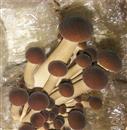
Tea tree mushroom (Agrocybe aegerita) bag-culture planting methods and key technical points
How do you grow tea tree mushroom (Agrocybe aegerita) in bags? Here are the planting methods. For bag-culture planting of tea tree mushroom, you can refer to the following methods: 1. Season selection. The tea tree mushroom has a relatively wide growth temperature range; the mycelium can grow at 8-34°C, but 22-26°C is optimal; the fruiting body differentiation temperature is 13°C-32°C, with 20°C-28°C being most suitable. According to...
-
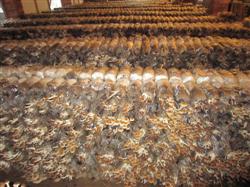
Methods and Key Technical Points for Large-Scale Cultivation of the Tea Tree Mushroom (Agrocybe aegerita)
How is the tea tree mushroom cultivated on a large scale? Please explain the methods. For large-scale cultivation of the tea tree mushroom, you can refer to the following methods: 1. Build mushroom sheds: Whether indoor mushroom rooms or outdoor mushroom houses (or plastic greenhouses) are used, according to the requirements of pollution-free production, the environmental conditions must be optimized, and the soil, water quality, and water sources must be free of pollution. For intensive...
-
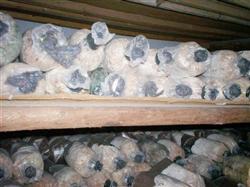
Key Management Techniques for the Incubation Period and Fruiting Period of Tea Tree Mushroom
How should the incubation period and fruiting period of Tea Tree Mushroom be managed? Please provide an introduction. For the management of the incubation period and fruiting period of Tea Tree Mushroom, the following methods can be referenced: 1. Incubation period management. After inoculation, the cultivation bags should be promptly moved into the incubation room for mycelial colonization management. The incubation room should be ventilated, dry, and light-proof. Before placing the cultivation bags, the space should be disinfected once...
-
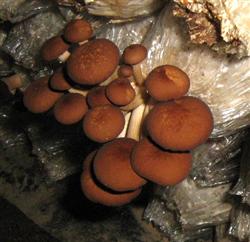
Detailed Explanation of Key Technical Points for Cultivation and Management of Tea Tree Mushroom
How to cultivate and manage Tea Tree Mushroom? Please introduce. Agrocybe aegerita, also known as poplar mushroom, columnar Agrocybe, willow pine mushroom, willow ring fungus, etc., is one of the newly developed edible mushroom varieties in recent years. The fruiting bodies of Agrocybe aegerita are delicious and fragrant, with a crisp and tender texture, and are rich in protein. It is one of the most popular edible mushrooms in Europe and Southeast Asia...
-
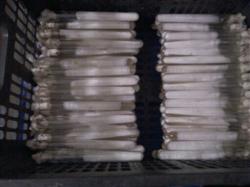
Detailed Explanation of Liquid Spawn Cultivation Methods for Tea Tree Mushroom
How to cultivate Tea Tree Mushroom with liquid spawn? Please introduce. You can refer to the following methods for cultivating Tea Tree Mushroom with liquid spawn: 1. Seasonal arrangement. The optimum temperature for the mycelial growth of Tea Tree Mushroom is 22-26°C, and 18-25°C is suitable for fruiting body growth. Due to the relatively long cycle of traditional cultivation methods, at most two seasons can be done in a year, namely spring...
-
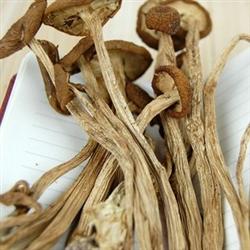
Corn intercropping with tea tree mushroom: planting methods and technical key points
How to intercrop tea tree mushroom with corn? Please refer to the following methods for corn intercropping with tea tree mushroom: 1. Choose a plot with flat land, sheltered from the wind and facing the sun, with convenient water sources, suitable for intercropping in a corn field. 2. Cultivation season. Meet the requirements for tea tree mushroom mycelium growth temperature of 10°C-35°C, optimum temperature 22°C-27°C; fruiting...
-
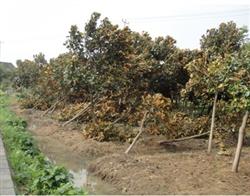
What causes southern magnolia trees to topple over?
Why do southern magnolia trees topple over? What methods can prevent it? Please give guidance. The southern magnolia tree is an excellent urban street tree, with pure white and large flowers, a tall and straight trunk, a beautiful crown, dark green leaves, and a strong ability to resist pollution and absorb dust. But nothing excellent is ever without its shortcomings, and the southern magnolia tree's poor resistance to toppling is one of its weaknesses...
-
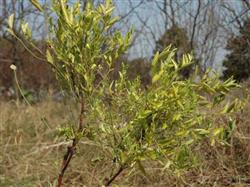
What is jujube root crown gall? Introduction to common diseases in jujube tree management
What is jujube root crown gall? What causes it? How should it be prevented and controlled? Please give an introduction. Jujube root crown gall is a bacterial disease that occurs in jujube-growing areas in the north. After the roots are affected, above-ground growth is slow and the plant is stunted; in severe cases the leaves turn yellow and drop early, and the branches and shoots weaken or even die, but it rarely causes the whole...
-
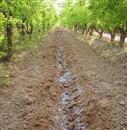
How should jujube trees be managed to increase yield?
How to increase the yield of jujube trees? How to improve the quality of jujube trees? Please introduce the methods. To increase both yield and quality when growing jujube trees, you can refer to the following management methods: 1. Apply sufficient organic fertilizer and phosphorus-potassium fertilizer. Many years of practice have proven that producing 100 kg of fresh jujubes requires 1 kg of pure nitrogen, 2 kg of phosphorus pentoxide, and 1...
-
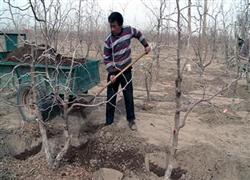
How to fertilize jujube trees for the best results? Jujube tree management tips
How should jujube trees be fertilized? Please explain the methods. In recent years, farmyard manure has greatly decreased, and most jujube growers have not applied organic fertilizer to their jujube trees for many years, applying only inorganic fertilizers such as nitrogen fertilizer and phosphorus fertilizer. This has led to a decrease in soil organic matter, imbalanced soil nutrients, changes in soil aggregate structure, soil compaction, and the inability of jujube tree roots to...
条件筛选