Tea tree mushroom (Agrocybe aegerita) bag-culture planting methods and key technical points
How do you grow tea tree mushroom (Agrocybe aegerita) in bags? Here are the planting methods. For bag-culture planting of tea tree mushroom, you can refer to the following methods: 1. Season selection. The tea tree mushroom has a relatively wide growth temperature range; the mycelium can grow at 8-34°C, but 22-26°C is optimal; the fruiting body differentiation temperature is 13°C-32°C, with 20°C-28°C being most suitable. According to...
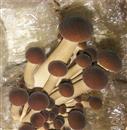
How do you grow tea tree mushroom (Agrocybe aegerita) in bags? Here are the planting methods.
For bag-culture planting of tea tree mushroom, you can refer to the following methods:
1. Season selection. The tea tree mushroom has a relatively wide growth temperature range; the mycelium can grow at 8-34°C, but 22-26°C is optimal; the fruiting body differentiation temperature is 13°C-32°C, with 20°C-28°C being most suitable. Based on the temperature characteristics of the tea tree mushroom, it can be cultivated in spring and autumn in northern regions, and can be cultivated year-round in southern provinces and regions. However, you must get the "two levers" right: first, within 40-50 days after inoculation, the local temperature must not exceed 32°C; second, counting 60 days forward from the inoculation date, when entering the fruiting period, the local temperature must not exceed 30°C and must not be lower than 15°C.
2. Cultivation method. Use bag-culture indoor shelf cultivation, or it can also be interplanted in wild shiitake mushroom sheds during the summer fallow period. Opening the bags to increase oxygen promotes fruiting flushes and raises the fruiting rate; this is currently a new technique for cultivating tea tree mushroom.
3. Culture medium formula. Broadleaf tree sawdust and cottonseed hulls, etc., can all be used as culture material. Biological characteristics show that tea tree mushroom growth requires abundant nitrogen sources; therefore, a certain amount of wheat bran and cornmeal needs to be added to the culture material.
4. Formula ratios. Sawdust culture medium (sawdust 73%, cottonseed hulls 10%, wheat bran 15%, lime powder 2%), cottonseed hull culture medium (cottonseed hulls 73%, sawdust 10%, bran 10%, lime powder 2%).
5. Mushroom bag production. Use 15 cm x 30 cm polyethylene plastic bags. Mix the culture material evenly and adjust the moisture content to about 60%. Fill each bag with 250-300 g of dry material (500-600 g wet weight). Neck rings are not necessary for the bag openings; simply fold the bag opening downward, or tie the bag opening securely with tying string. Sterilize under normal pressure, reaching a temperature of 100°C and maintaining it for about 15 hours.
6. Fruiting management. After inoculation, place at 20-28°C and cultivate for 40-60 days. After the mycelium has fully colonized the bag, the surface of the material gradually secretes yellow liquid and brown patches begin to appear. At this point, move them into the mushroom house, open the bags, and increase the mushroom house temperature. Primordia appear after about 15 days. Spray water once in the morning and evening in the space, maintain relative humidity at about 85%, and strengthen ventilation and scattered light to promote vigorous growth of the fruiting bodies, deepen their color, and increase the marketable rate.
7. Pest and disease control. Select mushroom spawn with vigorous mycelial growth to improve its own stress resistance; before the mushroom bags enter the shed, remove the parts contaminated by competing fungi and fruit them separately to prevent cross-contamination; the mushroom shed must undergo strict and thorough disinfection treatment; during fruiting management, strive to create environmental conditions suitable for mushroom body growth, maintain the growth advantage of the fruiting bodies, and enhance their own immunity; during the fruiting period, do not use toxic pesticides, so as not to affect food safety.
8. Harvesting and processing. The fruiting bodies of tea tree mushroom fall off easily, and the flushes are not obvious. Harvest at the right time, and do not let them become overmature, so as not to affect quality. Maturity is judged by the standard that the veil has not broken. After harvesting, light and temperature management still need to be strengthened to promote the regeneration of a second flush of mushrooms.
Click to get more tea tree mushroom cultivation techniques
Click to get more edible mushroom cultivation techniques