-
What is papaya blight? A detailed guide to diseases in papaya tree cultivation
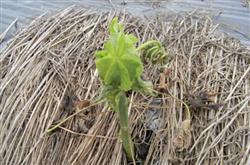
What is papaya blight? How can papaya blight be prevented and controlled effectively? Please provide guidance on methods. The harm caused by papaya blight: papaya blight is commonly known as "water wound"; the pathogen is Phytophthora parasitica, which mainly damages papaya fruit and also damages the root system; it is prone to occur under high temperature and high humidity, especially after rain, and the pathogen can spread through airflow, rainwater, irrigation water, etc...
-
Papaya Tree Cultivation: What Is Papaya Mosaic Virus Disease?
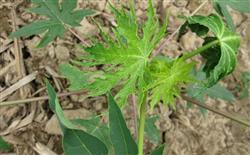
What is papaya mosaic virus disease? What are the control methods for papaya mosaic virus disease? Please provide guidance. Papaya mosaic virus disease damage: Papaya mosaic virus disease is a devastating disease that has commonly occurred in papaya production areas in recent years. Once the plant is planted, it will develop the disease, with mottled yellow flower spots appearing on the leaves, and new leaves densely...
-
Chestnut Tree Cultivation Techniques: How to Manage After Harvest?
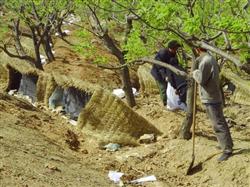
How to manage chestnut trees after harvest? What are some good chestnut tree management methods? Please introduce them. Chestnut trees are generally harvested in September-October, and management needs to be strengthened according to the physiological characteristics of the chestnut tree to ensure the total yield and quality of the coming year. For detailed methods, refer to the following: 1. Fertilization of chestnut trees...
-
How are chestnuts harvested in chestnut tree cultivation?
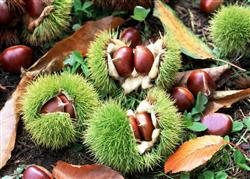
How are chestnuts harvested? When is the best time to harvest chestnuts? What are the main harvesting methods? Please note that chestnuts generally mature in September-October, and there are generally three harvesting methods for reference: Chestnut harvesting: the chestnut burr beating method. The method of directly knocking chestnut burrs off the tree with a bamboo pole is called the chestnut burr beating method. The chestnut burr beating...
-
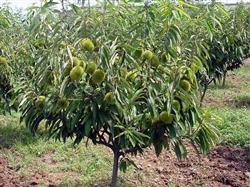
How to prune chestnut trees in winter? Detailed pruning methods
How do you prune chestnut trees in winter? How should chestnut trees be pruned in winter? What methods are best for pruning? Please explain the methods. When growing chestnut trees, pruning is needed in winter. The best pruning time for chestnut trees is from half a month after leaf fall to half a month before spring bud break. For detailed methods, refer to the following list: Chestnut...
-
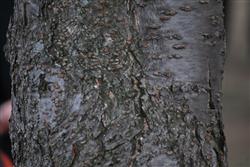
What are the reasons for cherry tree bark splitting?
Why does cherry tree bark split? Please explain that when cherry trees have sufficient fertilizer or water, there are cases of bark splitting due to overly rapid growth. In this regard, the nursery applied urea in spring, which may have had a relatively obvious promoting effect on plant growth, causing its xylem to incre...
-
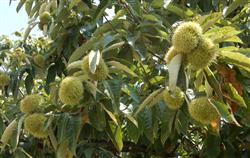
Why do chestnut trees need fertilizer before and after harvest?
Why do chestnut trees need fertilizer before and after harvest? Can you explain why? Chestnut trees need fertilizer before and after harvest because chestnuts have a long fruiting period and bear a large crop, consuming many nutrients. Around the time the fruit ripens, the tree's vigor is already in a starved or semi-starved state, very weak, which is unfavorable for flowering and fruiting the following year. If...
-
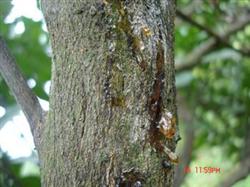
What to do about gummosis on navel orange trees? Analysis of control methods
What to do about gummosis on navel orange trees? What causes gummosis on navel orange trees? Please advise. After navel orange trees enter June, temperatures rise, rainfall is plentiful, and with high temperature and high humidity, various pests and diseases begin to occur in large numbers. Gummosis is a fungal disease caused by Phytophthora, mainly damaging the trunk, followed by large branches, weakening the tree...
-
Navel Orange Cultivation Techniques: How Should Navel Orange Trees Be Pruned?
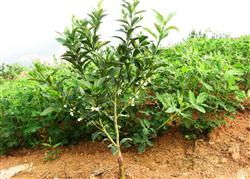
How should navel orange trees be pruned? Here is an introduction to the methods. When planting navel oranges, you can refer to the following pruning methods: 1. Pruning methods for young navel orange trees: Focus on developing the canopy, and prune lightly, avoiding excessive thinning and heavy heading back. On the basis of trunk determination of the nursery stock, cultivate the main branches in the 1st and 2nd years, and select and retain...
-
How do you control pests and diseases in sweet cherry trees at each stage?
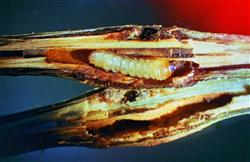
How do you control pests and diseases in sweet cherry trees at each stage? Please explain the methods for preventing diseases and pests at each stage of sweet cherry. The main pests and diseases of sweet cherry include white peach scale, green plant bug, leafminer, shot hole disease, leaf spot disease, crown gall, and gummosis. The following introduces the pest and disease control methods for each stage of sweet cherry for reference: 1. Cherry...
条件筛选