Navel Orange Cultivation Techniques: How Should Navel Orange Trees Be Pruned?
How should navel orange trees be pruned? Here is an introduction to the methods. When planting navel oranges, you can refer to the following pruning methods: 1. Pruning methods for young navel orange trees: Focus on developing the canopy, and prune lightly, avoiding excessive thinning and heavy heading back. On the basis of trunk determination of the nursery stock, cultivate the main branches in the 1st and 2nd years, and select and retain...
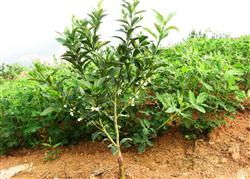 How should navel orange trees be pruned? Here is an introduction to the methods
When planting navel oranges, you can refer to the following methods for pruning:
I. Pruning methods for young navel orange trees:
Focus on developing the canopy, and prune lightly, avoiding excessive thinning and heavy heading back.
On the basis of trunk determination of the nursery stock, cultivate the main branches in the 1st and 2nd years, and select and retain secondary main branches and side branches; in the 3rd year, cultivate the extension shoots of the main branches and secondary main branches, and lay out side branch groups reasonably. Properly thin out overly dense shoots; inner canopy shoots and weaker shoots in the middle and lower parts of the canopy should generally be retained. Remove all late autumn shoots that emerge after September 10.
II. Pruning methods for navel orange trees at the initial fruiting stage:
Continue to cultivate and expand the canopy, select and head back the extension shoots of the scaffold branches at all levels, and allow a moderate amount of fruiting. Rejuvenate or head back the fruiting branch groups after fruiting. For overly long vegetative shoots, leave 15-25 cm and pinch off the tips.
Before each flush of new shoots, remove early scattered sprouting buds to achieve uniform shoot growth.
The last autumn flush should be brought out uniformly in mid to late August; remove all late autumn shoots that emerge after September 10. Light pruning should be the main approach, avoiding excessive thinning and heavy heading back. Properly thin out overly dense shoots, and remove from the base the water sprouts and upright shoots that disrupt the tree shape. Pay attention to using water sprouts by bending branches and heading back to fill gaps in the canopy.
III. Pruning methods for navel orange trees at the full fruiting stage:
Maintain a relative balance between growth and fruiting. Tree height is generally controlled below 3 m, the thickness of the green leaf layer is about 1 m, and the canopy coverage rate is 75%-85%. Timely rejuvenate fruiting branch groups, branch groups that dropped flowers and fruit, and declining branch groups.
Remove dead branches and diseased and pest-infested branches, and thin out clustered branches. For trees with too many scaffold branches and severe canopy closure, use the large-branch pruning method to remove from the base the overly dense or improperly positioned large branches, maintaining ventilation and light penetration.
For trees with many flowers, focus on thinning out flowering branches and weak slender branches; for the previous year's autumn shoots used as fruiting mother branches, cut back to the base to promote new shoots, combining thinning with heading back. For vigorous trees with few flowers, prune lightly, removing only some upright vegetative shoots to favor fruiting.
Click to get more navel orange cultivation techniques
Click to get more fruit cultivation techniques