-
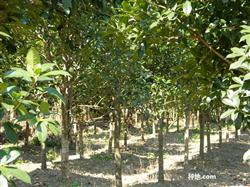
Common Diseases and Control Methods for Osmanthus Tree Cultivation in Guangxi
What diseases should be prevented in osmanthus tree cultivation in Guangxi? What methods can be used to control them? Osmanthus is an excellent landscape tree species that combines greening, beautification and fragrance, with both ornamental and practical value. It is also a traditional evergreen aromatic plant in China, widely cultivated in many regions. But in recent years, the damage caused by osmanthus pests and diseases has increased, leading to...
-
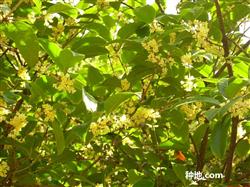
How to grow an osmanthus tree so it blooms? A complete guide to flower-promoting methods
How do you get an osmanthus tree to bloom? What methods are effective when osmanthus does not bloom. The reasons are excess nitrogen fertilizer, insufficient phosphorus and potassium fertilizer and a lack of trace elements; second, insufficient light; third, improper pruning and shaping. The above are also common problems of potted osmanthus in the north. At present it is exactly the stage of flower bud formation, so phosphorus and potassium should be applied immediately...
-
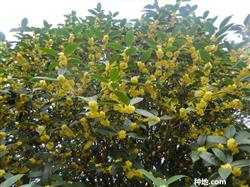
What methods are there to make osmanthus trees bloom more?
What methods can make osmanthus trees bloom more? Please give guidance on the methods. In addition to applying more phosphorus and potassium fertilizer appropriately throughout the entire growth period, moving the plant indoors to overwinter above 0°C in late autumn, and keeping the potting soil slightly moist, to encourage more blooming and fragrant flowers, the following four points should also be handled well. Choose slightly acidic soil for cultivation...
-
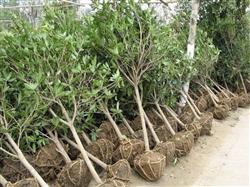
How to Grow Osmanthus Trees So They Thrive
The osmanthus tree is an evergreen tree of the genus Osmanthus in the family Oleaceae, also known as muxi, yangui, jinsu, jiulixiang and so on. It originated in the southwestern and central-southern regions of China and has a cultivation history of more than 2,500 years. It is one of China's ten traditional famous flowers. It has a graceful tree form, lush branches and leaves, verdant green foliage, stays evergreen through all four seasons, and its flowers are enchantingly fragrant. It is now widely cultivated...
-
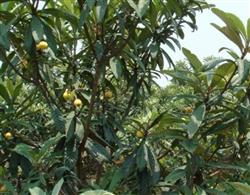
What are the management methods for loquat trees in June and July?
How should loquat trees be managed in June and July? Please advise. The main points for managing loquat trees in June and July are as follows: 1. Continue harvesting and selling the fruit. 2. Apply a heavy post-harvest fertilizer promptly after harvest. Apply it 5-10 days after harvest to replenish the tree's nutrients and promote flower bud differentiation and the sprouting and growth of summer shoots. The N, P, K ratio is generally 3:2:2 with quick-acting fertilizer and high-quality organic fertilizer, generally accounting for 30%; for trees with a heavy crop or weak vigor, more can be applied, accounting for 40-50% of the annual total. 100 jin of decomposed human and animal manure + 1.5 jin of potassium sulfate + 2 jin of calcium-magnesium phosphate fertilizer.
-
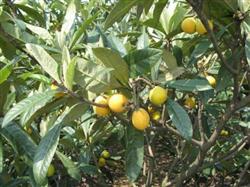
What are the key points of summer management techniques for loquat trees?
What management does a loquat tree need in summer? Please provide guidance. The main aspects of summer loquat tree management are as follows: 1. Clear the ditches: loquat roots are shallow and intolerant of waterlogging, so after the recent continuous rainfall, drainage ditches should be cleared in time. 2. Fertilization: it is best done within 7-10 days before harvest, with the amount accounting for...
-
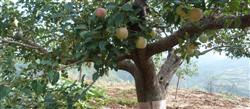
What are the key technical points for summer management of apple trees
How should apple trees be managed in summer? Please explain the methods. In summer, apple trees can be managed by referring to the following methods: 1. Disease and pest prevention. Entering summer, with high temperatures and high humidity, various pathogens and pests are most likely to breed and multiply, so doing a good job of disease and pest prevention is particularly important. Its preventive measures include: comprehensive chemical control, manual prevention...
-
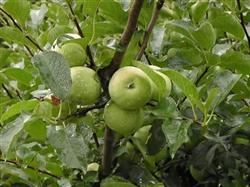
What are the main summer management measures for apple trees?
What are the main management tasks for apple trees in summer? Please guide. The main summer management tasks for apple trees include the following: 1. Fertilizer management. To meet the nutrient needs of apple trees in summer, topdressing should be done in time. Generally, in hot and rainy seasons, fertilizer should be applied in small amounts but multiple times. In summer, topdressing is also needed in the late stage of fruit growth. For young fruit trees, apply Dimijia fertilizer 0.2-0.5 kg per tree; for trees in full fruit stage, apply Dimijia fertilizer 1-1.5 kg per tree.
-
Apple Tree Summer Pruning Methods and Technical Key Points
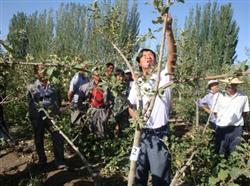
How to prune apple trees in summer? Methods explained. Summer pruning, also called growing-season pruning, is one of the important parts of the year-round pruning of apple trees and holds a rather important position in the annual pruning of fruit trees. Its main pruning methods include ringing, girdling, shoot twisting, pinching, branch bending, branch thinning, and autumn heading cuts, etc. But if...
-
What are the methods for controlling summer mites on apple trees?
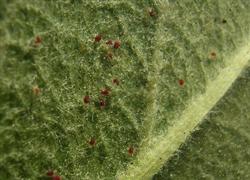
How to control mites on apple trees in summer? Please learn about the damage caused by summer mites on apple trees: I. Damage symptoms 1. Hawthorn spider mite. Also known as the hawthorn red spider, it mainly damages the leaves, tender buds and young fruit of apple trees. When leaves are damaged, the red spiders gather on the underside of the leaves, spin silk and form webs, with fine soil particles and eggs sticking to the webs, and many pale white spots appear on the upper surface of the leaves. When the damage is severe, rust-colored symptoms appear on the underside of the leaves, followed by dehydration and hardening, and the whole leaf turns yellow-brown and scorched, resembling being burned by fire. In severely affected orchards, most leaves may drop between June and July, causing a second round of flowering and budding, and severely damaged buds cannot continue to grow and die.
条件筛选