-
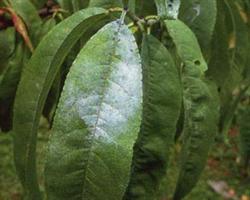
Peach Tree Powdery Mildew: Control Methods and Key Technical Points
Control methods for peach tree powdery mildew: 1. After leaf fall, remove diseased leaves to reduce the source of infection. 2. Spray fungicides for protection during the growing season: in the early stage of the disease, spray 0.2 to 0.3 degrees Baume lime sulfur mixture, or a 2000 to 3000 times dilution of 15% wettable powder triadimefon, or a 1500 to 2000 times dilution of thiophanate-methyl. 3. Improve ventilation and light penetration...
-
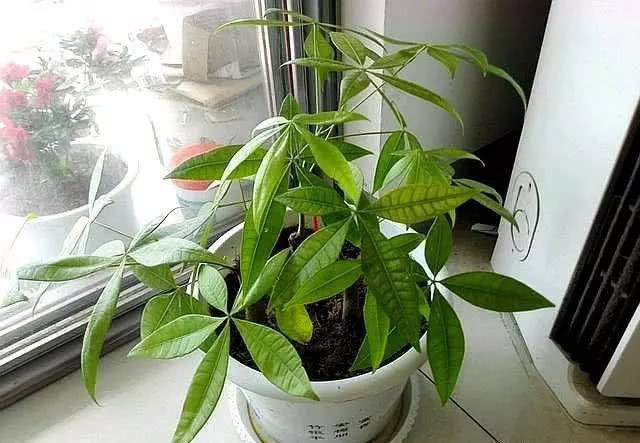
Yellow leaves on a money tree: use ferrous sulfate properly, misuse causes great harm
Can a money tree use ferrous sulfate? What should you pay attention to? First we need to know that the money tree is also a southern flower, and it also likes acidic soil. If grown in the south, the chance of it lacking ferrous sulfate is a bit smaller...
-
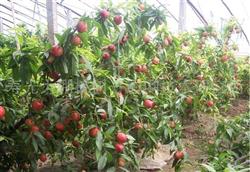
Peach Tree Pest and Disease Control Methods and Technical Key Points
1. Note that peach trees are chlorine-sensitive crops. Applying chlorine-containing fertilizer easily causes root rot and yellowing leaves; in mild cases the tree vigor weakens, and in severe cases the plant dies. Therefore, do not apply chlorine-containing fertilizers. 2. Be careful about watering during the flowering period. Watering during flowering can easily lower soil temperature and reduce soil air content, affecting root growth and absorption, leading to...
-
What measures are there for supplementary pollination of peach trees
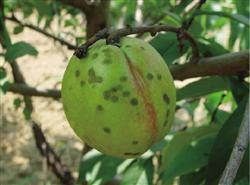
Peach scab, also known as black spot, is one of the common diseases of peach trees. When a peach tree is affected, black spots appear on the surface of the diseased fruit and cracking may even occur, seriously affecting its commercial value. 1. Symptoms of damage: It mainly damages the fruit, followed by the branches and leaves. When the fruit is affected, small brown round spots first appear, and then gradually...
-
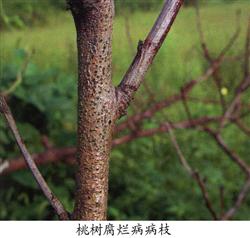
Efficient management techniques for peach trees to help achieve high yields
Peach tree rot, also known as dieback disease, causes branches to wither and die after the tree is affected, forming canker lesions on large branches and the trunk. If not treated in time, it quickly causes the entire tree to die. The main causes of this disease are: frost damage and extensive management; improper fertilization and years with abundant autumn rain, which delay the peach tree's dormancy and reduce the tree's cold resistance. It has...
-
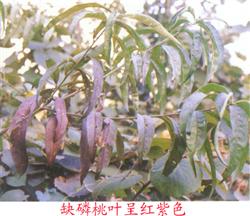
What Are the Symptoms of Phosphorus Deficiency in Peach Trees? Detailed Guide to Prevention and Control Methods
I. The Role of Phosphorus in the Growth and Development of Peach Trees Phosphorus has two roles in the growth and development of peach trees. On one hand, it can strengthen tree vigor, maintain healthy tree growth, promote flower formation, lead to earlier fruiting, promote the maturation of fruit and seeds, increase sugar content, and improve fruit quality. On the other hand, it can enhance the peach tree's adaptability to the external environment...
-
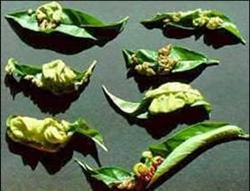
Technical Guidance on Early Spring Pest and Disease Control for Peach Trees
Peach leaf curl mainly damages leaves, but can also harm young shoots and young fruit. It generally occurs from April to May and happens only once a year. When fruit is affected, it turns red, the diseased part swells, the fuzz falls off, and the surface becomes smooth. For agricultural control, select high-yield, high-quality, disease-resistant varieties. In peach orchards that have entered the fruiting stage, manage the soil and fertilizer well...
-
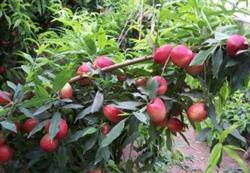
What are the pollution-free cultivation and management techniques for fresh-eating peach trees?
Pollution-free means that under specific conditions, the production environment, production techniques and product quality meet the requirements of the relevant national standards and regulations; the production environment quality meets the requirements of GB/T18407.2-2001; the production regulations of NY/T5114-2002 are implemented; during production, limited amounts of restricted chemical fertilizers, pesticides and other synthetic substances are permitted; and product quality...
-
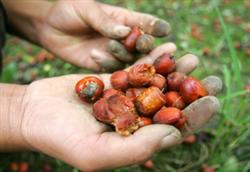
Detailed Explanation of Key Techniques for Renewal and Rejuvenation of Old Jujube Trees
Bending branches to open the angle. For relatively upright branches, bending can change their direction, disperse growth polarity, slow down the momentum of vegetative growth, and enhance ventilation and light penetration in the canopy. Removing sprouts and pinching tips. For newly sprouted useless jujube heads, when there is no space for development, they can be wiped off from the base, leaving only 2-3 jujube bearing shoots at the base. ...
-
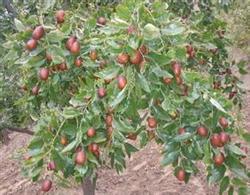
What are the key technical points for skillful fertilization of jujube trees to promote high yields?
Only through scientific and rational fertilization can jujube trees be strengthened, their resistance to pests and diseases improved, quality enhanced, and yields increased. Fertilization of jujube trees is divided into base fertilizer and topdressing. The scientifically appropriate time for applying base fertilizer is from the jujube fruit ripening stage until the soil thaws the following year, while topdressing is carried out in three applications: before bud break, at the early full-bloom stage, and during the rapid fruit swelling stage...
条件筛选