-
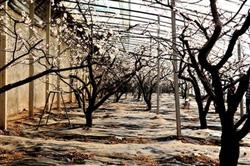
Ten management practices for protected cultivation of apricot trees
Because large flat apricot trees are cold-resistant and drought-resistant, they are mostly planted on poor, barren slopes, and because their root systems are strong and spread throughout the orchard, plowing and turning the soil is difficult. In addition, the land preparation standard at planting time is not high, which often leads to soil compaction, poor permeability, easy occurrence of soil-borne diseases (such as root rot), difficult fertilization, and laborious intertillage, ...
-
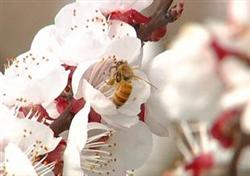
Technical key points for timely and proper pollination of apricot trees
Why do apricot trees often bloom profusely but rarely bear apricots? The main reason is poor pollination. To improve the fruit set rate of apricot blossoms, preparations must be made in advance and apricot blossom pollination must be done promptly, carefully and meticulously. For the main cultivars of apricot trees, choose varieties with natural pollination ability, a low rate of abortive flowers and a high natural pollination fruit set rate...
-
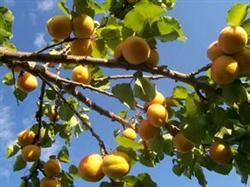
What to do about low fruit set in apricot trees? Reasonable fertilization is key
"Yunda Quanshuguo" is a new special growth promoter that balances the shift from vegetative growth to reproductive growth in fruit trees and fruit vegetables (such as tomatoes, eggplants, cucurbits, etc.). Its main features are: ① No phytotoxicity symptoms, leaving no residue of any kind in the fruit, achieving pollution-free status and making it a green, trusted product. ② Fast flower promotion, able to quickly...
-
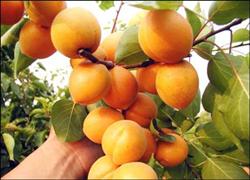
How to increase the fruit set rate of apricot trees? Master these technical measures
1. Choose superior varieties. Choosing varieties with a high percentage of perfect flowers, strong self-fruitfulness, frost resistance, a later blooming period, and early bearing and high yield as the main planted varieties is the key to increasing the fruit set rate. For example, Jintaiyang, Kate apricot, etc. In addition, varieties with early, mid, and late ripening can also be chosen in combination to reduce losses caused by early spring frost...
-
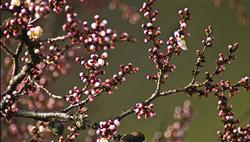
Detailed Explanation of Key Technical Points for Flower and Fruit Management of Apricot Trees
I. Artificial Pollination Apricot trees rely on bees and others for pollination. But experience shows that carrying out artificial supplementary pollination can increase the fruit-setting rate by 3-4 times compared with natural pollination. Artificial supplementary pollination should be carried out during full bloom, because the apricot flowering period is very short (5-7 days), so preparations should be made in advance. Apricot flower stalks are fragile and break easily, so extra care should be taken during pollination...
-
1700-year-old ancient tree still felled despite electric fencing; villagers' efforts to protect it are no easy task
Ancient tea trees over a thousand years old are rare anywhere in the world, but some lawbreakers want to take these trees for themselves. Now, to protect these thousand-year-old ancient tea trees, the state has spent huge sums and manpower to protect them. These ancient...
-
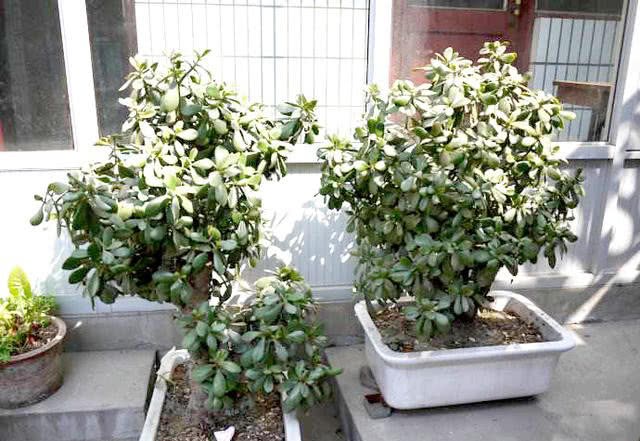
Succulent Leaf Cutting Grows into a Big Tree in Seven Years, Everyone Who Sees It Wants to Buy It at a High Price
(This material comes from the internet. If there is any infringement, please contact the author as soon as possible for timely deletion.) Pick a succulent leaf and throw it in a pot, and seven years later it grows into a big tree. Everyone who sees it wants to buy it at a high price. Succulents have very strong propagation ability, and some succulents are very easy...
-
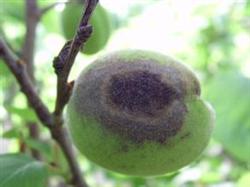
Post-harvest management of apricot trees must keep pace; these key points are essential
Symptoms Apricot brown rot has two symptom types. One affects nearly ripe fruit, initially forming dark brown, slightly sunken round lesions, which then rapidly expand, soften and rot, covered with yellowish-brown velvety granules, arranged in whorls or irregularly; affected fruit mostly drops early or rots, with a few hanging on the tree to form mummified fruit. The other affects fruit...
-
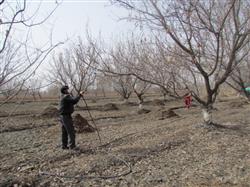
Winter Pruning Methods and Technical Key Points for Apricot Trees
Spring Management of Apricot Trees As the saying goes, "apricot trees fail nine years out of ten." Besides the low fruit-setting rate, the main reason is that apricot trees' ability to withstand low temperatures during bud break and blooming is greatly reduced. When temperatures fall below -3.9 at the bud stage, below -2.2 at the blooming stage, or below -0.6 at the young fruit stage, and the low temperature lasts more than 30 minutes, frost damage is likely to occur. Therefore...
-
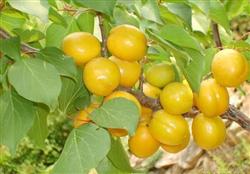
Key Technical Points for Fertilization and Irrigation Management of Apricot Trees
(1) Fertilization: Each year in September to October, after new shoots stop growing, apply sufficient base fertilizer, mainly organic fertilizers such as barnyard manure and chicken manure, combined with a certain amount of quick-acting fertilizer. The amount of fertilizer applied should be determined according to the size of the tree and its growth conditions. Usually, apply 30-50 kg of organic fertilizer per tree, plus about 0.5 kg of compound fertilizer specially formulated for fruit trees. After sprouting...
条件筛选