-
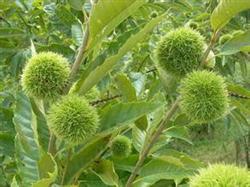
Key Technical Points for Skillfully Applying Boron Fertilizer to Chestnut Trees
According to surveys, in areas where chestnuts grow normally, 15% of the burrs are empty, and in some cases the rate is even as high as over 50%, seriously affecting chestnut growth. Boron deficiency is the main cause of empty chestnut burrs. Applying boron fertilizer can markedly inhibit the formation of empty chestnut burrs and increase yield. In spring, before the chestnuts sprout, apply it in a ring-shaped trench or in holes...
-
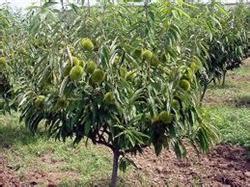
Detailed Explanation of Key Techniques for Early High Yield in Young Chestnut Trees
1 Technical Measures to Promote Female Flower Formation 1) Watering in early spring. The 3 weeks before bud break is the period of female flower morphological differentiation; meeting the tree's water needs makes the fruiting branches thick and strong with many buds, laying the foundation for the next step of female flower bud formation. 2) Foliar topdressing. When the basal leaves have just unfolded and are turning from yellow to green, spray once with a 1000-fold dilution of PP200...
-
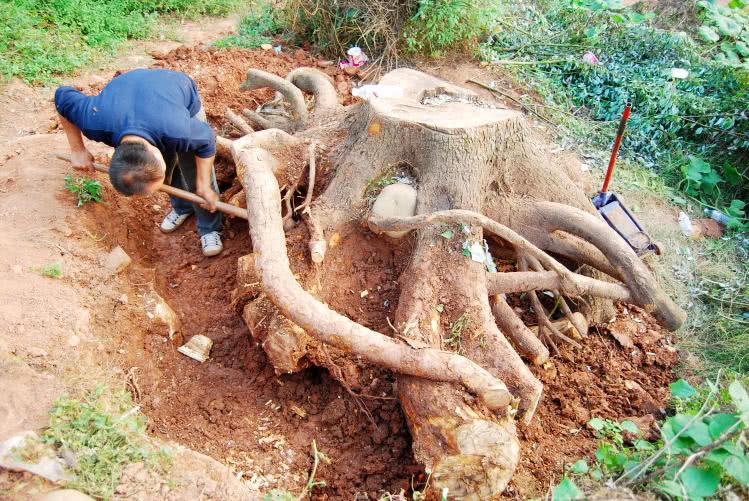
A rare tree stump dug up in the wild, and someone offered 80,000 to buy it as soon as he came down the mountain.
A rare tree stump dug up in the wild, and someone offered 80,000 to buy it as soon as he came down the mountain. Netizens: What kind of tree stump is worth so much money! In rural areas, the one thing there is never a shortage of is all kinds of trees. You could say there are thousands upon thousands of species, and some can't even be named, but some tree species...
-
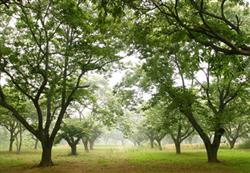
Chestnut trees should be supplemented with zinc and boron fertilizer promptly after harvest
At present, the yield of most chestnut orchards is not high, with only 4-5 kg per tree. Many bearing chestnut trees have burrs but no nuts (that is, empty burrs). The reason, apart from extensive management, is largely related to the failure to apply or spray zinc and boron. Practice has proven that supplementing with soil application and foliar spraying of zinc and boron micro-fertilizers after chestnut harvest promotes flowering, differentiation, improves flower quality, and ensures...
-
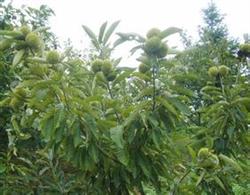
Detailed Explanation of Key Management Techniques for Chestnut Trees After Fruit Harvest
(1) Disease Control 1. Dieback Disease Dieback disease, also known as chestnut blight, chestnut trunk blight, or chestnut bark rot, is a fungal disease. The pathogen mostly invades through wounds, mainly damaging the trunk and branches. It is not easy to detect in the early stages. When lightly scraping the bark with a small knife, small reddish-brown spots can be seen. After the spots merge into patches, the bark surface becomes raised...
-
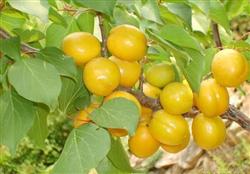
Key Technical Points for Fertilization and Irrigation Management of Apricot Trees
(1) Fertilization: Each year in September to October, after new shoots stop growing, apply sufficient base fertilizer, mainly organic fertilizers such as barnyard manure and chicken manure, combined with a certain amount of quick-acting fertilizer. The amount of fertilizer applied should be determined according to the size of the tree and its growth conditions. Usually, apply 30-50 kg of organic fertilizer per tree, plus about 0.5 kg of compound fertilizer specially formulated for fruit trees. After sprouting...
-
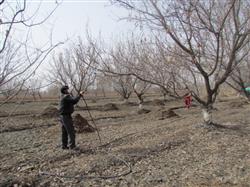
Winter Pruning Methods and Technical Key Points for Apricot Trees
Spring Management of Apricot Trees As the saying goes, "apricot trees fail nine years out of ten." Besides the low fruit-setting rate, the main reason is that apricot trees' ability to withstand low temperatures during bud break and blooming is greatly reduced. When temperatures fall below -3.9 at the bud stage, below -2.2 at the blooming stage, or below -0.6 at the young fruit stage, and the low temperature lasts more than 30 minutes, frost damage is likely to occur. Therefore...
-
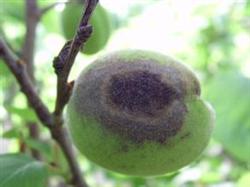
Post-harvest management of apricot trees must keep pace; these key points are essential
Symptoms Apricot brown rot has two symptom types. One affects nearly ripe fruit, initially forming dark brown, slightly sunken round lesions, which then rapidly expand, soften and rot, covered with yellowish-brown velvety granules, arranged in whorls or irregularly; affected fruit mostly drops early or rots, with a few hanging on the tree to form mummified fruit. The other affects fruit...
-
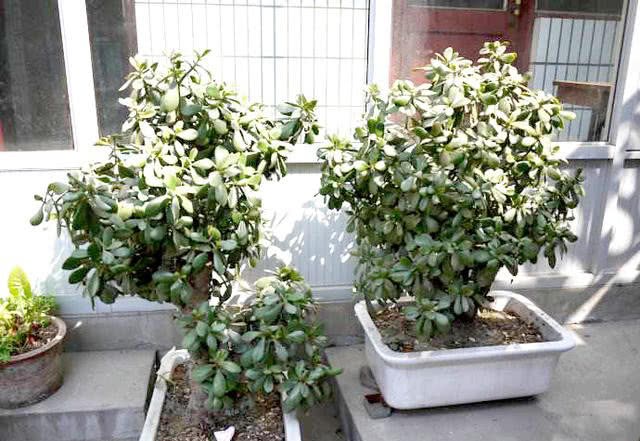
Succulent Leaf Cutting Grows into a Big Tree in Seven Years, Everyone Who Sees It Wants to Buy It at a High Price
(This material comes from the internet. If there is any infringement, please contact the author as soon as possible for timely deletion.) Pick a succulent leaf and throw it in a pot, and seven years later it grows into a big tree. Everyone who sees it wants to buy it at a high price. Succulents have very strong propagation ability, and some succulents are very easy...
-
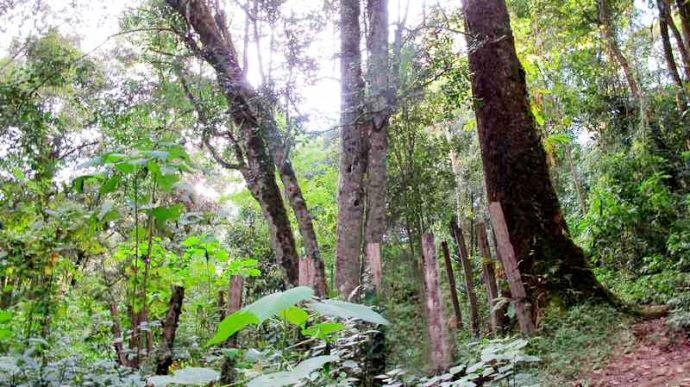
1700-year-old ancient tree still felled despite electric fencing; villagers' efforts to protect it are no easy task
Ancient tea trees over a thousand years old are rare anywhere in the world, but some lawbreakers want to take these trees for themselves. Now, to protect these thousand-year-old ancient tea trees, the state has spent huge sums and manpower to protect them. These ancient...
条件筛选