-
What is Su-style bonsai? A guide to this traditional art
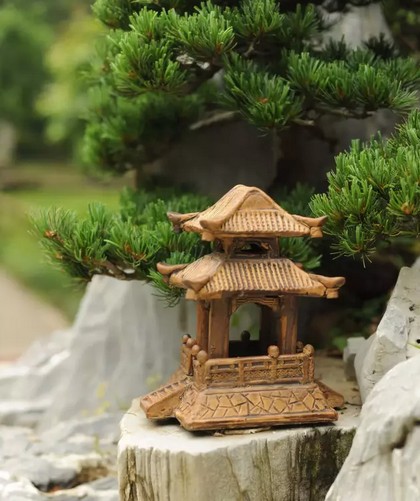
Su-style bonsai is known for its antique elegance and rough simplicity. Gnarled old trunks and branches several decades or even a hundred years old are cultivated in small pots, yet can reach less than a chi in height. The second characteristic of Su-style bonsai is its fine, delicate and subtle craftsmanship, just like the silk-and-bamboo music of Jiangnan, giving people a feeling of elegance, splendor, brightness and smoothness
-
A Detailed Explanation of the Traditional Craftsmanship and Characteristics of Suzhou-Style Penjing
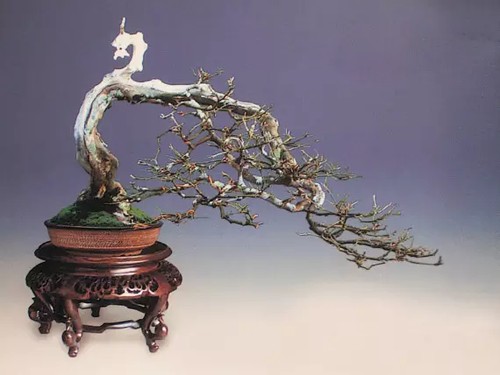
Penjing craftsmanship refers to Suzhou-style penjing craftsmanship, which originated in the Tang Dynasty, flourished in the Ming Dynasty, matured in the Qing Dynasty, and developed in modern and contemporary times. Since the 1980s, Suzhou penjing has won major awards in exhibitions at home and abroad many times. In 2011, it was included in the third batch of the national intangible cultural heritage list.
-
Appreciation of Masterpieces of Suzhou-Style Penjing: Experience the Charm of Traditional Penjing Art
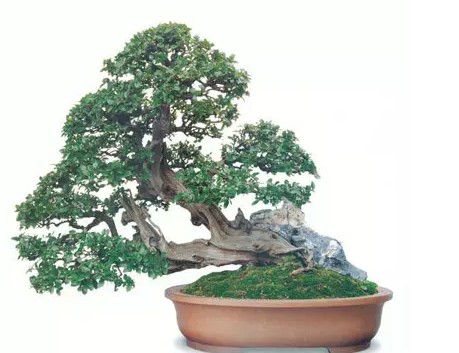
"Ancient Charm Abounds": Species: Chinese sweet plum (Sageretia thea). Height: 57 cm. Age: about 50 years. At first glance it looks like a completely withered old stump, and it has been shaped by human hands, yet it is quaint and natural; the dense canopy of branches and leaves makes it hard to believe that it grew from the back of this dead stump, yet this is an indisputable fact.
-
An Analysis of the Coexistence of Traditional Penjing and Folk-Art Penjing
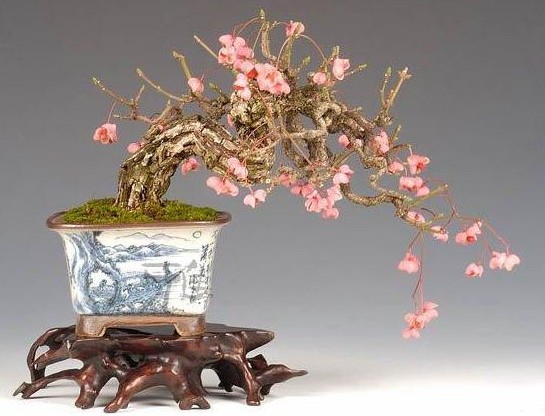
The author of "Record of the Plum Blossom Sanatorium" even called excessively styled plum trunks "diseased plums," removed their bindings, and replanted them to grow anew. Although this was not the author's original intent, it does reveal from one angle that what literati through the ages admired was the "natural-style" penjing rich in cultural flavor and artistic atmosphere. The Ming and Qing dynasties were an era of highly developed penjing in our country.
-
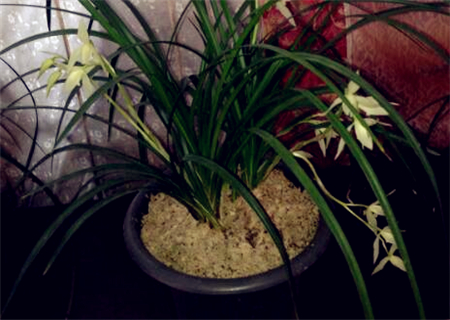
How to grow orchids? Flowering periods of traditional Chinese famous flowers, with bloom times for different varieties
Orchids among China's traditional famous flowers refer only to several species of terrestrial orchids distributed among plants of the genus Cymbidium in China, such as Cymbidium goeringii, Cymbidium faberi, Cymbidium ensifolium, Cymbidium sinense and Cymbidium kanran, which are what is usually meant by "Chinese orchids." So how do you grow orchids? When do they bloom? In which months is the flowering period?
-
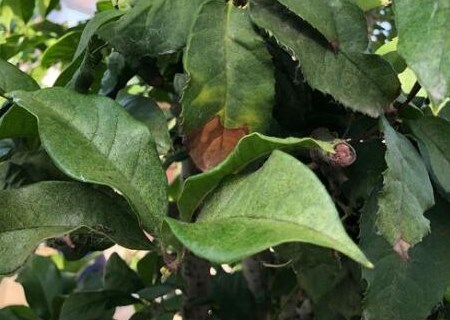
Traditional Famous Flower: What to Do When Osmanthus Leaves Turn Dry and Yellow, Why It Cannot Be Planted at Home, and How to Care for It
Osmanthus is the collective name for many trees in the Chinese genus Osmanthus, also known as rock osmanthus. It is an evergreen shrub or small tree of the Oleaceae family, with a great many horticultural cultivars. So do you know what to do when osmanthus leaves dry up and turn yellow during cultivation? Why can't it be planted at home? How can it grow well? What to Do When Osmanthus Leaves Turn Dry and Yellow
-

Plant factories are overturning traditional agricultural cultivation methods
"Manufacturing" a ray of sunlight for plant factories. No soil, no sunlight, yet the vegetables here are especially green and lush, with yields several times higher than open-field cultivation. The nutrient solution is...
-

A seven-point comparison between precision "immediate use" dental implants and traditional dental implants
Precision "immediate use" dental implants represent a new height in implant dentistry, refining and improving implants in every respect. So then, what about the new generation of...
-
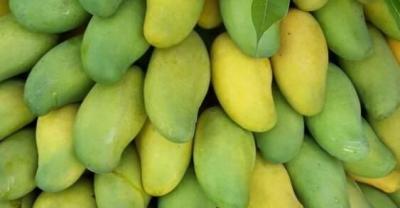
A Detailed Guide to Anoectochilus roxburghii Cultivation Methods and Traditional Chinese Medicinal Herb Growing Techniques
According to the "Compendium of Materia Medica", Anoectochilus roxburghii is neutral in nature and sweet in taste, the whole plant can be used as medicine, and it has the effects of clearing heat and cooling blood, dispelling wind and promoting diuresis, balancing yin and yang, strengthening the constitution and supporting healthy qi, promoting body fluid and nourishing the complexion, ...
-

What are the traditional processing methods for Pu'er tea?
Pu'er tea is made from the fresh leaves of the Yunnan large-leaf tea tree, and has the characteristics of a strong taste, resistance to repeated brewing, and a mellow aroma. To make loose Pu'er tea, the fresh leaves are first subjected to fixation, rolling, and sun-drying to make sun-dried rough tea, and then made into loose Pu'er tea through moderate watering and pile fermentation, sun-drying, and screening. Loose Pu'er tea can be processed by tea farmers themselves. The specific steps and methods are: 1. Fixation. Pot fixation is mostly used. Because large-leaf tea has a high water content, during fixation the combination of covering and tossing must be used so that the fresh leaves lose water evenly, achieving the purpose of thorough and uniform fixation.
条件筛选