A Detailed Guide to Anoectochilus roxburghii Cultivation Methods and Traditional Chinese Medicinal Herb Growing Techniques
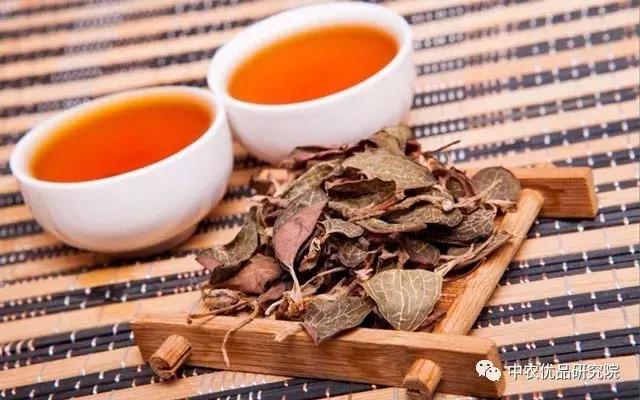
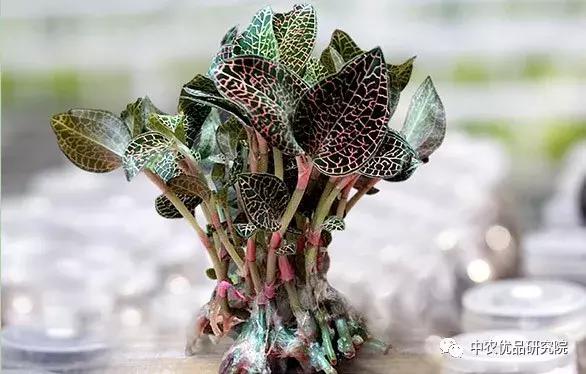
According to the "Compendium of Materia Medica", Anoectochilus roxburghii is neutral in nature and sweet in taste, the whole plant can be used as medicine, and it has effects such as clearing heat and cooling blood, dispelling wind and promoting diuresis, balancing yin and yang, strengthening the constitution and supporting healthy qi, promoting body fluid and nourishing the complexion, regulating qi and blood, and promoting longevity.
Modern scientific identification has found that Anoectochilus roxburghii contains 8 amino acids essential to the human body, with content higher than that of American ginseng and wild ginseng, and its application in forestry farms is extremely wide.
Anoectochilus roxburghii has remarkable health-preserving effects; in daily life it is often consumed as tea or cooked in dishes, and it can effectively regulate the body's qi and blood and improve immunity.
The folk names for Anoectochilus roxburghii better illustrate its value: "King of Medicine", "Golden Grass", "Divine Medicine", "Black Ginseng", and other laudatory titles.
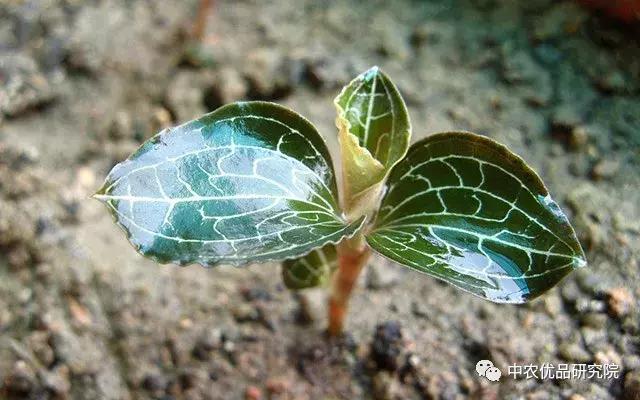
The Current Scarcity of Anoectochilus roxburghii Resources
Precisely because of the wide application value of Anoectochilus roxburghii and because natural growing environments can hardly meet the harsh requirements of this "little golden leaf", nature's gift is nearly exhausted.
In 1990, the Fujian Provincial Government protected Anoectochilus roxburghii as an endangered and precious medicinal plant.
Anoectochilus roxburghii mostly grows in Guangxi, Guizhou, Yunnan and other places, while local production in Fujian is extremely low, yet market demand has been rising year by year, and the already nearly exhausted natural resources are facing a major test.
Cultivation Methods of Anoectochilus roxburghii
Only large-scale, standardized cultivation is the only way to balance the market. Today, Zhongnong Xiaoke will briefly introduce to all introduction growers the cultivation methods for Anoectochilus roxburghii.
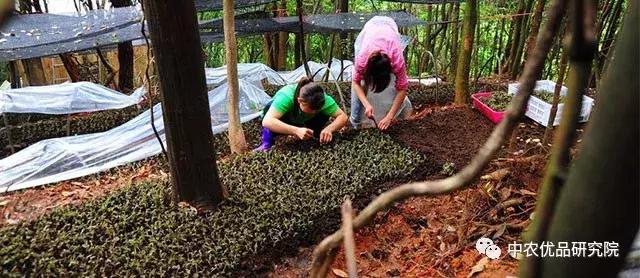
The cultivation method for Anoectochilus roxburghii mastered by our institute is the tissue-cultured seedling cultivation method. First, we must simulate the natural growing environment of Anoectochilus roxburghii and prepare the basic conditions. At present, general cultivation still chooses outdoor greenhouses or indoor planting, and requires an adequate water source to facilitate irrigation.
Models such as pot cultivation or three-dimensional cultivation in square trays make it easy to control the soil quality and can also increase yield per mu.
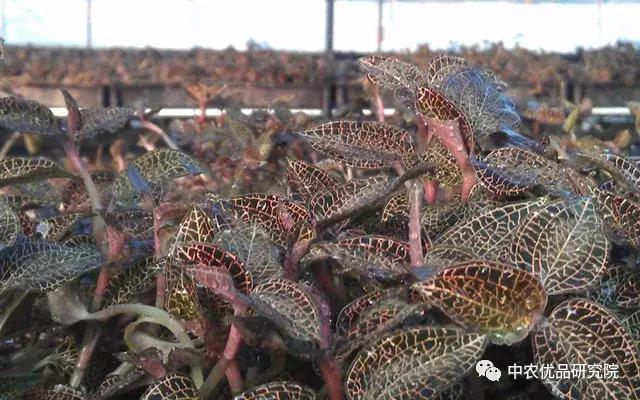
Light control:Light 3000-5000 LUX (double-layer 80% shade net can be used).
Temperature management:20℃~32℃。
Humidity management:Relative humidity 70%.
Land selection:Clean and suitable cultivation media must be used for cultivation, and suitable media have good air permeability and water retention. The planting soil is required to be loose, air-permeable and moist. Red soil and sandy loam soil are mainly used, with loose texture and slightly acidic, suitable for Anoectochilus roxburghii cultivation. Peat soil and perlite are recommended.
Fertilization management:Fertilize once every half month, preferably using farmhouse liquid fertilizer or biogas slurry, diluted to 1000 times.
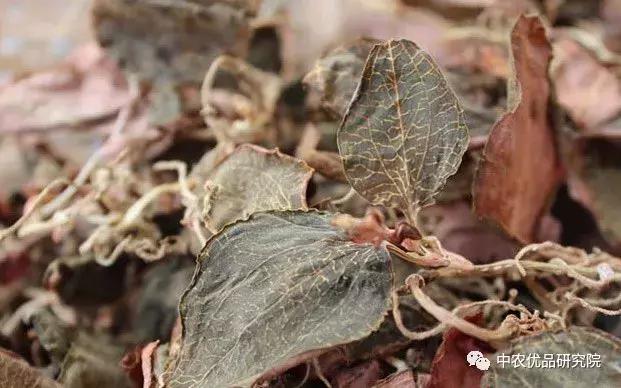
Harvesting:The determination of the appropriate harvest time is closely related to the length of the cultivation period, and it is at least necessary to harvest after 10 months of cultivation out of the bottle (8 months after planting) for it to be more suitable. When the Anoectochilus roxburghii plant height grows to more than 8-10 cm, with 5-6 leaves, and a fresh weight of 4 g per plant, it can be harvested.
Pest and disease control of Anoectochilus roxburghii:
The main pests and diseases of Anoectochilus roxburghii are relatively few. Common pests include snails, slugs, red spiders, cutworms, mole crickets, etc., and manual capture is generally used, or sugar, vinegar, wine and water in a ratio of 3:4:1:2 with a small amount of insecticide added around the greenhouse is used for trapping and killing.
When Anoectochilus roxburghii is in a state of poor long-term ventilation or excessive humidity, it is prone to the following diseases:
1. Damping-off: mainly caused by Fusarium damage. Yellow-brown water-soaked lesions appear at the base of diseased seedlings, quickly encircle the stem in a week, and damping-off occurs. It can be sprayed with 75% chlorothalonil wettable powder at 600 times dilution or 64% oxadixyl-mancozeb wettable powder at 500 times dilution, spraying once every 7 days for 2-3 consecutive sprays.
2. Southern blight: mostly occurs in the plum rain season. At the initial onset, the leaf base is covered with white hyphae, causing root and stem rot. Control method: remove the infected pot soil and sprinkle on quintozene powder or lime. Fundamental control method: pay attention to ventilation and light transmission, and ensure good drainage of the pot soil. Severely diseased plants should be burned.
3. Anthracnose: present all year round, and more rampant in hot and rainy seasons, with Cymbidium ensifolium being especially susceptible. The lesions first extend from the leaf tip toward the root and stem, initially brown, then gradually expand and increase, with many dry black spots appearing, and in severe cases causing the whole plant to die. Control method: in addition to actively improving environmental conditions, during the disease period, first spray with 50% thiophanate-methyl wettable powder at 800-1500 times dilution, once every 7-10 days; then supplement with 1% equal-amount Bordeaux mixture, once every half month, for 3-5 consecutive sprays.
4. Scale insects: commonly known as "orchid lice". Under conditions of high temperature, high humidity and poor air circulation, they reproduce fastest. During the hatching period, spray with 1% omethoate or 1500 times 50% malathion. If there are not many pots, they can also be removed manually by brushing.
That is all Xiaoke will introduce to friends about the cultivation of Anoectochilus roxburghii. For anything not covered, please wait for follow-ups. If medicinal herb growers urgently need detailed information on cultivation techniques, they can contact the technicians of the Zhongnong Research Institute directly or leave a message with the question plus contact information, and Xiaoke will contact a technician for you to answer your questions promptly.