A seven-point comparison between precision "immediate use" dental implants and traditional dental implants
Precision "immediate use" dental implants represent a new height in implant dentistry, refining and improving implants in every respect. So how does the new generation of precision implant technology differ from traditional implant technology?
Let's compare these two types of implant technology across seven aspects, from before surgery to after surgery. Where do their differences lie?
1. Preoperative examination
Traditional dental implants: panoramic X-ray, 2D oral imaging with blind spots in the field of view;
Precision "immediate use" dental implants: a new generation of 360° 3D oral imaging, with no blind spots and comprehensive examination.
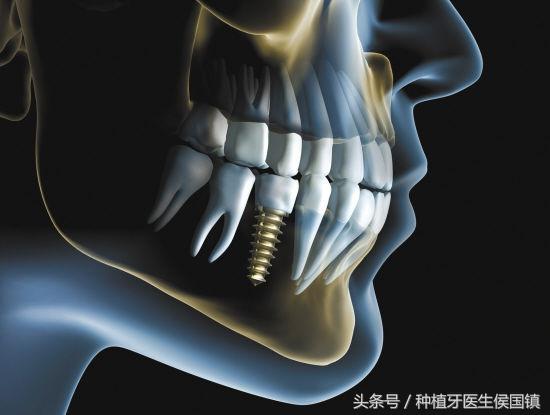
360° 3D oral imaging
2. Treatment plan design
Traditional dental implants: 2D oral imaging + the doctor's experience;
Precision "immediate use" dental implants: CAD\CAM precision design of speed, depth and angle, with personalized treatment planning.
3. Degree of trauma
Traditional dental implants: implantation based on the doctor's experience, requiring a series of steps such as flap elevation, drilling and suturing, and stitch removal;
Precision "immediate use" dental implants: 3D guided precision visual implantation, with no need for flap elevation (no incision) to place the implant, effectively avoiding blood vessel and nerve damage, with minimal trauma.
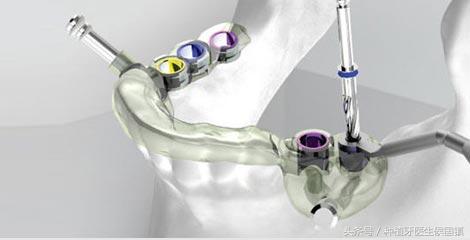
3D guided precision visual implantation
4. Restoration speed
Traditional dental implants: after placement, a 3-6 month recovery period is needed before the crown can be fitted, and during this period the implant cannot be used for eating;
Precision "immediate use" dental implants: immediate loading after surgery, the crown can be worn the same day, and eating is easy.
5. Age limits
Traditional dental implants: for those who are somewhat older, frail, have severe periodontitis, or are missing too many teeth, it is very difficult to carry out dental implantation;
Precision "immediate use" dental implants: minimally invasive and painless, with a short surgery time; implantation and crown placement can be carried out in the same period, breaking through the limits of poor condition and advanced age.
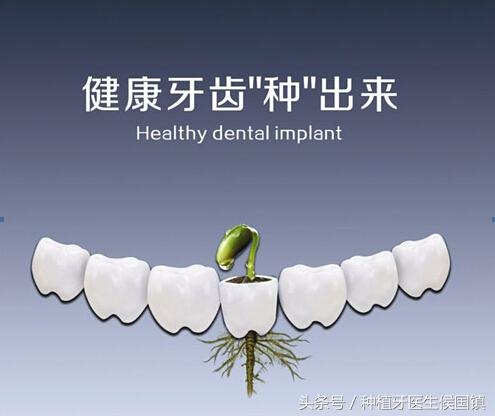
Breaking through age limits
6. Care plan
Traditional dental implants: generally generic care;
Precision "immediate use" dental implants: precision medical care after treatment.
7. Service life
Traditional dental implants: service life stability is poor;
Precision "immediate use" dental implants: with proper maintenance, they last a lifetime.
Planting a better life
Through the above seven-point comparison, I believe everyone can gain some understanding of the differences between the two. Compared with traditional implant technology, precision "immediate use" dental implants uphold the concepts and models of precision oral medicine and holistic medicine, and represent a new technology, a new concept and a new breakthrough.
That is all for today's popular science. If there is anything else you would like to know, feel free to leave a comment below~ If you have dental problems, then follow 'Implant Dentist Hou Guozhen'!