-
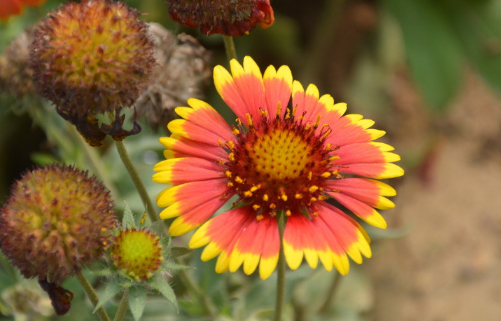
How to grow gaillardia (blanket flower) from seed? Sowing methods and care tips
Sowing time: This plant likes a hot, dry environment, so it is usually sown in summer, a period with plenty of light. Pre-treatment: 1. Soak the seeds in warm water for seven to eight hours so they fully absorb water and swell up. Even after swelling, the seeds are still very small.
-
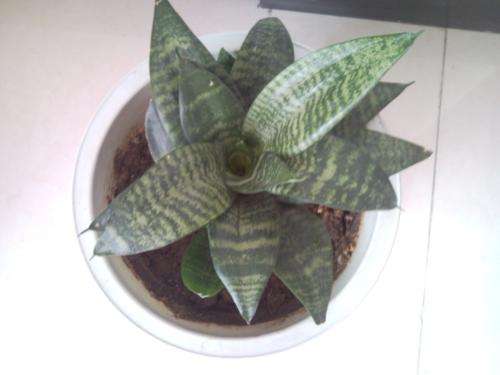
A Detailed Guide to Growing and Daily Care Tips for Croton
Because croton is a tropical plant, unlike most of China's temperate plants, growing croton requires a certain method. So let the editor add some explanation! First, the choice of growing soil: the soil needed for croton growth must be fertile and have good moisture-retention capacity.
-
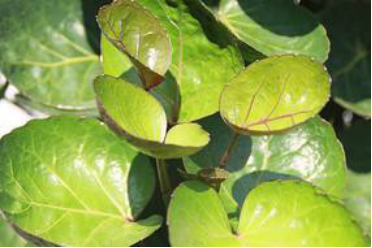
How to grow a Money Tree? These care tips you need to know
1. Ventilation issue. When growing a Money Tree indoors, if ventilation is poor, its leaves will easily wilt. Although it will not die immediately, the leaves will drop one by one, and if not remedied in time, the end result is only death. Therefore, when growing a Money Tree indoors, you need to pay attention to timely ventilation
-
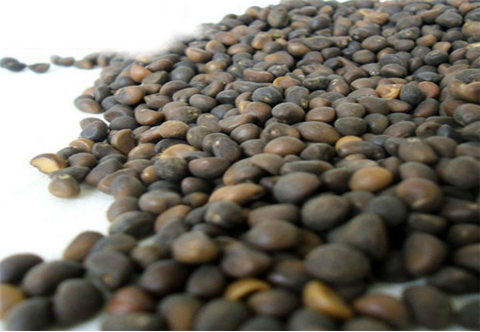
How to Grow the Dancing Grass? Detailed Planting Methods and Tips
I. Seed Treatment: The seeds of the dancing grass cannot be sown right away. You need to first remove the waxy coating on the seed coat, and you can use dry fine sand for this step. After removing the wax, soak the seeds in warm water at around 38 degrees Celsius for more than a day, then take them out, wrap them in a dry cloth, and let them dry in a cool place.
-
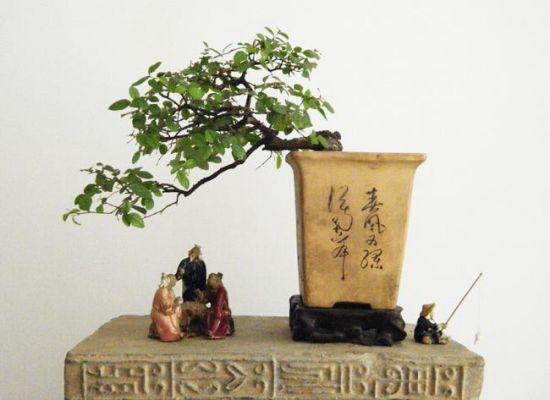
How to grow Sageretia thea (Chinese sweet plum)? Master these five key care tips
Water: There is a bit of finesse to the water used for Sageretia thea care. Natural water such as river water, pond water and rainwater is best. If using tap water, it should be stored for one or two days so the chlorine can evaporate. Water left over from washing clothes, and water containing grease or salt, must never be used. Fertilizing: Sageretia thea should be fertilized in moderation; too much fertilizer makes the branches and leaves grow excessively.
-
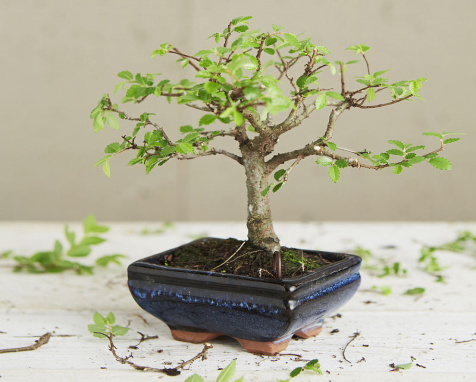
How do you care for a Chinese elm bonsai? Keep these care tips in mind
1. The Chinese elm tolerates slight shade but very much loves light, so water it more in summer and autumn, and avoid harsh sun exposure. 2. The Chinese elm can be pruned year-round, but remember that to prevent excessive sap flow and dead branches, you must not prune the Chinese elm on rainy days. 3. The Chinese elm likes humus mixed soil (pH 5.5-6).
-
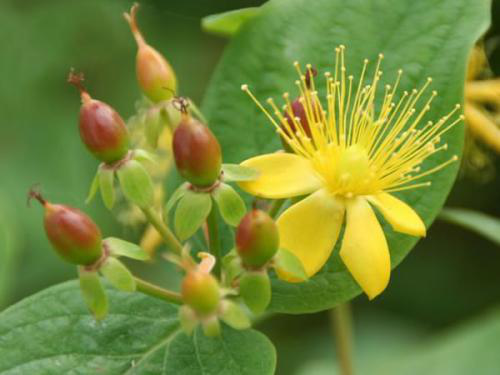
Cultivation Methods and Daily Care Tips for Hypericum patulum
1. Temperature: Hypericum patulum prefers to grow in sunny spots, but it can also tolerate shade, which is quite unusual. Moreover, Hypericum patulum is a temperate and subtropical tree species and is cold-hardy. So Hypericum patulum is a tough plant. 2. Soil: Hypericum patulum does not have high soil requirements; it can grow in fertile soil and also in poor soil, so it is very easy to grow.
-
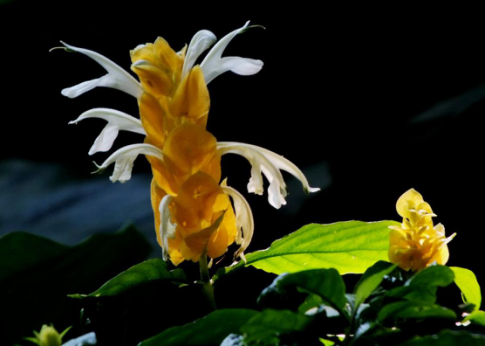
Propagation Methods and Disease Protection Tips for the Golden Shrimp Plant
Propagation is usually done by cuttings, which can be carried out year-round, with summer being the best time. When taking cuttings, cut off an 8cm branch, leave two or three buds, and bury it in prepared potting soil. Keep the temperature above 15°C, and it will sprout in 2 months and bloom the same year. For the disease leaf spot, spray with zineb wettable powder.
-
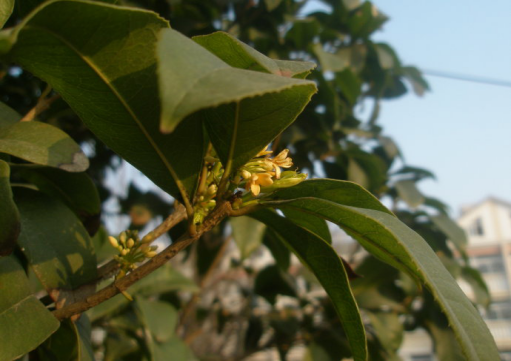
Detailed Guide to Four Seasons Osmanthus Care Methods and Daily Management Tips
Give it fertile, well-draining, slightly acidic soil; give it plenty of sunlight, clean and moist air; give it a temperature of 18°C-25°C; give it an appropriate amount of water. Do these few things well, and the Four Seasons Osmanthus will bloom as promised every year in the months of January, April, August, and November. Careful tending can be exchanged for its companionship through all four seasons.
-
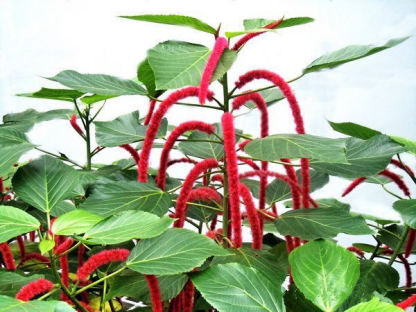
What are the care tips for growing Acalypha hispida?
1. Pruning. Whether for landscaping or indoor home decoration, Acalypha hispida needs frequent pruning during cultivation. First, it makes the plant shape more attractive; second, it promotes healthy growth. Because Acalypha hispida grows quickly, prune and pinch back the tips at irregular intervals to encourage more branching.
条件筛选