-
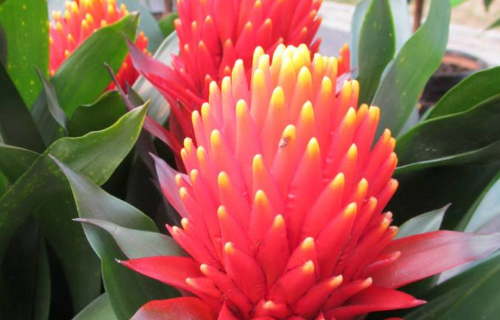
How to Grow Torch Lilies? Detailed Guide to Cultivation Methods and Tips
Soil Torch lilies are mostly grown in open ground or in pots. When potted, choose a spot sheltered from the wind and facing the sun. Before planting, the soil should be deeply plowed and organic fertilizer applied; for pot cultivation, the soil layer should be fairly deep, fertile, and a sandy loam with good drainage. Light Torch lilies prefer warmth, and in an environment with sufficient light
-
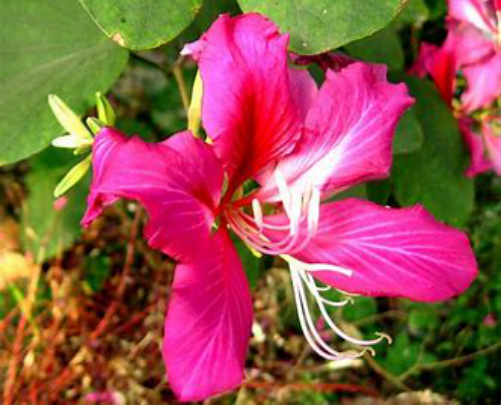
What are the daily care tips for Bauhinia variegata?
1. Soil: loose, well-drained acidic sandy soil; the soil can be fertile or poor, because it tolerates barren conditions. When transplanting Bauhinia variegata, it is best to keep some soil around the roots, which can improve the survival rate of transplanting. 2. Light and temperature: Bauhinia variegata likes a sunny and warm environment, because it is not very cold-tolerant.
-
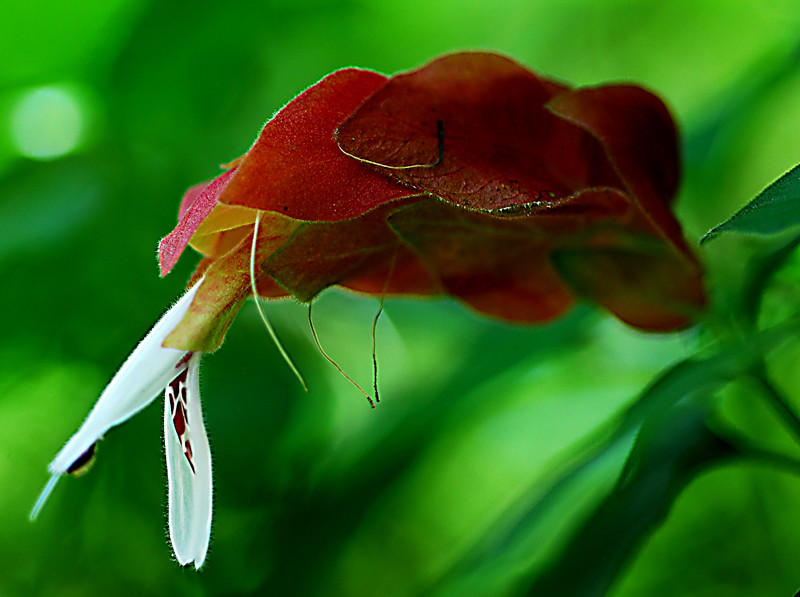
How to grow shrimp plant? Sharing of cultivation methods and tips
First of all, the shrimp plant blooms in all four seasons, so we need to separate different seasons with different cultivation methods. 1. Sufficient light. In spring and autumn, we need to let the shrimp plant get full exposure to light. The plant cannot stay in a sunless state for a long time, otherwise it will easily become leggy.
-
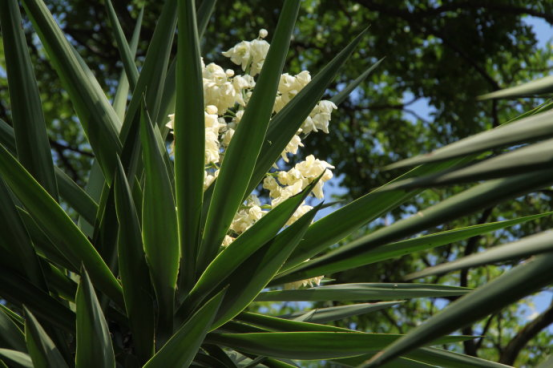
How to grow yucca? Detailed guide to cultivation methods and tips
1. Yucca does not have high demands on the growing environment. You can choose a relatively loose, well-draining, nutrient-rich soil for cultivation, which ensures the nutrients needed for its growth; you can also choose soil with a slight amount of humus. 2. During its growth period, yucca loves a sunny, warm environment
-
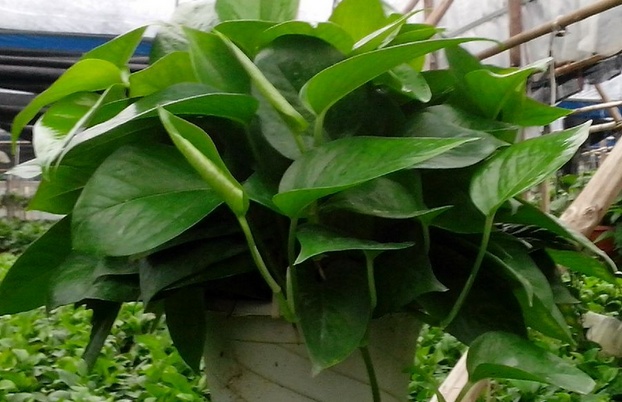
How to care for Philodendron 'Cordatum'? These care tips you need to know
Pest defense: Pests can deal a devastating blow to plants. The pest-related disease commonly seen on Philodendron 'Cordatum' is leaf spot. Therefore, be extra careful about pests and apply the right treatment promptly. 2. Daily care: First, avoid direct sun exposure, but provide fairly ample sunlight, for example near a window. Second, frequently wipe dust off the leaves
-
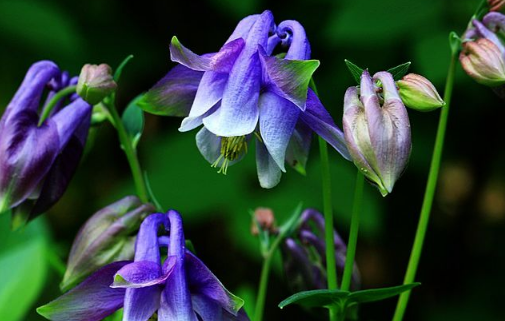
How to grow columbine? Keep these cultivation tips in mind
Pests and diseases The main pest of columbine is aphids, which cause considerable damage and can also lead to mosaic virus; besides this, there is the threat of powdery mildew, which requires timely and appropriate treatment. That is the introduction to columbine above; I hope this article can help flower lovers who are growing columbine
-
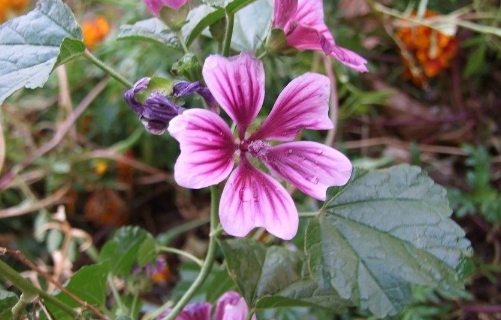
Mallow cultivation methods and care tips
Soil Mallow does not have high requirements for soil. We can use slightly acidic leaf mold or nutrient soil, or sandy soil is also fine. After transplanting mallow into a flower pot, we should first place it in a position that can receive sunlight and let it bask for half a day. This will help the plant bloom later.
-
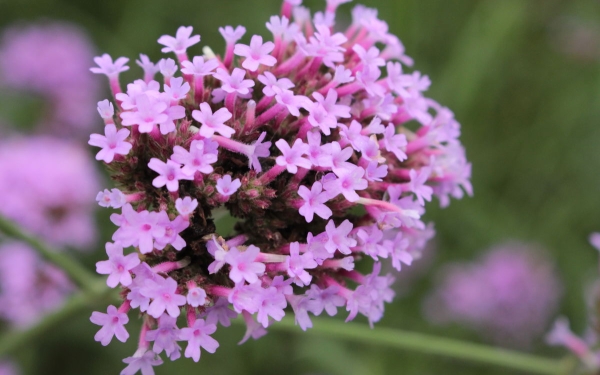
How to grow vervain? Keep these care tips in mind
During the growth of vervain, it needs to be pruned in time, and you should always pay attention to its growth, strictly control the plant's growth, encourage new branches, and extend the flowering period. And each time you prune, you should fertilize to provide sufficient nutrients
-
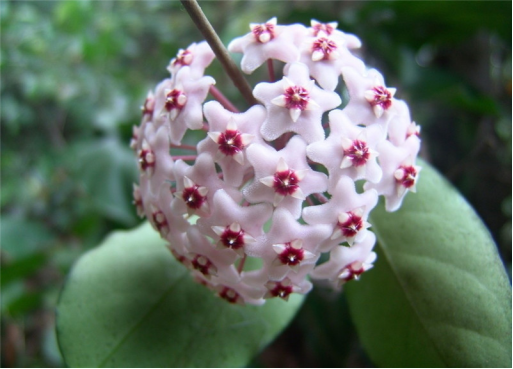
What are the care tips for hoya? Read this one article to understand
1. Hoya likes to stay put and dislikes being moved; once it is repotted and planted properly, do not keep changing it around; and do not keep moving its placement location either. 2. Hoya has temperature requirements, yet it should avoid air-conditioned rooms; what it needs to be exposed to is natural temperature. 3. Except in cold weather
-
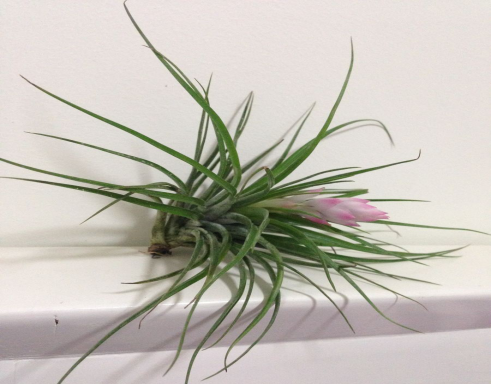
How to Care for Air Plants? Detailed Guide to Care Methods and Tips
Light: Among air plants, varieties with grayer leaves, more white scales, and thick, hard leaves prefer strong light; strong light and appropriate temperature are the key to making air plant flower petals more attractive in color. Water: Air plants can be divided into thick-leaf and thin-leaf types according to leaf thickness. Thick-leaf varieties prefer dryness
条件筛选