-
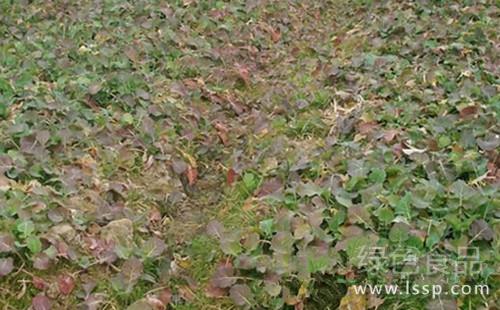
Causes of Red Leaves Stunting Rapeseed Growth and Targeted Control Methods
How to Apply Targeted Control to Rapeseed with Red Leaves Causing Stunted Growth
-
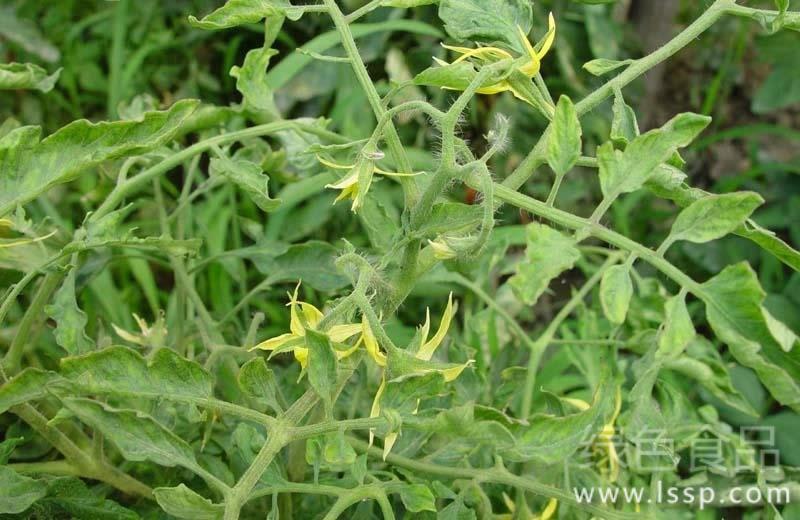
Many Causes of Tomato Leaf Curling, Analysis of Targeted Control Methods
There are many causes of tomato leaf curling; how to carry out targeted control of tomato leaf curling
-
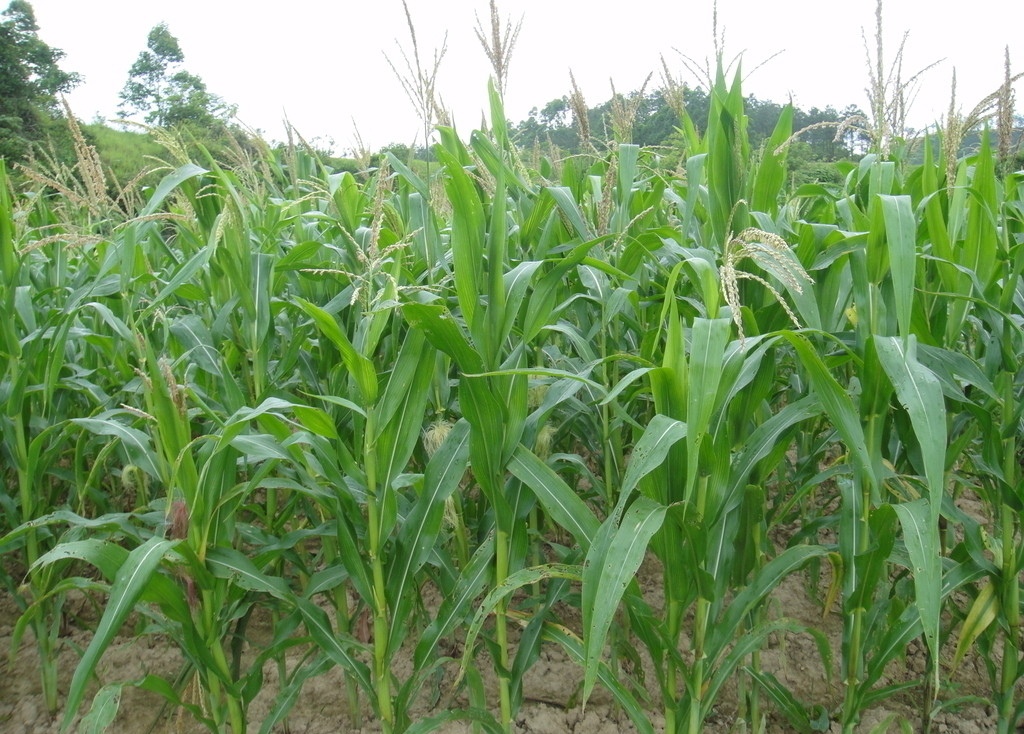
Symptoms of Nutrient Deficiency in Summer Corn and Targeted Control Methods
Symptoms of Nutrient Deficiency in Summer Corn and Targeted Control Methods
-
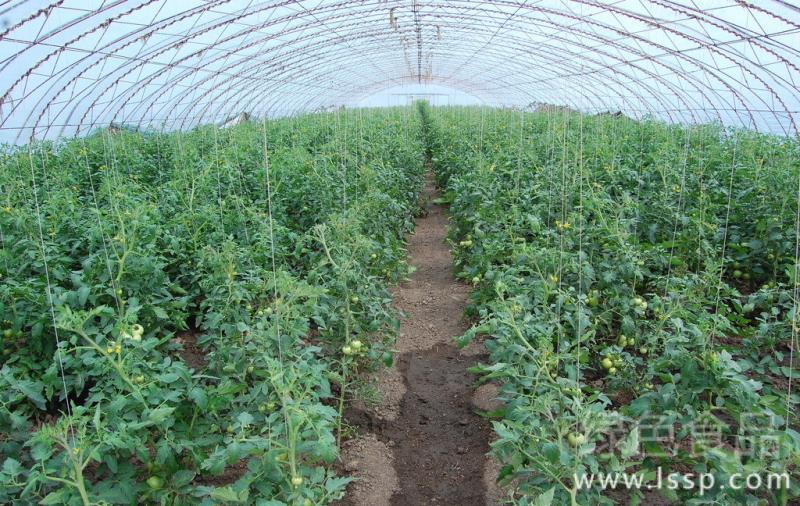
Targeted Analysis of the Causes of Adventitious Root Formation in Tomatoes
Targeted Analysis of the Causes of Adventitious Root Formation in Tomatoes
-
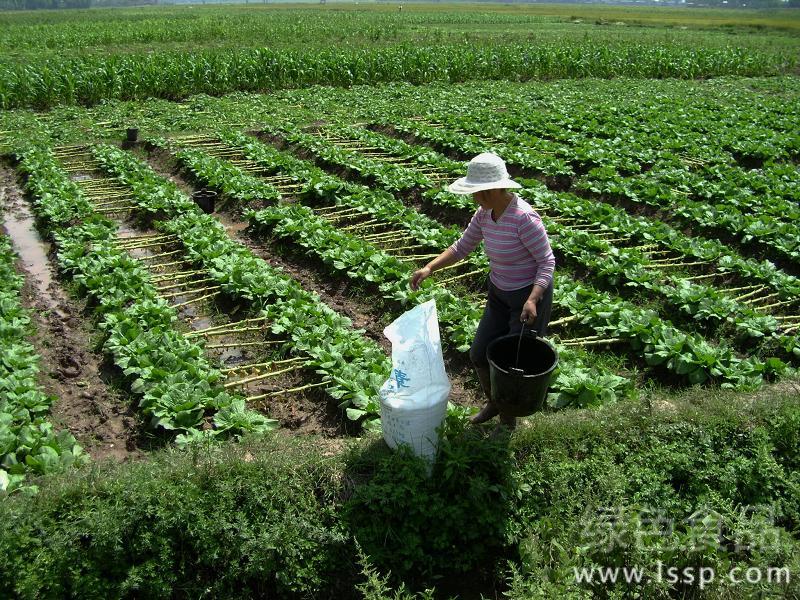
Master the nutritional characteristics of various vegetables and apply targeted fertilization
Master the nutritional characteristics of various vegetables and apply targeted fertilization
-
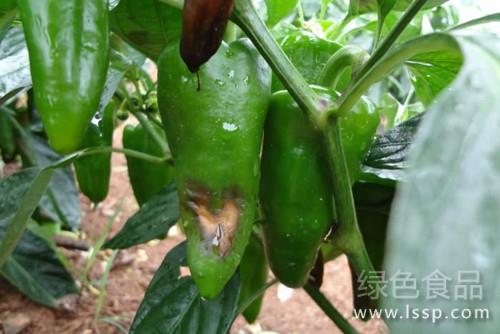
There are many causes of pepper fruit rot, so how do you treat it in a targeted way?
Pepper fruit rot is caused by multiple factors; how do you treat pepper fruit rot in a targeted way?
-
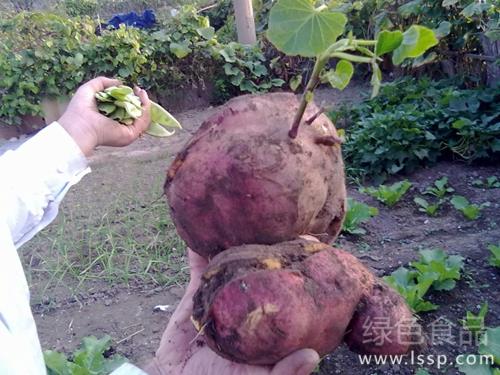
Sweet potato cracking affects sales and storage; how can it be prevented and controlled in a targeted way?
Sweet potato cracking affects sales and storage; how can it be prevented and controlled in a targeted way? Sweet potato cracking
-
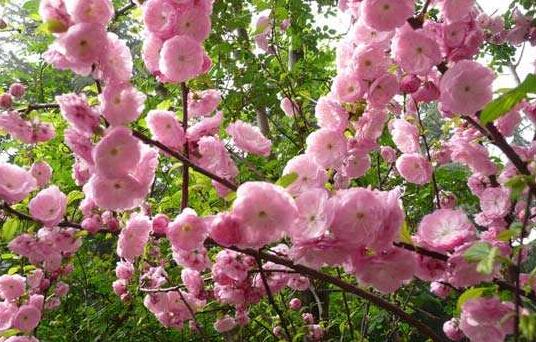
How to control pests and diseases of flowering almond (Prunus triloba)? 7 effective methods for targeted treatment
The disease resistance of flowering almond is very strong; it can survive in relatively harsh environments, but its growth will be severely hindered because such environments easily trigger pests and diseases, which pose a great threat to flowering almond, not only causing leaves to turn yellow and fall off so it cannot bloom, but also leading to the death of the plant
-

Targeted measures should be taken for cotton management in the middle and late stages
This year, cotton was affected by unfavorable weather such as low temperatures, cloudy and rainy days, and insufficient sunlight in the early stage, resulting in weak growth and delayed development of plants over large areas. In addition, severe natural disaster weather such as heavy rain and typhoons has occurred frequently recently, making the cotton production situation very serious. Cotton is currently in a critical growth period, and all localities should adopt targeted technical measures, strengthen cotton field management, promote the transformation of seedling conditions, and strive to achieve a bumper cotton harvest. 1. Fertilizer management. Focus on the application of topdressing fertilizer and the mixed spraying of pesticides and fertilizers in the later stage. Generally, apply 5-7.5 kg of urea per mu to increase bolls and boll weight and prevent premature senescence. For cotton fields with late boll setting, few bolls in the middle and lower parts, or sufficient flower and boll fertilizer with late application timing, where cotton plants are still growing vigorously at the Beginning of Autumn, fertilizer should mainly be applied by spraying, with supplementary application in fertilizer-deficient areas. For cotton fields deficient in potassium and boron, promptly spray potassium fertilizer and boron fertilizer in combination with pest and disease control.
-
What to Do About Cotton Plant Death? A Detailed Guide to Targeted Control Techniques
In recent years, in some old cotton-growing areas, the problem of cotton "plant death" has become increasingly serious, causing losses for many cotton farmers. Although control measures have been applied, the situation has worsened year after year, with unsatisfactory results. Therefore, cotton disease control should follow the principle of "prevention first, treatment second" to reduce the incidence of cotton disease. 1 Control of oomycete diseases. In recent years, the promotion of disease-resistant and pest-resistant cotton varieties has changed the diseases causing cotton "plant death," with oomycete diseases being the most important, 60%-70% of which are caused by oomycetes such as Phytophthora or Pythium.
条件筛选