How to control pests and diseases of flowering almond (Prunus triloba)? 7 effective methods for targeted treatment
The disease resistance of flowering almond is very strong; it can survive in relatively harsh environments, but its growth will be severely hindered because such environments easily trigger pests and diseases, which pose a great threat to flowering almond, not only causing leaves to turn yellow and fall off so it cannot bloom, but also leading to the death of the plant. Today we will introduce the prevention and control of pests and diseases of flowering almond to avoid such tragedies.
Prevention and control of pests and diseases of flowering almond
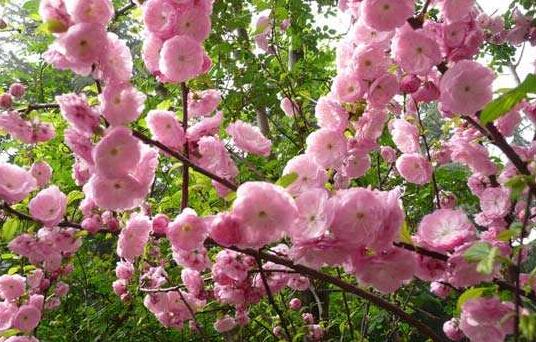
After hundreds of years of cultivation, people have catalogued the more common pests and diseases of flowering almond. The main diseases include black spot, crown gall, and leaf spot; the pests include aphids, nettle caterpillars, leafhoppers, aromatic wood moths, and so on. The control methods will be explained in detail based on these common pests and diseases.
Prevention and control of common diseases of flowering almond
1. Crown gall
[Characteristics]: It usually appears on the roots and aboveground parts of flowering almond. In the early stage, nearly round dark brown small tumor-like growths appear on the roots, which then gradually enlarge and crack, turning black-brown, and the interior of the tumor becomes lignified, causing damage to the roots.
[Control]: (1) Before planting, the soil should first be disinfected, for example by soaking with 0.5% potassium permanganate, then drying before potting; (2) When the disease occurs, medication is needed for control, for example spraying with 75% thiophanate-methyl wettable powder at 900-1400 times dilution.
2. Black spot
[Characteristics]: It generally appears on the leaves. Initially there are reddish-brown or purplish-brown small spots on the leaves, which then expand into dark black disease spots with yellow halos around them. In severe cases, black fruiting bodies appear on the disease spots, causing branches to die. It is the most common in the prevention and control of pests and diseases of flowering almond.
[Control]: (1) When planting, choose varieties with strong disease resistance and robust growth, and ensure that the environment where flowering almond is located has sufficient light; (2) After the disease occurs, timely treatment with medication is needed, for example spraying with 85% zineb at 400 times dilution or 75% chlorothalonil at 600 times dilution.
3. Leaf spot
[Characteristics]: Black disease spots appear on the leaves of flowering almond. The spots are initially round but develop into irregular shapes. The leaves become wrinkled, with irregular black dots appearing on both sides. The leaves turn yellow and curl, and finally fall off prematurely.
[Control]: (1) In winter, promptly remove dead branches and diseased leaves to prevent pathogens from remaining in the plant or soil to overwinter; (2) Spray with 75% chlorothalonil wettable powder at 800 times dilution, or 75% thiophanate-methyl wettable powder at 900 times dilution, to thoroughly eliminate the source of the disease.
Main pests of flowering almond
1. Nettle caterpillar
[Characteristics]: It usually hides by day and comes out at night, with the most severe damage in August. It feeds on the stems and leaves of flowering almond and is very good at camouflage. It is also called the "stinging caterpillar," and hides in the soil layer under trees to overwinter.
[Control]: (1) Turn the soil frequently to reduce the source of insects, keep the environment ventilated, and prevent the air from becoming too dry; (2) After the pest occurs, spray with 50% malathion emulsifiable concentrate at 1000 times dilution or 25% phosmet emulsifiable concentrate at 1000 times dilution. Note that contact with nettle caterpillars can cause skin rash or pain, so caution is needed during control.
2. Aphids
[Characteristics]: In the prevention and control of pests and diseases of flowering almond, aphids are the most common. They spread through wind, so when aphids are found, control should be carried out as early as possible to prevent them from harming other plants. When aphids appear, they secrete a sticky substance on the leaf surface, and flowering almond will also turn yellow and wither because of them.
[Control]: (1) When aphids are found, cut off the yellowed branches and leaves and burn them together, and place the plant in sunlight for management; (2) Spray with 12% omethoate emulsion at 900 times dilution, or malathion emulsion at 1100-1600 times dilution, to thoroughly eliminate the pest.
3. Leafhopper
[Characteristics]: Also called the green leafhopper, it mainly feeds on the sap of flowering almond leaves. When leafhoppers appear, the leaves begin to fade from green, then become curled and deformed, and finally the leaves die. The leafhoppers jump to other branches and leaves to continue causing damage.
[Control]: (1) Leafhopper eggs overwinter in low-temperature environments and hatch in April, so in early spring the entire plant can be sprayed with urea and water solution; (2) When there are many adults, spray with 2.5% trichlorfon powder or 2% leafhopper powder.
4. Aromatic wood moth
[Characteristics]: The adult body length is 24-40 mm. After hatching, the larvae bore under the bark to feed on the phloem and cambium, and continue causing damage in the xylem, causing flowering almond to grow weakly.
[Control]: (1) Before the temperature drops, whitewashing the trunk can prevent adults from laying eggs on the trunk, then clean up the damaged branches to eliminate the source of insects; (2) Use chemical control, such as 50% dichlorvos emulsifiable concentrate at 100 times dilution to kill larvae, and 50% phoxim emulsifiable concentrate at 1500 times dilution to kill adults.
Methods for preventing and controlling flower pests and diseases
Methods for preventing and controlling flower pests and diseases
For the prevention and control of flower pests and diseases in protected cultivation, the principle of "prevention first, integrated control" should be implemented, with horticultural control as the foundation, strengthening artificial control, giving full play to the controlling role of natural enemies, and combining chemical control to carry out integrated management of pests and diseases.
There are three main approaches to prevention first: (1) Eliminate the source of pests and diseases or reduce the base population of pests and diseases. For example, plant quarantine is an effective measure used to prevent dangerous diseases and pests from spreading along with seeds and seedlings. Reducing the base population of pests and diseases refers to reducing the number of overwintering pathogens and pests; (2) Worsen the environmental conditions for the occurrence and damage of pests and diseases, that is, create or make full use of conditions unfavorable to pests and diseases, and change or eliminate conditions favorable to them; (3) Take timely and effective measures to eliminate pests and diseases before they break out in large numbers and cause significant damage. For example, rational use of pesticides and adoption of effective artificial and physical measures.
Integrated control is based on agricultural technical control, adapted to local and seasonal conditions, rationally using chemical control, biological control, physical and mechanical control, and other measures, giving full play to the positive role of various control methods so that they are organically combined and coordinated,
drawing on each other's strengths to achieve the goal of economically, conveniently, safely, and effectively controlling and eliminating pests and diseases.
Take effective measures to protect flowers from the invasion of pathogens and pests, and control the number of pathogens and pests; improve environmental conditions so that they are favorable to the growth and development of flowers and unfavorable to the survival and infection of pathogens and pests, thereby improving the disease and pest resistance of flowers. The specific control methods are the following five:
1. Plant quarantine
The frequent exchange and transportation of flower species and varieties between countries or regions has allowed some pests and diseases to spread, causing great losses to flower production. The South American leafminer and the American leafminer, which are now widespread in China, were introduced from abroad in 1994 due to lax quarantine, causing great losses to China's flower and vegetable production. Therefore, blind introduction and transfer of seeds should be avoided, and quarantine laws and regulations should be strictly enforced.
Plant quarantine includes three aspects: diseases, pests, and weeds. It is a series of regulatory measures adopted by the state to protect agricultural production from the invasion of foreign dangerous diseases, pests, and weeds. According to legal provisions, the types of plant products subject to quarantine and the lists of diseases, pests, and weeds prohibited from being brought in or taken out are stipulated. If quarantine objects are found, they are not allowed to be imported or exported, or may be exported or imported only after disinfection treatment has eliminated the quarantine objects, so as to prevent spread and disaster. Plant quarantine is an important part of pest and disease control, especially in the contemporary era when transportation tools are highly developed and exchanges with foreign countries are continuously expanding, strengthening quarantine work is particularly important. At the same time, the transportation of seeds, seedlings, and other cultivation materials between domestic regions must also implement quarantine, and quarantine objects are strictly prohibited from entering new areas.
2. Horticultural control methods
Agricultural technical control methods use a series of cultivation management technical measures in the flower cultivation process to purposefully change certain environmental conditions so that they are unfavorable to the occurrence and development of pests and diseases and favorable to the growth and development of flowers, thereby avoiding or reducing the occurrence of pests and diseases and achieving the goal of improving flower quality. Since most agricultural measures themselves are a means of high flower yield and do not require additional manpower and material resources for pest and disease control, they often achieve multiple benefits at once, meet economic requirements, and at the same time agricultural control has no adverse side effects such as polluting the environment or killing natural enemies. The specific measures of agricultural technical control methods are:
1. Rational fertilization and scientific watering. Organic fertilizer used should be fully decomposed. Before application, the pathogens and
pests in it should be thoroughly killed, and pests should be prevented from laying eggs on the organic fertilizer after application. When applying inorganic fertilizer, the ratio of nitrogen, phosphorus, and potassium should be reasonable. Do not apply excessive nitrogen fertilizer; instead, appropriately increase phosphorus and potassium fertilizer, and advocate formula fertilization. The watering method should be appropriate. Avoid spray watering; it is best to use furrow irrigation or watering along the edge of the pot. Watering should be moderate. Choose to water on sunny mornings, and after watering, ventilate promptly to remove moisture.
2. Keep greenhouses and conservatories clean and sanitary
Promptly remove flower branches and leaves with pests and diseases, pull out diseased plants, clear fallen leaves and dead branches, and thoroughly remove weeds inside and outside the conservatory to reduce sources of pests and diseases. Diseased residues should be deeply buried or burned.
3. Improve environmental conditions
Ventilate and exchange air frequently to reduce humidity, so as to reduce the occurrence of high-humidity diseases such as gray mold on flowers. Planting density and pot placement density should be appropriate to facilitate ventilation and light transmission between plants and reduce the damage of mites and other pests. Control temperature well; do not let it fluctuate between hot and cold. In winter and spring, special attention should be paid to keeping warm, while in hot summer, shade nets should be used. Adjust light intensity according to the needs of flower growth. Ventilation and cooling can control the development of many diseases; while high-temperature closed greenhouses can control the occurrence of low-temperature diseases such as downy mildew.
4. Winter plowing and deep turning
Winter plowing and deep turning of open-field cultivated flowers has a significant effect on eliminating pests in vast areas of China, especially in cold regions. Winter plowing and deep turning can expose most of the
larvae, pupae, eggs, and so on lurking in the soil to the surface to be frozen to death or pecked by beneficial birds, and manual capture can also be carried out. Deep plowing can bury pathogens and crop residues in shallow soil into deeper soil layers, causing them to lose vitality, and can also turn pathogens originally in deeper soil layers to the surface, increasing death due to the influence of other natural factors such as light, temperature, and humidity.
5. Handle damaged plants
The residual plants after flowering and damaged plants of annual and biennial herbaceous flowers should be immediately pulled out and burned or deeply buried in the soil; after perennial and woody flowers wither in late autumn or shed leaves, dead branches and fallen leaves should be promptly removed and centrally destroyed. This measure can also reduce the number of some pathogens and pests.
6. Timely weeding
Overgrown weeds not only compete with flowers for nutrients, affect ventilation and light transmission, and cause poor plant growth, but weeds are also breeding grounds for some pathogens and pests. Some viral diseases and pests often use weeds as hosts. Weeds are also overwintering sites for some pests and diseases. Therefore, timely removal of weeds is of great significance in pest and disease control.
7. Timely pruning
In combination with flower and tree pruning, cut off diseased buds, diseased branches, diseased roots, and so on to reduce the number of pathogens, and also eliminate eggs, larvae, and adults that overwinter or oversummer on branches, reducing the source of pests.
8. Adjust sowing time
The occurrence of many pests and diseases has a certain disease period and pest occurrence period due to the influence of temperature, humidity, and other environmental conditions, and is most severe in a certain period. If sowing is advanced or delayed, the disease period and occurrence period can be avoided, reducing damage. For example, aster seedlings are most vulnerable to damage by cucurbit leaf beetles; if sowing can be advanced, the degree of damage can be reduced. Adjusting the sowing or transplanting period has a certain control effect on pests that occur once a year, have a single feeding habit, and occur uniformly.
9. Rational crop rotation
Avoid continuous cropping with mutually infecting flowers as much as possible, so that pathogens and pests in the soil cannot obtain suitable hosts, thereby reducing the number of pathogens and pests.
10. Scientifically carry out the harvest and post-harvest management of bulbs and other organs. During digging, reduce wounds as much as possible. After digging out, promptly remove diseased
bulbs with pests. They can be stored in cellars only after being fully dried in the sun. Wounds caused during digging easily lead to the invasion of various molds. Excessive temperature, excessive humidity, and poor ventilation at the storage site are important causes of bulb rot. Therefore, care should be taken during digging to minimize wounds. The storage cellar should be kept clean and sanitary. After being put into the cellar, the cellar temperature should be controlled at about 5°C, and the relative humidity should be controlled below 70%.
11. Pay attention to the rational arrangement of flower types
According to the characteristics of flower types and site conditions, arrange them reasonably so that the cultivated flowers are distributed in an orderly manner, with appropriate density, obtain the space and sunlight they should have, and are in an environment with good air circulation, thereby facilitating the growth and development of flowers and discouraging the occurrence of pathogens and pests.
12. Select healthy, pest-free propagation materials
Flower viral diseases occur commonly, and many propagation materials carry viruses. Therefore, virus-free tissue-cultured seedlings should be used in production. It is best to establish disease-free seed fields and collect seeds or obtain propagation materials from healthy mother plants.
13. Select and cultivate pest- and disease-resistant varieties
Breeding pest- and disease-resistant flower varieties and cultivating flowers with strong disease resistance can protect flowers from pest and disease damage or reduce the degree of damage. This is one of the important methods for effectively controlling flower pests and diseases.
3. Biological control methods
Biological control is the use of natural enemies to control pests and diseases. Natural enemies are organisms that feed on pests or pathogens. Under natural conditions, natural enemies are widely present and control the damage of pests and diseases, especially pests. In flower care, the role of natural enemies should be consciously strengthened, such as leaving pruned pest-carrying branches for a few days before burning them, to protect parasitic natural enemies inside the pests.
4. Physical and mechanical control methods
1. Heat treatment of propagation materials
Soaking seeds or other propagation materials in water at a certain temperature can kill pathogens and pests on the surface and inside, but the temperature and treatment time must be well controlled. Excessive temperature and too long treatment time will affect the vitality of seeds and other propagation materials.
2. Soil heat treatment
If conditions permit, soil can be treated with hot steam to kill pathogens, nematodes, and pests in the soil. Soil heat treatment should be carried out before planting, and the heated soil should reach a certain depth, with the soil temperature at a depth of 20 cm reaching 75°C as appropriate.
3. Mechanical barriers
Covering with agricultural film can play a certain mechanical barrier role against the introduction and spread of pathogens and pests, and can also inhibit the formation of spores of gray mold and sclerotinia.
4. Trap and kill insects and nematodes
Use the tropism of insects and nematodes to control pests and nematodes. For example, use yellow boards to trap and kill adult whiteflies, use fly-catching paper to trap and kill adult leafminers, and plant trap plants to trap nematodes, thereby reducing their damage to flowers.
5. Chemical control methods
Chemical control is pesticide control. It has the advantages of good control effect, quick results, and simple application methods. But at the same time, it can also pollute the environment, cause pesticide damage, and after long-term use, pathogens and pests will develop resistance. Chemical control is an important part of integrated pest and disease management, but attention should be paid to the scientific use of pesticides.
1. Correctly select the type of pesticide
Understand the function of the pesticide and the target to be protected, and apply the right pesticide according to the type of pest or disease. For example, the fungicide metalaxyl has a good control effect on downy mildew of various flowers, but cannot control powdery mildew. The insecticide pirimicarb has a good control effect on most aphids, but is almost ineffective against cotton aphids.
2. Rationally select pesticide formulations
High humidity is favorable for the occurrence of gray mold; therefore, selecting smoke agents or dust formulations such as procymidone gives better control of the disease. For controlling scale insects, soil-applied systemic granules and irrigation with systemic pesticide solutions can be used to achieve the purpose of controlling aboveground pests through underground application.
3. Apply pesticides at the right time
It is necessary to fully understand the occurrence patterns of pests and diseases, find weak links, and apply pesticides in time. For example, before flower sowing or transplanting, pesticide can be applied to disinfect seedling rooms and conservatories, treat soil and dress seeds with chemicals, and use disinfectants such as formalin to disinfect agricultural operation tools and containers such as flower pots. Eliminating pests and diseases outside the flower garden and before damage is the best policy. For example, eliminating pathogens and pests on overwintering hosts or during the overwintering stage are proactive methods. For diseases, the favorable time for control is before the pathogen is infected, or before the next spore reproduction and spread, eliminating the pathogen at the initial stage. Applying pesticide too early will cause the efficacy to decompose under sunlight and rain, failing to play its due role; applying pesticide too late, after the pathogen has already invaded, becomes "belated advice." To control pests, consider the resistance of different pests or the same pest at different developmental stages. For example, for general pests, larvae are divided by the 3rd instar; before the 3rd instar, resistance is poor, and after the 3rd instar, resistance increases significantly, while newly hatched larvae have the lowest resistance. Generally speaking, the resistance of Lepidoptera insects to pesticides is egg > pupa > larva > adult, so the favorable period for controlling larvae is generally before the 3rd instar, and controlling adults is even more favorable. But controlling boring pests is different; generally it should be at the peak egg-laying period.
4. Alternation and mixed use of pesticides
Long-term single use of the same pesticide to control pests and diseases in the same area may produce resistance within pathogen and pest populations. Therefore, rational alternation or mixed use of different types of pesticides is advocated to avoid the development of resistance.
5. Safe use of pesticides and avoidance of pesticide damage
Some flowers or certain growth stages may be sensitive to one or some pesticides; in such cases, the pesticide should be used with caution. Even if not sensitive, the pesticide concentration and dosage should be strictly controlled. Do not arbitrarily increase the concentration and dosage to prevent pesticide damage. If the pesticide used is a new drug, a test of pesticide concentration and dosage should first be done on a small area, and only after it is confirmed safe can it be used on a larger area. In addition, highly toxic pesticides should be used with caution, and high-residue pesticides that seriously pollute the environment and water sources should be restricted or prohibited.
(1) Inappropriate pesticide application dosage.
Excessively high pesticide concentration often causes pesticide damage to flowers, and this is the most easily occurring problem. To prevent pesticide damage, the concentration of the pesticide solution should be appropriate. Different pesticides used in different seasons for different pests and diseases and different types of flowers have different concentrations, and preparation must strictly follow the concentrations specified in relevant pesticide manuals.
(2) Different types and varieties of flowers, or flowers of the same variety at different developmental stages, react differently to pesticides.
For example, Bordeaux mixture and other copper-containing fungicides easily cause pesticide damage to peach, plum, and so on; dimethoate emulsion easily causes pesticide damage to plum blossom, flowering almond, peach, ornamental peach, Chaenomeles speciosa, cherry blossom, and so on; dichlorvos emulsion also easily causes pesticide damage to azalea, cherry blossom, plum blossom, and so on. For the same flower, generally speaking, the seedling stage, tender shoots, and tender leaves are prone to pesticide damage. The flowering stage is more sensitive to pesticide reaction; therefore, spraying pesticide during flowering easily causes flower and fruit drop.
(3) Influence of environmental conditions.
Applying pesticide at high temperature has good effect, but excessively high temperature easily causes pesticide damage. For example, lime sulfur mixture used in summer high temperature (above 30°C) very easily causes pesticide damage. Humidity also has an obvious effect on some pesticides; for example, arsenic preparations and Bordeaux mixture easily cause pesticide damage under rainy and high-humidity conditions. Therefore, pesticide application should depend on the weather and be used flexibly.
(1) Toxicity to natural enemies. After the application of many broad-spectrum pesticides, not only are pests and pathogens killed, but natural enemies of pests are also killed, thereby causing pest resurgence. Solutions:
Use selective pesticides. For example, ovotran, dicofol, and so on have no effect on general insect natural enemies (such as ladybugs, hoverflies, predatory mites, Trichogramma, and so on), so using such acaricides to control mites is very safe for natural enemies. Trichlorfon has very low toxicity to ladybugs and their larvae and eggs, and is also relatively safe for parasitic wasps and braconid wasps. Also, botanical pesticides are mostly less harmful to natural enemies. Applying tobacco water is relatively safe for ladybugs, mirid bugs, lacewings, predatory mites, parasitic wasps, and so on. Derris extract has little effect on adult ladybugs and parasitic natural enemies.
Choose an appropriate pesticide application period. For example, applying pesticide when parasitic wasps are still inside the host body will then kill only the pests. Another example is before artificially releasing natural enemies, first apply a pesticide with a short residual period, and after the pesticide toxicity disappears, then artificially release natural enemies.
(2) Toxicity to humans. Pesticides are mostly toxic to humans and livestock to a greater or lesser degree; therefore, attention must be paid to the safety of humans and livestock. Before applying pesticide, on the one hand, learn and master the toxicity and precautions of various pesticides; on the other hand, do protective work well. During application, the original pesticide or pesticide water must not get on the skin. If it does, immediately wash it off with soapy water. Wear a mask when spraying, spray in the downwind direction to prevent the pesticide liquid from splashing onto the face and inhaling toxic gas, and do not rub the eyes during operation. After use, tools should be immediately washed clean and properly kept for future use. After each pesticide application, wash hands with soap as a precaution. If poisoning symptoms occur due to carelessness, immediately take detoxification measures and, if necessary, send the person to the hospital as soon as possible for treatment.
Year-round pest and disease control for landscape trees
January1. January climate characteristics: dry and cold weather, little or no rain, and frequent fog. A warm winter is conducive to the overwintering and breeding of pests and diseases.
2. Pest and disease occurrence this month: The main affected varieties this month are Ficus microcarpa thrips, Ficus altissima 'Variegata' fall webworm, scale insects, hibiscus, white magnolia aphids, and scale insects. Large-leaf crape myrtle borers. Willow canker.
3. Main pests and diseases this month and control methods: mainly aphids, thrips, scale insects, borers, powdery mildew, brown spot, and so on. The control method can be spraying with omethoate plus dichlorvos plus thiophanate at 800 times dilution. For borers, omethoate diluted 5 to 10 times with water can be injected to kill them, and the damaged branches should be cut off and burned in a safe place.
4. Key cultivation management points: Winter pruning: fully carry out shaping and pruning work on deciduous trees; prune dead branches, damaged branches, and pest- and disease-infected branches on large and small trees. This month focuses on watering to preserve moisture and loosening soil to clean the garden. Promptly cut off dead diseased branches and dead trees.
5. Do a good job in sanitation and cleaning, and promptly remove garbage.
6. For scale insects that are difficult to control, a highly effective scale insecticide - Kuangshajie at 1000 times dilution can be used for control, and it can also control multiple pests at the same time.
February
February: The temperature rises somewhat compared with last month, and trees are still in a dormant state.
1. Maintenance is basically the same as January.
2. Pruning: Continue pruning dead branches and diseased branches of plane trees and large and small trees. Complete the pruning of various trees before the end of the month.
3. Pest control: Continue to focus on controlling nettle caterpillars and scale insects.
March
In March, the main focus should be on controlling the overwintering generation of pests and diseases.
1. A warm winter will lead to increased activity of the overwintering generation larvae of pests. The control of the overwintering generation of pests should be one of the key points of pest control in March. Among pests that overwinter as mature larvae, the following two should be noted:
1. Bagworm moth overwinters as mature larvae in its bag, mainly more numerous on trees such as camphor, cherry blossom, cypress species, and osmanthus. The overwintering ends in March, and it will begin to damage tree leaves, then pupate at the end of March. Therefore, the insect bags should be removed in early March.
2. Scarab beetles overwinter as larvae (white grubs) in the soil, mainly distributed in the root-zone soil of ground cover plants such as dwarf lilyturf and autumn zephyrlily and lawns. They will begin to cause damage in March, and pupate in April-May. Therefore, they should be killed by combining intertillage and soil turning to reduce the base population, which is extremely beneficial for subsequent control. Dihaiping can be used for control.
2. Another key control point in March should be aphid control. The rise in temperature in March will lead to massive aphid breeding. Aphids have now been found causing damage on many plants, such as coral trees, Euonymus japonicus, firethorn, Pittosporum tobira, red-leaf plum, peach trees, and so on. Maintenance units should promptly carry out control to avoid unnecessary losses. For control, pesticides such as imidacloprid-type agents (Yibianjing) or fenvalerate (not to be used too often, as resistance easily develops) can be sprayed.
3. Boxwood leafroller. Due to temperature reasons, not many overwintering larvae begin feeding, but there are sporadic occurrences, and instars are inconsistent. Activity increases in early March, so control should be carried out early to prevent an outbreak of the next generation. Its first generation is expected to occur at the end of March, so observation should be strengthened and control carried out promptly. For control, pyrethroid and BT-type insecticides can be sprayed.
IV. Powdery mildew. Powdery mildew can infect the seedlings of woody flowers such as Chinese rose and rose. The disease mainly occurs on leaves, and also harms young stems, flowers and fruits. It also appears sporadically on Mahonia fortunei and Euonymus japonicus, and with rising temperatures, there may be a major outbreak. For control, spray 1000-1500 times diluted Penkejun solution or 1500-2000 times diluted 50% Tianwei No. 3 solution once every 10-15 days, for 2-3 consecutive times, and combine with pruning, cutting off diseased and pest-infested branches and leaves.
April
April is a key month for the prevention and control of garden plant pests and diseases. Close observation should be maintained, and the appropriate period should be seized for careful control.
I. April leaf-eating pests:
(1) Box tree pyralid (Diaphania perspectalis): In late April it enters the peak damage period; in severe cases the leaves are eaten bare and the whole plant turns yellow and withered. In the early stage, 2500 times diluted diflubenzuron can be used, and for older larvae, 1000 times diluted 40% omethoate emulsifiable concentrate can be used for control.
(2) Scarab beetles: The adults' death-feigning behavior can be used to shake them from the trees and kill them in a concentrated way, and black light traps can also be used to capture them.
(3) American white moth (Hyphantria cunea): In mid-April, overwintering-generation American white moth adults emerge, and they can be controlled by manual capture.
(4) Sophora japonica looper (Semiothisa cinerearia): In late April, the first-generation larvae of the Sophora japonica looper begin to cause damage, and the optimal period should be seized to spray diflubenzuron and the like.
II. April trunk-boring pests
In April, trunk-boring pests begin their damaging activity, mainly including rusty longhorn beetle (Apriona swainsoni), glossy longhorn beetle (Anoplophora glabripennis), and Ailanthus weevil (Eucryptorrhynchus brandti). Besides manual injection of chemicals, control should be carried out according to the habits of different pests. Zhu Chong Yi Cha Ling can be used in advance, which can basically prevent and eliminate tree pests for half a year.
III. April piercing-sucking pests
1. Aphids. The aphids that should be focused on controlling include: green peach aphid, rose long-tube aphid, willow black-hairy aphid, goldenrain tree polymorphic aphid, cotton aphid, etc. The preferred pesticide for controlling aphids is the biological insecticide 1.2% nicotine anabasine emulsion at 800-1000 times dilution; other options include 40% omethoate emulsifiable concentrate at 1000 times dilution, imidacloprid at 2000 times dilution, etc. Note that organophosphorus insecticides should be used with caution on peach trees and other Rosaceae plants to prevent phytotoxicity.
2. Mealybugs such as the giant mealybug (Drosicha corpulenta) and peach mealybug begin their activity and damage. Control methods mainly include applying poison rings, and some special-effect scale-killing pesticides such as Kuang Sha Jie can also be chosen for control.
3. The spotted lanternfly (Lycorma delicatula) begins hatching in late April, and groups of small nymphs concentrate on tender branches to cause damage. The favorable opportunity should be seized for control, and 1000 times diluted pyrethroid pesticides can be used.
In addition, in mid-April, the work of burying and applying granular formulations to control piercing-sucking pests such as spider mites should be carried out well.
IV. April underground pests
Attention should be paid to controlling white grubs. 1000 times diluted 50% phoxim emulsifiable concentrate can be used for spray irrigation, or Di Hai Ping can be broadcast.
V. April diseases
In this month, some diseases are in the initial infection stage, such as Euonymus japonicus powdery mildew and Chinese rose black spot. This month is mainly focused on prevention. The key control target in this period is the rot disease of various tree species, and the main control methods are strengthening fertilizer and water management and applying chemical coatings.
May
Entering May, the climate gradually becomes further warmer, and some flower pests and diseases also increase accordingly. The occurrence and control methods of several more serious pests and diseases are introduced as follows:
I. Aphids. Also called greasy insects. Hibiscus, ornamental peach, Chinese hibiscus, Chinese rose, honeysuckle, oleander, chrysanthemum and others are all easily harmed by aphids. This insect produces multiple generations a year, overwintering as eggs on plant branches. In April-May of the following year, winged aphids are produced and fly to hosts such as chrysanthemums and Chinese hibiscus to suck sap and cause damage. In late autumn during October, winged migratory aphids are produced, migrating from summer hosts to winter hosts, producing sexual wingless female aphids and male aphids flying from elsewhere; after mating they lay eggs and overwinter as eggs. Control methods: ① Protect and utilize natural enemies. In addition to protecting natural enemies that survive in nature, some ladybugs and lacewings can already be artificially reared and released in time. ② Chemical control. Use broad-spectrum insecticides as little as possible, and choose systemic insecticides with less lethality to natural enemies. For controlling garden plants, low-toxicity insecticides such as imidacloprid and acetamiprid can be sprayed for control.
II. Scale insects. Also called flower lice. They cause relatively serious damage on plants such as Rohdea japonica, palm, Podocarpus macrophyllus, Magnolia denudata, Chinese rose, boxwood, and Pittosporum tobira.
III. Damping-off. This disease mainly harms plants such as pine, fir, crabapple, ginkgo, poplar, and poinsettia, with a very wide range of damage. Usually, seed bud rot before emergence appears as missing seedlings on the ground; before the seedlings lignify, water-soaked brown spots appear at the base of the root stem; under moist conditions, the diseased part has brown mycelium and small soil-granule-like sclerotia. When the temperature is in the low 20s Celsius, newly sown or early-autumn-sown flowers, saplings, and some flowers prone to root rot are extremely susceptible to damping-off if soil moisture is high. Control methods: ① Before sowing, soil disinfection with dexon or quintozene has outstanding control effects; ② Control watering during the tender seedling stage, and do not make the soil too wet; ③ When diseased seedlings are first found, irrigate with amobam solution or use hymexazol or Miao Jun Ling for spray treatment 1-2 times.
IV. Powdery mildew. This disease can harm many plants and flowers such as turfgrass, Chinese rose, Magnolia liliiflora, Euonymus japonicus, Impatiens balsamina, and smoke tree. It mainly occurs on leaves, with both sides of the leaves covered with white powder, causing the leaves to shrink; the lesions are light yellow and irregular, and later many small black dots appear on the leaf surface, namely the ascocarps of the pathogen. Control methods: ① Preventive cultivation and maintenance, pay attention to ventilation and light transmission for flowers, and carry out moderate pruning to reduce the ladder of infection; avoid stuffy and humid environments, and reduce water spraying on leaf surfaces. ② Eliminate the pathogen. Powdery mildew mostly falls to the ground or into the surface soil with diseased leaves as cleistothecia, so promptly remove diseased fallen leaves, turn the soil, and cover the soil under plants with sterile soil to reduce the source of initial infection. ③ Apply less nitrogen fertilizer and more phosphorus and potassium fertilizer; ④ Spray fungicides such as triadimefon (Fen Xiuning) and diniconazole during the initial infection period. At present, the special-effect agents are kresoxim-methyl (also known as Cui Bei) and Penkejun.
June
The high-temperature and high-humidity weather in June is very suitable for the occurrence of pests and diseases. Some piercing-sucking garden pests will continue to cause damage, and the first generation of other pests has already appeared. We should seize the opportunity and focus on control.
1. American white moth: In recent years, the American white moth has caused serious damage to forest trees in northern regions, and many areas began deploying prevention and control work for the white moth in April. From late May to early June, adult American white moths can still be seen emerging, mating, and laying eggs. At present, large numbers of larvae are hatching, forming primary webs, and the larval instars are mostly 1st-2nd. In this period, 6000 times diluted diflubenzuron should be sprayed to control the larvae, and manual cutting of the webs should be combined to kill the larvae for control.
2. Sophora japonica looper: In early June, the first-generation Sophora japonica looper larvae have reached the 3rd instar and are about to enter the voracious feeding stage. In this period, 3000 times diluted diflubenzuron can still be sprayed, and 1000-1500 times diluted 1.2% nicotine anabasine emulsion can also be sprayed for control.
3. Other leaf-eating pests: The leaf-eating pests currently causing damage in northern regions include Clostera anastomosis, Leucoma salicis, bagworms, gypsy moth, Mythimna separata, and box tree pyralid. Attention should be paid to inspection and control. In this period, contact insecticides and fumigants should preferably be used to control leaf-eating pests.
4. Giant mealybug: In recent years, more and more areas in northern regions have had giant mealybug outbreaks, and the situation is severe. This insect can be spread artificially through seedling transportation (especially with soil balls), and can also spread with the help of wind. Not killing the collected insect bodies and dumping them at will is also one of the transmission routes.
According to investigations, in early June, female adult giant mealybugs have begun descending from trees one after another to seek summer and winter sites to lay eggs. However, some insect bodies still continue to cause damage on branches. In this period, in addition to spraying contact insecticides to control the female bodies, manpower should be organized to remove the female bodies that descend from trees and enter walls and soil to lay eggs, so as to reduce the overwintering population base. In this period, grass binding can also be used for trapping and killing; after all have descended from the trees, remove the grass and burn it.
5. Crape myrtle felt scale: The crape myrtle felt scale occurring on pomegranate and crape myrtle is in the egg stage, with large numbers of eggs in egg sacs, and the eggs can hatch in early June. Manual scraping of egg sacs can be used for control.
6. Scale insects such as Parthenolecanium corni, Eulecanium gigantea, Unaspis euonymi, Eulecanium giganteum, and Eulecanium kuwanai: Early June is the initial hatching period for the nymphs of the above scale insects. Inspection should be carried out promptly, and once newly hatched nymphs are seen crawling on branches and leaves, pesticide spraying can begin. The preferred pesticides are 1000 times diluted Kuang Sha Jie and 1000 times diluted 1.2% nicotine anabasine emulsion; after the newly hatched nymphs begin to form wax, spray 1000-1500 times diluted Mie Sha Xing or 2000 times diluted 10% imidacloprid wettable powder for control. Special-effect agents for scale insects such as 800-1000 times diluted Kuang Sha Jie or 800-1000 times diluted Su Pu Sha can be used.
7. Psyllids: The three psyllids commonly occurring in northern regions, namely Albizia psyllid, Gleditsia psyllid, and Firmiana psyllid, all appear in early June. 1000 times diluted 1.2% nicotine anabasine emulsion or 2000 times diluted 10% imidacloprid should be sprayed promptly for control. Control of this insect should follow the principle of early control and small-stage control; otherwise, in the later stage it will cause leaf drop, sooty mold, affect the landscape, and pollute the environment.
8. Aphids: Among the aphids occurring on flowering shrubs in June, the more serious ones are peach powder aphid, spiraea aphid, and cotton aphid, with peach leaf-curl aphid occurring in individual cases. Among those occurring on trees, the more serious ones are goldenrain tree polymorphic aphid, willow black-hairy aphid, poplar hairy aphid, and Sophora aphid, and in individual cases maple polymorphic aphid is also very serious. In this period, chemical control should be carried out well, and the pesticides can be 1000 times diluted 1.2% nicotine anabasine emulsion, 2000 times diluted 10% imidacloprid, or 1000-1500 times diluted Mie Sha Xing.
9. Red spider mites: Hawthorn spider mite causes serious damage on flowering shrubs such as Malus spectabilis, ornamental peach, and purple-leaf plum. The opportunity should be seized to kill it in early June; otherwise it will cause leaf scorching and leaf drop. In recent years, red spider mites have occurred seriously on tall trees. The tall trees with red spider mite occurrence include: Ailanthus, Sophora japonica, black locust, ash, Euonymus bungeanus, chinaberry, mulberry, elm, willow, and poplar. This year, emphasis should be placed on controlling red spider mites on plane trees. For control, 6000 times diluted 1.8% abamectin can be chosen.
10. Glossy longhorn beetle: In late May, the glossy longhorn beetle will begin to emerge. Once new emergence holes are found, chemical control of adults can begin. Spray 200-300 times diluted Green Weilei, mainly on branches and trunks. When adult emergence is large and they feed heavily for supplementary nutrition and damage new branches, 1000 times diluted 1.2% nicotine anabasine emulsion can be sprayed on the canopy and new branches for control. At present, for larvae that continue to cause damage, chemical injection should be used for control.
11. Small carpenter moth (Holcocerus vicarius): Adults will emerge in early June. At present, some larvae are still causing damage in the xylem, and chemical injection should be used for control.
12. Ailanthus weevil: For damage by Ailanthus weevil larvae, injection control can be used. For adults, spraying 200-300 times diluted Green Weilei can be used for control.
July
July: Temperatures are the highest, and after mid-month there will be strong winds and heavy rains.
1. Transplanting evergreen trees: During the rainy season, with sufficient moisture, conifers and bamboos can be transplanted, but attention should be paid to weather changes, and once high temperatures occur, water should be applied in time.
2. Drainage: Drain water promptly after heavy rain.
3. Topdressing: Apply quick-acting fertilizers such as nitrogen fertilizer dry before rain.
4. Street trees: Carry out typhoon-prevention and bud-removal pruning, prune all branches that conflict with power lines, and inspect tree stakes one by one; if looseness or instability is found, immediately straighten and tie them tightly. Prepare in advance in terms of labor organization, materials, tools and equipment, and send personnel to inspect at any time, handling dangerous situations promptly when found.
5. Pest and disease control: Continue to control longhorn beetles and stinging caterpillars. For longhorn beetle control, 50% fenitrothion at 1:50 dilution can be injected, (or Guoshu Bao, or Yuanke No. 3) and then the hole sealed, which can also achieve very good results. Camphor tree bagworms should be cut off promptly and the insect nests destroyed to prevent another outbreak.
August
1. Weeds in various green spaces are still growing heavily, slowing somewhat in late month, but the proportion of seed-setting weeds increases, so weeding cannot be relaxed.
2. Some flowering shrubs should be properly pruned of leggy branches to ensure vigorous autumn shoots.
3. In various green spaces, especially newly built green spaces, the following 10 plants (ginkgo, persimmon, cherry blossom, lilac, ornamental peach, Albizia, elm-leaved spirea, five-lobed maple, black locust, and cedar) still need close attention for drainage, silt removal, and enhanced water seepage and aeration.
4. For newly built green spaces (roads), do not rush to remove the shade nets for evergreen trees and large-sized tall trees; August's "three strong" climate (strong radiation, strong light, strong transpiration) is still quite obvious.
[Main diseases]
1. Powdery mildew
Damage targets: Euonymus fortunei, Euonymus japonicus, rose.
Control: 1000-1500 times diluted 20% triadimefon.
2. Leaf blight
Damage targets: various flowering shrubs, cool-season turfgrass.
Control: 1200 times diluted 70% thiophanate-methyl plus 600 times diluted 50% chlorothalonil.
3. Pythium rot
Damage targets: turfgrass, groundcover flowering plants (petunia, etc.).
Control: spray 800-**** times diluted 40% metalaxyl or 500-600 times diluted 50% Ridomil MZ.
[Main insect pests]
1. Box tree pyralid
Hosts: small-leaf boxwood, melon-seed boxwood, boxwood.
Occurrence pattern: 3 generations a year, late July-August (second-generation larvae of the year). Continuous drought and high temperatures after rain will make damage more severe.
Control:
① Combine with pruning to remove larvae causing damage in glued leaves;
② Spray pesticide to kill larvae
a. Preferred pollution-free pesticide: 1000-1500 times diluted diflubenzuron No. 3;
b. Second choice low-toxicity pesticides: 800-1000 times diluted 1.2% nicotine anabasine emulsion, or 1500-2000 times diluted 2.5% deltamethrin (Decis);
c. Other pesticides: 1500 times diluted 40% chlorpyrifos, or 1500-2000 times diluted 40% monocrotophos.
2. Sophora japonica looper
Hosts: Sophora japonica, dragon-claw Sophora (weeping Sophora)
Occurrence pattern: 4 generations a year, overwintering as pupae in shallow soil. Adults emerge in mid-April, and eggs are laid singly on the upper surface of leaves, in sheet-like masses. From early May to early October, larvae cause damage, with overlapping generations. Generally, damage is heavier in early to mid-May, mid to late June, mid to late August, and early to mid-September. Damage is severe during dry periods with little rain, and light during continuous overcast and rainy periods. When disturbed, larvae hang down by silk threads, hence the name "hanging ghost".
Control:
① Chemical killing of larvae
a. Preferred pesticide: 5000-8000 times diluted 20% diflubenzuron No. 1, or 1500-2500 times diluted diflubenzuron No. 3;
b. Second choice pesticides: 500-600 times diluted Bt emulsion, or 800-1000 times diluted 1.2% nicotine anabasine emulsion;
c. Other pesticides: 1500-2000 times diluted 2.5% deltamethrin.
② In winter, digging for pupae under Sophora japonica trees and in surrounding shallow soil layers and wall cracks is very effective for reducing overwintering population density.
3. Ailanthus weevil
Hosts: Ailanthus altissima, Ailanthus altissima 'Qiantou', Ailanthus altissima 'Hongye'
Occurrence pattern: 2 generations a year, overwintering as larvae or adults inside tree trunks or in soil. In late April to early to mid-May of the following year, overwintering larvae pupate; adults emerge from June to July, with the peak emergence period in July. Larval damage begins in mid to late April, and mid-April to mid-May is the damage period after overwintering-generation larvae emerge from dormancy the following year. Late July to mid to late August is the peak damage period for larvae hatched that year. Insect stages overlap and are very irregular, with adults occurring until October. Adults have death-feigning behavior; after emerging from holes they need supplementary nutrition and feed on tender shoots, leaves, and petioles. Adults begin laying eggs after about 1 month of damage; the egg stage is 7-10 days, and the larval hatching period begins in early to mid-May in the first half of the year and in late August to early September in the second half. After hatching, larvae first feed on the cortex in the phloem under the tree bark and bore to cause damage; after growing slightly larger, they bore into the xylem and continue boring to cause damage. The boring holes are round; after maturity they pupate in tunnels in the xylem, with a pupal stage of 10-15 days. Affected trees often show gum exudation. Another pest occurring together with this insect is the "Eucryptorrhynchus chinensis".
Newly transplanted Ailanthus altissima, Ailanthus altissima 'Qiantou', and Ailanthus altissima 'Hongye' have weak growth during the seedling recovery period and are especially susceptible to damage by this insect.
4. Crape myrtle felt scale
Hosts: crape myrtle, pomegranate, privet
Occurrence pattern: August-September is the peak occurrence and damage period of the second-generation nymphs.
Control: ① Protect natural enemies: ladybugs, lacewings, aphelinid wasps, encyrtid wasps; ② In winter, brush or spray 5-degree Baume lime sulfur mixture; ③ Apply pesticide during the damage period: bury "Di Hai Ping" at the roots (1.5-3.0 g/sq m) or spray 1500-2000 times diluted 40% Su Pu Sha or 1000-1500 times diluted 25% wax scale spirit.
5. Meadow moth
Host: turfgrass
Control: trichlorfon, deltamethrin, or fenvalerate can be used for control.
In addition, red spider mites and turf armyworms still occur, and control should continue.
September
1. Pay attention to the tending and management of various garden plants, especially during the autumn drought period and after the flowering period of flowering plants, corresponding water and fertilizer measures should be taken to lay a good foundation for enhancing plant growth vigor in autumn and nutrient storage during dormancy.
2. September is the peak period for the occurrence and damage of autumn pests and diseases. Close attention should be paid, and timely control should be carried out to minimize the density of various pests and diseases to the greatest extent.
3. Do a good job in greening maintenance and sanitation cleanup in parks, roads, squares, and construction sites.
[Main diseases]
1. Turfgrass patch blight
Symptoms: Withered patches of varying sizes appear on turfgrass; grass plants fade green and turn withered yellow; the roots, root crowns, and root collars of grass plants become dark brown; the outer cortical layer of vascular bundles rots, and the whole plant dies.
Control methods:
①600-700 times diluted 64% copper sulfate; ②500-600 times diluted 70% mancozeb; ③500-600 times diluted 50% Mie Mei Ling; ④500-600 times diluted 90% fosetyl-aluminum.
2. Turfgrass brown patch (Rhizoctonia solani blight)
Symptoms: Infects leaves, sheaths, and stems of turfgrass plants, causing leaf rot, sheath rot, and stem base rot. A single leaf blade develops brown spindle-shaped or elongated lesions 5-50 mm long, initially bluish-gray, later dark brown; in severe cases the lesion encircles the stem. The entire leaf becomes water-soaked and rots, and tillers of diseased plants mostly die. Near-circular dead grass patches of 1-2 m appear on turfgrass, with a "smoke ring" appearing during warm and humid conditions, later changing to a "frog-eye" shape with green center and withered-yellow surroundings.
Control: ①500-600 times diluted 70% mancozeb; ②600-700 times diluted 70% thiophanate-methyl; ③500-600 times diluted 50% Mie Mei Ling; ④800 times diluted 72.2% propamocarb aqueous solution plus 800 times diluted 50% thiram for drenching.
3. Chinese rose black spot
Control methods: Spray 600 times diluted 80% zineb or 500-600 times diluted 50% carbendazim.
4. Cherry blossom brown spot
Control methods: Spray 500 times diluted 58% Ridomil MZ or 1000 times diluted 50% Jiareinong.
5. Euonymus japonicus wilt
Control methods: Irrigate with 500 times diluted 50% zineb wettable powder.
[Main insect pests]
1. Apple prominent moth: commonly known as boat-shaped caterpillar
Hosts: elm-leaved spirea, crabapple, cherry blossom, cherry, peach, elm, papaya and various other plants.
Pattern: 1 generation a year; adults emerge in July, and larvae hatch and cause damage from August to October. In late autumn they enter the soil to pupate and overwinter. Larvae have 5 instars, have the habits of clustered damage, hanging down by silk threads, and death-feigning, and feed day and night with a very large appetite; overnight they can eat all the leaves of a whole branch or even a whole tree.
Control: ① Spray 1500-2000 times diluted 10% Duo Lai Bao suspension; ② Spray 1000-1500 times diluted 2.5% deltamethrin emulsion; ③ Spray 1500-2000 times diluted 20% Ju Sha emulsifiable concentrate.
2. Stinging caterpillars
Hosts: In addition to generally damaging Rosaceae plants, they also harm more than 100 kinds of plants such as plane trees, walnut, jujube, persimmon, pomegranate, ash, and mulberry.
Pattern: This insect has 1 generation a year; adults emerge in July, and larvae hatch and cause damage from August to October, feeding exclusively on leaves, initially in net-like holes, later in notches and holes, until the leaves are eaten bare.
Control: ① Spray 5000-6000 times diluted 20% diflubenzuron, or 2000-2500 times diluted diflubenzuron No. 3 suspension; ② Spray 500 times diluted Bt emulsion; ③ Spray 1000-1500 times diluted 2.5% deltamethrin, or 1500-2000 times diluted 20% Ju Sha emulsifiable concentrate, or 1000-2000 times diluted 10% Duo Lai Bao suspension, or 800-1000 times diluted Su Li Bao suspension. ④ Protect natural enemies such as ichneumon wasps, braconid wasps, assassin bugs, and mantises.
3. Aromatic carpenter moth
Control: Since the larvae crawl out of the tree holes and enter the soil in late September to spin cocoons and overwinter, you can spread a ring of "Chuchongjing" powder on the soil surface around the base of the trunk to poison the larvae that enter the soil (but pay attention to environmental safety; do not let poultry, pigeons or pets come into contact with it and be poisoned).
4. Japanese wax scale
Hosts: London plane, large-leaf euonymus, etc.
Control: Spray with 40% Supracide at 1000-1500 times dilution.
5. Others
(1) Various longhorn beetle larvae
September is another peak period for most longhorn beetle larvae to bore and cause damage. There are generally two types of damage:
① Shallow-layer damage - larvae hatched in the current year bore and cause damage in the phloem; there are no obvious frass expulsion holes on the bark surface and no frass on the ground.
② Deep-layer damage - larvae hatched last year or the year before bore and cause damage in the xylem; there are obvious frass expulsion holes on the trunk, with frass accumulated outside the holes or scattered on the ground along with wood shavings.
Control: For larvae causing shallow-layer damage, brush the trunk with a relatively strong systemic 40% monocrotophos solution at 100-500 times dilution. For larvae causing deep-layer damage, first remove the frass from the expulsion holes, then insert and plug "zinc phosphide" poison sticks, seal the openings with clay, and form an airtight "gas chamber," using the "phosphine" gas released after the poison sticks become damp, which spreads throughout the interior of the trunk and penetrates every opening to fumigate and kill the larvae, giving a relatively good effect.
(2) Leaf-eating pests: the 4th-generation larvae of the pagoda tree looper, larvae of the poplar lappet moth, sphinx moth larvae, etc.
Control: Spray with 3rd-generation diflubenzuron suspension at 2000-2500 times dilution, or Bt emulsion at 500 times dilution, or 2.5% deltamethrin at 1500-2000 times dilution.
(3) Piercing-sucking pests: red spider mites, scale insects, thrips, whiteflies, aphids, etc.
Control: Spray ① 15% Saomanjing at 1000-1500 times dilution (red spider mites); ② 40% Supracide at 1500-2000 times dilution (scale insects); ③ 20% Pujiling at 1000-1500 times dilution (whiteflies, psyllids); ④ 10% imidacloprid at 1000-2000 times dilution (whiteflies, aphids); ⑤ 1.2% nicotine-matrine emulsifiable concentrate at 800-1000 times dilution (thrips, aphids).
For the control of pests with piercing-sucking mouthparts, whether the affected plants are trees, flowering shrubs, herbaceous flowers, potted flowers or perennial flowers, applying "Temik" technical material by soil burial at 3-5 g/sq m, or at 2-3 grams per cm of diameter at breast height, gives a relatively good effect and a long residual period.
October
Recently the temperature has dropped noticeably, and various pests and diseases on garden plants have decreased somewhat, but some pests and diseases will continue to cause damage. This month's control focus should be on aphids and leafhoppers.
Now let us make some predictions about the pests and diseases that will occur in the near future. Aphids: Autumn is the second season in which aphids multiply in large numbers. In September they were found on many kinds of plants in various green spaces in the city, and there is an upward trend. In October, attention should be paid to control to prevent a large outbreak. Spray control can use 10% imidacloprid (aphid all-clear) at 1500-2000 times dilution and other agents.
Leafhoppers
In various green spaces, leafhoppers such as the one-spot leafhopper and the small green leafhopper seriously damage garden plants such as ornamental peach, plum blossom and cherry blossom, causing leaves to turn pale, defoliate early, and spread viral diseases, resulting in leaf curling. Leafhoppers will lay eggs and overwinter in mid-to-late October, so control should be carried out in time to reduce the overwintering pest source. For control, spray 10% imidacloprid (aphid all-clear) at 1500-2000 times dilution or 20% fenvalerate at 3000-4000 times dilution.
Large bagworm (bagworm)
In June this year, the small bagworm caused relatively severe damage on camphor trees. The large bagworm causes damage somewhat later than the small bagworm and will continue until October, overwintering as mature larvae. Compared with the small bagworm, the large bagworm's case has no small twig attached. In various green spaces and street trees, quite a few camphor trees are still being damaged, and control should be carried out as early as possible. BT or trichlorfon can be sprayed, and when spraying, the insect cases must be thoroughly soaked.
In October, attention should also be paid to the damage caused by pests and diseases such as the poplar prominent moth, the small poplar prominent moth and turf rust, and the overwintering eggs and pupae on branches should be removed to reduce the overwintering pest source for the coming year.
November
1. Clean the garden: The pathogens (fungi) or overwintering eggs of most garden pests and diseases overwinter in fallen leaves, dead branches or weeds in the garden, and become active again when conditions are suitable the following year. Therefore, thoroughly removing and destroying fallen leaves, dead branches and weeds in the garden in winter and improving sanitation can greatly reduce various pest and disease sources.
2. Prune off diseased and pest-carrying branches and leaves: Winter pruning is one of the important steps in garden management. Combined with winter pruning, focus on cutting off branches and leaves that carry pests and diseases. The pruned diseased and pest-carrying branches and leaves should be cleaned up promptly and transported out of the garden for centralized treatment. Heavily prune the branches and leaves of all Erythrina plants, completely removing 1-2-year-old branches; for branches and leaves that are about to be pruned or have already been pruned, spray a broad-spectrum, low-toxicity, strongly penetrating and highly effective insecticide such as 16% Chongxianqing at 100 times dilution onto the surfaces of the branches and leaves to prevent adult pests from emerging and migrating; pile the branches and leaves that have been sprayed with insecticide in a nearby open area, spray an appropriate amount of diesel oil and burn them; where fire cannot be used, seal the treated branches and leaves in plastic bags to suffocate the insects.
3. Whitewashing trunks and branches: Whitewashing trunks and branches can not only effectively prevent winter freezing damage to trees and improve their disease resistance, but also destroy the overwintering sites of pests and diseases, serving the dual purpose of preventing freezing and killing insects. The preparation method of the whitewash is: 3 parts quicklime, 0.5 part sulfur, 0.5 part salt, and an appropriate amount of white latex. First slake the lime with water, filter out the residue and gravel to make lime milk, then add the latex, then add sufficient water, and finally add the sulfur and salt, and stir evenly.
4. Winter plowing and deep turning: Winter plowing and deep turning can cause mechanical injury to underground pests lurking in the soil, and after they are exposed on the surface they can be pecked and eaten by birds and other natural enemies; when necessary, manual capture and killing can also be carried out. In addition, deep turning buries pathogens from the surface soil into deep soil layers, and pathogens in deep soil layers are turned up to the surface, destroying the suitable living environment for pests and diseases and effectively controlling their occurrence.
5. Chemical control
(1) Common pests and diseases still causing damage in winter
Although in winter most flower pests and diseases enter the overwintering (or dormant) state, due to the influence of abnormal warm-winter climate and the relatively strong adaptability of some pest and disease species and other reasons, some pest and disease species still continue to be active in winter and damage garden plants. In our city, the main pest and disease species that can still damage garden plants in winter include the grey-white tussock moth, some scale insects, some aphids, the black-spined whitefly, the Ficus thrips, termites, longhorn beetles, sooty mold, and osmanthus leaf blight. It is necessary to promptly treat them according to their occurrence and damage characteristics and apply the right remedy to control their damage.
1. On most greening plants, scale insects and sooty mold occur together and cause damage. Scale insects occur relatively commonly and in many species, with comparable damage; on some tree species, the insects even cover the stems, branches and leaves entirely, seriously affecting the growth and tree appearance of greening plants. Sooty mold is one of the most important diseases on garden plants in the central urban area of Quanzhou. It occurs very commonly and mainly damages leaves, tender branches and floral organs of plants. The affected parts form a soot-like mold layer, and in severe cases it covers the entire leaf as a thin sheet, inhibiting plant photosynthesis, weakening plant growth vigor, and seriously affecting the ornamental effect of garden plants.
Control measures: Spray with insecticides such as Supracide, omethoate, dichlorvos and phoxim mixed with fungicides such as Chuangtan Meiyanjing, Tanchuang Kuiyanling, Anna garden plant cleaner and thiophanate-methyl.
2. On Ficus plants such as yellow-heart Ficus, weeping Ficus, large-leaf Ficus and Ficus trees, the grey-white tussock moth and Ficus thrips occur in large numbers and cause damage. The larvae of the grey-white tussock moth feed on leaves and tender shoots; young larvae bite and eat the leaf mesophyll, while older larvae devour the leaves. Because the larvae have a mimetic phenomenon, they are not easy to find and can very easily cause major damage. The nymphs and adults of the Ficus thrips rasp and suck the sap of the host's tender leaves and young buds, causing purple-red-brown spots of varying sizes, withered bud tips, and leaves folding toward the upper side along the midrib, forming dumpling-shaped galls.
Control measures: Spray after mixing insecticides such as imidacloprid, fenpropathrin and deltamethrin with organophosphorus pesticides such as phoxim.
3. On plants such as Bauhinia, Cinnamomum pedunculatum and golden shower tree, the black-spined whitefly occurs and causes damage. The black-spined whitefly gathers and pierces-sucks the sap of plant leaves (leaf undersides), fruits and tender branches. The damaged leaves show chlorotic yellow-white spots, and in severe occurrences the spots expand into patches, further causing the whole leaf to turn pale, resulting in defoliation and dead shoot tips.
Control measures: Spray agents such as Pujiling (Mieshijing) and bifenthrin.
4. On woodland tree species such as willow, longan, Syzygium hainanense, Ficus and Taiwan acacia, damage by termites in winter is relatively serious, and willow, I-214 poplar and others suffer relatively serious damage from longhorn beetles. Termites often build nests in the soil, feed on plant roots and stems, build mud coverings on trees, gnaw bark, and can also invade the xylem through wounds to cause damage. After plants are damaged, they grow poorly or even the whole plant dies. Longhorn beetle larvae bore into and feed on the main trunk and branches, making irregular tunnels, destroying the transport of nutrients and water in the tree body, so that tree vigor weakens and in severe cases the whole plant dies.
Control measures: (1) Around nursery land where termite damage occurs, dig termite trap holes (more than 50 cm deep) and place termite-preferred food as bait, such as fresh pine wood, sugarcane stems, sugarcane peel and eucalyptus bark. After large numbers of termites have been attracted to the killing point, spray infectious Mieyiling to achieve the goal of killing large numbers of termites. (2) For termites damaging trees above ground, spray chlorpyrifos at 1000 times dilution or deltamethrin at 500 times dilution onto the mud lines or mud coverings, with the aim of fully wetting the mud lines or mud coverings without the soil falling off. Do not first remove the mud lines or mud coverings and then spray. (3) On the branches and trunks of plants damaged by longhorn beetles, first use tweezers or a grafting knife to clean out the frass expulsion holes from which fresh insect frass is discharged, then insert 56% aluminum phosphide tablets (divided into small pieces of 0.2-0.3 grams, inserting one small piece into each borer hole) or zinc phosphide poison sticks, and seal the other frass expulsion holes tightly with clay; or use a veterinary syringe to inject 80% dichlorvos at 20 times dilution, 50% fenitrothion at 50 times dilution, or 50% monocrotophos emulsifiable concentrate 2-5 milliliters, then seal the opening with mud.
5. Plants such as oleander, red mulberry, Pittosporum tobira, white magnolia, ornamental peach, red-leaf plum, pomegranate, hibiscus, plum blossom and camellia are prone to aphid damage in winter. Aphid adults and nymphs gather on tender leaves and buds of plants and pierce-suck the sap, causing leaves to turn yellow and curl, and their excrement induces sooty mold, affecting growth and ornamental value.
Control measures: Spray agents such as pirimicarb, menazon and alpha-cypermethrin.
6. Osmanthus is prone to leaf blight in winter. Osmanthus leaf blight damages leaves. The lesions are yellow-brown, grey-brown to grey-white, with dark brown edges, and are nearly circular or irregular in shape, with the boundary between the edge and healthy tissue clearly marked. When the disease is severe, the lesions connect with one another to form large blighted spots, and the withered area reaches 1/3 to 1/2 of the leaf. The dead parts become brittle, and the leaves curl, crack easily and fall off.
Control measures: Spray with prochloraz, carbendazim and benomyl once every 10 days, for 2 to 3 consecutive times.
7. Control of pests and diseases on Erythrina plants: Spray pesticides such as Haoniandong and imidacloprid.
(2) Control of overwintering pests and diseases
During the dormant period, the overwintering sites of pests and diseases and the early-spring initial outbreak period are relatively concentrated, the insect ages are uniform, and this is the weakest period of the year, making centralized control easier. When plants enter dormancy, their tolerance to chemicals is strong; after winter pruning, plants have fewer branches and leaves and good air movement, so spraying is easy to apply evenly and thoroughly, saving chemicals and giving good results. Therefore, making use of the favorable opportunities in winter and early spring to carry out comprehensive chemical control on garden plants gives the best effect. The specific control measures are as follows:
(1) In the late dormant period of plants, spray crystal lime sulfur at 150-250 times dilution and scale-killing machine oil emulsion at 30-50 times dilution. Adding organophosphorus pesticide at 1500-2000 times dilution to the machine oil emulsion can significantly improve the control effect on pests and diseases.
(2) Applying agents such as carbofuran and Temik to the roots has a good effect on reducing underground pests, trunk-boring pests and piercing-sucking pests as overwintering sources and their damage the following year.
December
December: low temperatures; begin winter maintenance work.
1. Winter pruning: Prune some evergreen trees and shrubs.
2. Eliminate overwintering pests and diseases.
3. Prepare for next year's adjustment work: after deciduous plants lose their leaves, observe the maintenance area and mark out the positions to be adjusted.