-
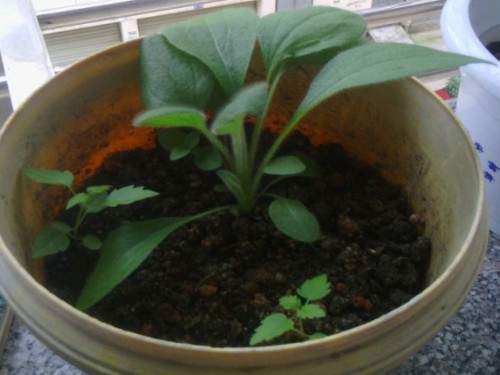
How to Propagate Black-Eyed Susan
Black-eyed Susan can be propagated by seed, cuttings, and division. So how is black-eyed Susan propagated in each of these ways? 1. Growing black-eyed Susan from seed: Black-eyed Susan is usually sown in spring and autumn. Sowing in March of spring means it can bloom in June and July.
-

What plant is the black-eyed Susan? An introduction to the black-eyed Susan flower
Black-eyed Susan What is the black-eyed Susan
-

How to Grow Black-Eyed Susan? Detailed Guide to Growing Methods and Tips
Growing Methods for Black-Eyed Susan, Growing Tips for Black-Eyed Susan
-

Harvesting and Fresh-keeping Methods for Black-eyed Susan Cut Flowers
[Other Chinese Names]Dui Xin Ju, Black-eyed Susan, Black-eyed Coneflower, Black-eyed Susan, Black-eyed Coneflower, Sunflower, Featherleaf Coneflower[Family and Genus]Asteraceae, Rudbeckia[Place of Origin]North America[Plant Characteristics]Black-eyed Susan is a perennial herbaceous plant with persistent roots. The plant height is 30-120 cm. The flower head is 3-5 cm in diameter; the ray florets are bright yellow; the disc florets are purple-black, densely arranged in a spherical shape. The natural flowering period is from June to September.[Cut Flower Harvesting]The harvested part is the flower head of Black-eyed Susan with its stem. It can be harvested after most of the ray florets have opened, and the operation
-
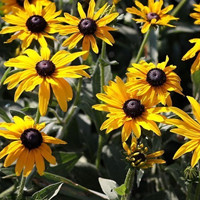
What is the common name of black-eyed Susan?
Black-eyed Susan is a herbaceous plant in the genus Rudbeckia, family Asteraceae, native to the eastern United States, and it is cultivated in many parts of China.
-
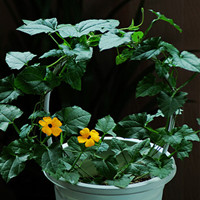
What are the characteristics of Black-eyed Susan vine? An introduction to its morphological features and growth habits
Black-eyed Susan vine (Thunbergia alata) is a flowering plant suitable for cultivation, and it can climb when growing vigorously. When it blooms, it mainly produces golden-yellow flowers that are very bright and vivid.
-
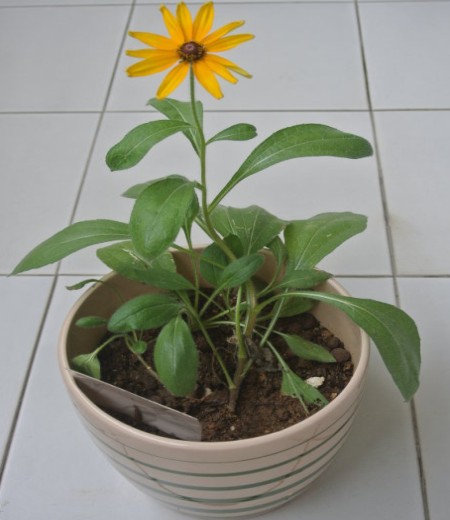
How to Grow Black-Eyed Susan
Black-eyed Susan, full name: black-eyed Susan (Rudbeckia hirta L.), Asteraceae, genus Rudbeckia, annual or biennial herbaceous plant. The flower center is raised and purple-brown, while the ray florets around it are golden yellow. The flowering period runs from early summer to frost. Cultivated varieties have ray flowers in tung-brown and chestnut-brown, with double-flowered and semi-double-flowered types.
-
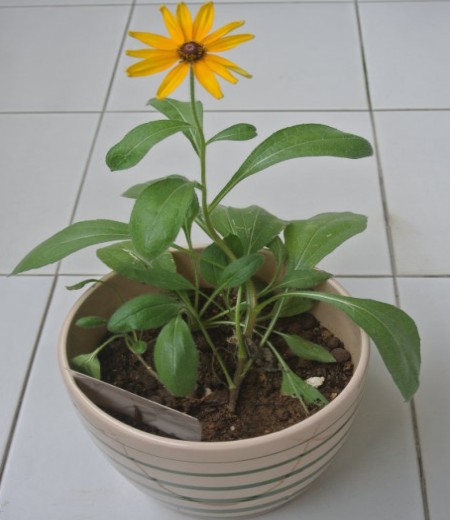
How to grow black-eyed Susan
At the entrance of the Cormorant Cottage at the hometown of Xi Shi, a large patch of black-eyed Susan is in bloom. Such a beautiful flower, just because its center is black, has been given such a name. Every time I walk past them, I feel wronged on behalf of these flowers, and even somewhat resent the person who named them. They say the face reflects the heart
-

How to Propagate Black-Eyed Susan Vine by Seed? A Detailed Guide to the Method
Tools Needed: For seed propagation, you will need a flower pot, potting soil, a trowel, seeds, a watering can, and so on. Preparation Work: Seeds. Before propagating by seed, the first thing to do is choose seeds. Select healthy black-eyed Susan vine seeds, dry them in the sun, and then store them to prevent the seeds from germinating or becoming moldy.
-
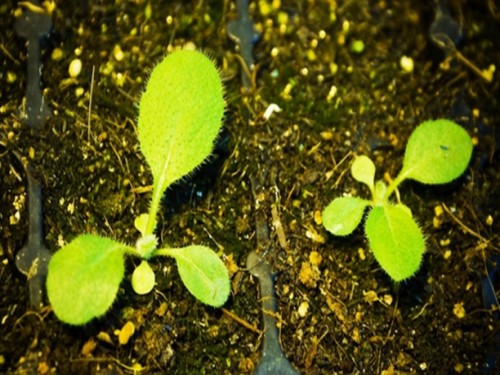
Complete Guide to Sowing Black-eyed Susan Seeds
Black-eyed Susan is a perennial herb of the genus Rudbeckia in the Asteraceae family. The plant height is 60-100 cm, and the flowering period is from June to October. The ray florets are yellow, sometimes with brownish-yellow bands, and the disc florets are dark brown. The stems are relatively stout, covered with soft hairs, slightly branched, and winged. The alternate leaves are rough, oblong to narrowly lanceolate.
条件筛选