-

How to Grow Black-Eyed Susan Vine? Detailed Guide to Growing Methods and Precautions
Black-eyed Susan vine (Thunbergia alata) is a plant introduced and cultivated in China from abroad, grown mainly for its flowers. The flowers of the black-eyed Susan vine are fairly similar to those of chrysanthemums; the flowers are generally commonly seen in orange, and the center of the flower has a black eye, which is how it got its name. Nowadays, the number of people growing black-eyed Susan vine
-
Black-eyed Susan: Detailed Guide to Planting Methods and Precautions
Because black-eyed Susan has relatively high economic value. So the economic benefits that can be brought by planting black-eyed Susan are very high. Although black-eyed Susan is not native to our country, black-eyed Susan has already become an important economic crop planted by farmers in our country. Interested friends
-
When to sow black-eyed Susan? A detailed guide to planting methods
Black-eyed Susan is also known as black-eyed coneflower. Although its name says "black-eyed," it actually also has green-centered, purple-centered, red-centered and other colored centers. This is a flower completely let down by its name. It is native mainly to North America, is a perennial herbaceous plant, and is mostly grown as an annual or biennial.
-
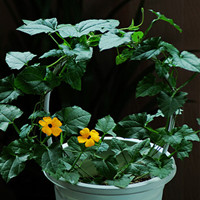
What are the characteristics of Black-eyed Susan vine? An introduction to its morphological features and growth habits
Black-eyed Susan vine (Thunbergia alata) is a flowering plant suitable for cultivation, and it can climb when growing vigorously. When it blooms, it mainly produces golden-yellow flowers that are very bright and vivid.
-
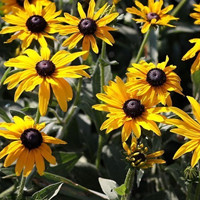
What is the common name of black-eyed Susan?
Black-eyed Susan is a herbaceous plant in the genus Rudbeckia, family Asteraceae, native to the eastern United States, and it is cultivated in many parts of China.
-
What are the cultivation methods and uses of black-eyed Susan?
How to grow black-eyed Susan and what are its uses
-

Detailed Explanation of Key Cultivation and Propagation Techniques for Black-Eyed Susan
Black-eyed Susan, also known as black-hearted flower. It belongs to the Asteraceae family, Rudbeckia genus, and is a perennial herbaceous plant. It is generally grown as a biennial or annual. Native to southern North America. Ecological habits: Black-eyed Susan prefers a sunny and well-ventilated growing environment, is cold-tolerant and drought-tolerant, and is not particular about soil. Seed propagation: Black-eyed Susan is generally sown in spring and autumn
-
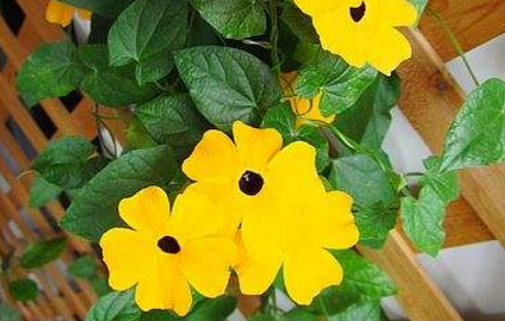
Why does Black-eyed Susan need especially careful care in winter?
The reason it is said that Black-eyed Susan needs careful care in winter is simply that Black-eyed Susan is not a very cold-tolerant plant, so care is needed in winter to prevent it from dying. From reference materials and the care experience of some gardeners,
-

How to Propagate Black-Eyed Susan Vine by Seed? A Detailed Guide to the Method
Tools Needed: For seed propagation, you will need a flower pot, potting soil, a trowel, seeds, a watering can, and so on. Preparation Work: Seeds. Before propagating by seed, the first thing to do is choose seeds. Select healthy black-eyed Susan vine seeds, dry them in the sun, and then store them to prevent the seeds from germinating or becoming moldy.
-
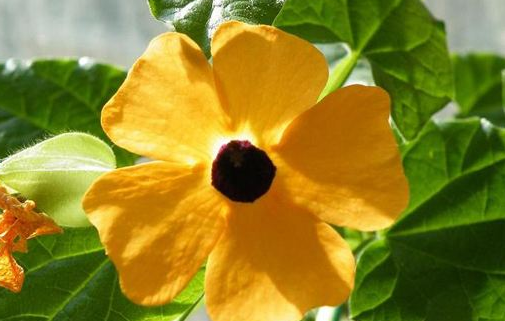
How to Grow and Care for Black-Eyed Susan Vine
Environment: It likes a warm and humid environment and prefers plenty of sunlight. The optimal growing temperature is 20-30°C. It is not cold-tolerant; once the temperature drops below 8°C, it is difficult to maintain normal growth. Fertilizer: It is a plant that greatly loves fertilizer, and once it begins to grow, fertilizing must be carried out strictly.
条件筛选