Detailed Explanation of Wood Ear Mushroom Inoculation Techniques: Master the Key Operational Steps
There are many raw materials suitable for bag cultivation of Auricularia polytricha (hairy wood ear), such as mixed wood sawdust, cottonseed hulls, broken cottonseed, bagasse, mulberry branches, cassava stalks, rice straw, soybean stalks, peanut vines, and so on. Except for mixed wood sawdust, cottonseed hulls, broken cottonseed, and bagasse, the remaining raw materials must be crushed into powder before they can be used for production. The bag cultivation process for Auricularia polytricha is similar to that for golden needle mushroom (Flammulina velutipes) bags...
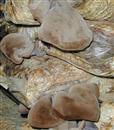 1. Disinfect the mushroom yard and mushroom logs (disinfection chemicals or burning will do; sterilize the tools used with alcohol or boiling water; workers can wash with soapy water). Choose a shady spot to carry out the work, do not let direct sunlight hit the spawn, and by all means avoid doing it on rainy days.
2. Inoculation time is generally from February to early May; in autumn, it can be done anytime between White Dew and Cold Dew. When inoculating, choose different tools depending on the type of spawn, such as branch spawn or triangular wood spawn: use a hatchet to cut notches, stuff sawdust together with the branch or triangular wood into the cut notches, and tap lightly with the back of the axe, just enough so they do not fall out; for sawdust spawn or granular spawn, use a 10 mm hand drill, hole punch, or hollow chisel to make holes, insert the spawn into the holes, cover with bark, and tap lightly to secure.
3. For spawning density, the usual row spacing is 2 cun and plant spacing is 2.5-3 cun, arranged in a "pin" shape or staggered in a plum-blossom pattern. The two ends of the mushroom log should have a higher density so that the mycelium can quickly occupy the territory and prevent contamination by competing microorganisms. For spawning depth, it should penetrate through the bark and enter the xylem by 3-4 fen.