-
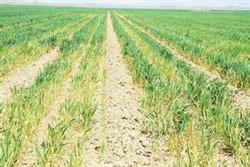
High-yield Cultivation Experience and Methods for Rainfed Spring Wheat
Dead wheat seedlings in winter wheat refers to the freeze damage that occurs during overwintering and early spring due to low temperatures, and it is one of the common disasters in wheat production. To achieve high and stable wheat yields and the goal of high quality and increased efficiency, it is essential to ensure a reasonable wheat population and a sufficient number of spikes per mu, so preventing the occurrence of dead wheat seedlings is particularly important...
-
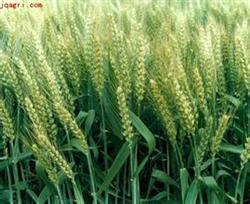
To achieve high yields in winter and spring wheat, building a solid foundation is key
Henan Province is a major wheat-producing province. In recent years, the state and the province have introduced a series of policies beneficial to farmers, supporting the development of wheat production, which has greatly improved the agricultural production conditions in our province and continuously raised the production level. The total wheat output and per-unit yield have hit record highs for 5 consecutive years. In 2007, the wheat sown area reached 75.66 million mu, and in 200...
-
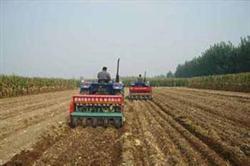
Key Techniques for Winter and Spring Control of Wheat Red Spider Mites
Seven parts planting, three parts management: improving sowing quality is the key to a grain harvest. At present, spring wheat in our province is about to enter the sowing period. How well the sowing stage is handled and sowing quality improved has a bearing on the overall success of the spring wheat harvest for the whole year. 1. Selecting improved varieties. To achieve a bumper wheat harvest, soil is the foundation, fertilizer is the nutrition, and water is the lifeblood, ...
-
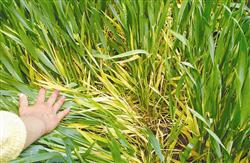
Control methods for common pests and diseases of wheat in spring
Spring is a critical period for wheat growth and also a time when diseases and insect pests occur frequently. Therefore, spring management of wheat should pay attention to the prevention and control of pests and diseases. Below are several common wheat pests and diseases in spring and their control methods: Wheat rust and powdery mildew: in areas where the disease is severe and obvious disease centers have formed, spray pesticide promptly,...
-
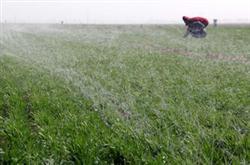
Spring lodging prevention in wheat: these management techniques you need to master
Water and fertilize well at the standing-up and jointing stages. Applying nitrogen fertilizer during the standing-up and jointing stages of wheat can both significantly increase protein content and is a key period for raising wheat yield. Therefore, the standing-up and jointing fertilizer and water should be applied according to local conditions. Wheat grain yield and protein content depend to a large extent on the nitrogen supply level during the development period. At every 66... ⟧3⟧ 1. Spraying paclobutrazol: At the standing-up stage of wheat, spray 30 kg of 200 ppm paclobutrazol solution per mu. This can dwarf the plants, enhance lodging resistance, and also control wheat powdery mildew and improve the plant's absorption and utilization rate of nitrogen.
-
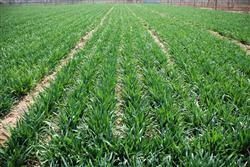
Nine methods of seed treatment before spring sowing of wheat
As the climate warms, wheat successively enters the stages of greening, standing up, and jointing. This stage is an important period for wheat to promote weak seedlings to become strong and to control vigorous growth for steady development, and it is also a key stage for the prevention and control of wheat pests and diseases. In response to the characteristics and existing problems of wheat pest, disease, and weed damage this year, a reporter recently interviewed Northwest...
-
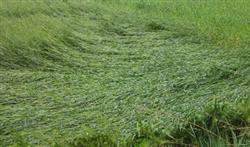
How to prevent spring wheat from freezing damage? Practical anti-freezing methods
"Lodging" is one of the main obstacles affecting wheat yield under high-fertilizer and high-water conditions. In recent years, the promotion and application of plant growth regulators in wheat production has opened up a new way to prevent lodging and promote yield increases, and is an important supporting technical measure for high and stable wheat yields. 1. Spraying paclobutrazol: during the wheat stem elongation stage, every...
-
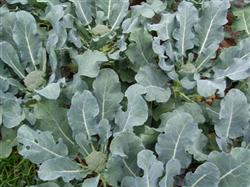
Five key techniques for open-field cultivation of broccoli in spring
When broccoli for export is grown in open fields in spring, its growth and development take place in a season of gradually rising temperatures and increasingly severe pests and diseases. In cultivation, as long as the five key points are handled well, high yields and high efficiency can be achieved, and the requirements of foreign buyers can also be met. 1. Sowing at the right time. For spring open-field broccoli, varieties with strong resistance, tolerance to high temperatures, and tight, uniform heads can be used, such as Hei Lu and Dongjing Lu...
-
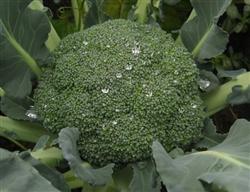
Key Techniques for Open-Field Cultivation of Broccoli in Spring
When broccoli is grown in open fields in spring, its growth and development take place in a season of gradually rising temperatures and increasingly severe pests and diseases. However, in cultivation, as long as the following five key techniques are mastered, high yield and high efficiency can be achieved while also meeting market demand. 1. Sow at the right time. For open-field cauliflower cultivation in spring, varieties with strong disease resistance and tolerance to high temperatures...
-
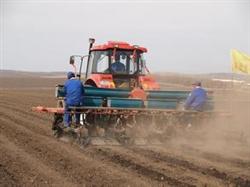
Detailed Explanation of Spring Soybean Cultivation Techniques and Management Points
I. Precipitation and temperature conditions from last winter to this spring. In the autumn and winter of last year, the northeast region suffered severe drought, with precipitation lower than normal and insufficient soil moisture. From January to October 2007, the average precipitation in Heilongjiang Province was 402 mm, 20% less than the same period in previous years. In addition, the widespread "dry sealing of the soil" at the onset of winter this year is not conducive to soil moisture retention...
条件筛选