How to prevent spring wheat from freezing damage? Practical anti-freezing methods
"Lodging" is one of the main obstacles affecting wheat yield under high-fertilizer and high-water conditions. In recent years, the promotion and application of plant growth regulators in wheat production has opened up a new way to prevent lodging and promote yield increases, and is an important supporting technical measure for high and stable wheat yields. 1. Spraying paclobutrazol: during the wheat stem elongation stage, every...
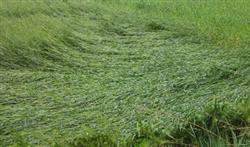 After wheat enters the reviving stage, it moves from the thermosensitive phase to the photoperiod-sensitive phase, and the cold resistance of the wheat seedlings decreases significantly. Once a late spring cold snap occurs, the plants are highly susceptible to freezing damage. For this reason, combined with early spring wheat field management, several effective anti-freezing methods are introduced below.
Hoeing Carrying out hoeing on frozen soil when the soil is thawing and rising can loosen the soil, conserve moisture, increase temperature, and control weeds, enhancing the cold resistance of the wheat seedlings. According to observations, generally 7 to 10 days after hoeing, the average ground temperature within the 5 cm soil layer during the day increases by 0.5°C to 1°C, which is very beneficial for promoting root development and nutrient transformation. Therefore, regardless of whether the seedlings are weak, excessively vigorous, or strong, hoeing should be done promptly during the reviving stage; for wheat fields with a tendency toward excessive growth, deeper hoeing may also be done appropriately to suppress spring tillering. When hoeing, attention should be paid to keeping it shallow and fine, pushing apart clods while hoeing; if the soil is first compacted before hoeing, the soil can be prevented from bridging, thereby achieving the effect of loose topsoil and firm subsoil, and conserving and drawing up soil moisture.
Compacting Compacting the wheat field in early spring can break up clods, close cracks, bring wheat roots into close contact with the soil, and prevent cold air from intruding and harming the wheat seedlings. At the same time, compacting also has the effect of drawing up soil moisture, can increase the water content of the surface soil layer, and helps reduce low-temperature cold damage.
Fertilizing Applying fertilizer to wheat in early spring can make up for the consumption of soil fertility in winter, increase nutrient accumulation, promote the reviving growth of wheat seedlings, and resist or reduce early spring freezing damage. For early spring fertilization of wheat, the favorable opportunity when the soil has just thawed should be seized, and deep application in furrows should be carried out using soil moisture; generally, watering should not be done, so as to avoid lowering the ground temperature and affecting the growth of the wheat seedlings.
Spraying chemicals From the reviving stage to the stem elongation stage of wheat, spraying 30 to 40 kg of 200×10-6 paclobutrazol solution per mu can inhibit the growth of wheat seedlings and enhance cold resistance.