-
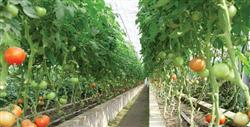
What are the key technical points for foliar spraying of micronutrient fertilizers on vegetables?
Micronutrient fertilizers are indispensable nutrient elements in the growth and development of vegetables. Diluting micronutrient fertilizers and applying them as foliar fertilizer costs little, takes effect quickly and gives high returns. The key technical points are: 1. Spraying concentration. Only a suitable concentration can achieve good results; in particular, the concentration must not be too high, otherwise it is not only useless but harmful....
-
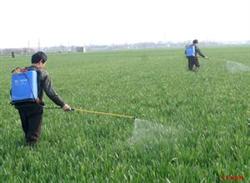
Two key points to master when spraying insecticides
First, choose the favorable time period for application according to climate characteristics and the pests' day-and-night activity patterns. The best application times are 9-10 a.m. and after 4 p.m. This is because at 9-10 a.m., the dew on crop leaves has already dried, and it is precisely when diurnal pests are most active. Applying the insecticide at this time will not...
-
How to choose insecticide application timing and spraying site
1. Chlorpyrifos is prone to causing phytotoxicity when used during the melon seedling stage, and its use should also be avoided during the flowering period of some crops. 2. Pesticides containing triazophos are not suitable for use on fruit cane, as they easily cause phytotoxicity. 3. Because phoxim decomposes readily when exposed to light, its use should be avoided during the watermelon growing period and the seedling stage of radishes and leafy vegetables (even during the growing period...
-
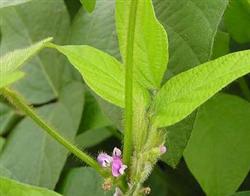
What are the precautions for spraying foliar fertilizer on soybeans?
Foliar fertilization of soybeans has the advantages of small dosage, quick results, high fertilizer efficiency and good effect, and has been widely promoted and applied in recent years. However, because some farmers mistakenly believe that foliar fertilization is "beneficial and harmless, the more the better," in actual practice there are problems such as randomly choosing the type of fertilizer, randomly increasing the dosage, randomly...
-
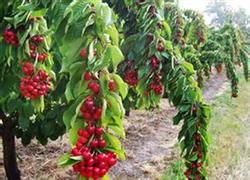
Correct Methods and Techniques for Spraying Foliar Fertilizer on Fruit Trees
Spraying Period and Dosage 1. Nitrogen fertilizer should generally be used in the early and late stages of fruit tree growth, appropriately combined with phosphorus and potassium fertilizers. An appropriate spraying concentration can effectively promote new shoot growth, increase fruit yield, and benefit flower bud differentiation. The concentration for urea is 0.2-0.3% in the early stage and 0.3-0.5% in the late stage; for decomposed human manure...
-
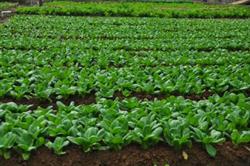
Foliar fertilizer spraying methods for vegetables vary by variety
Leafy vegetables such as Chinese cabbage, spinach, shepherd's purse, etc. need more nitrogen, so the fertilizer sprayed should mainly be urea and ammonium sulfate, with a urea spraying concentration of 1%-2% and ammonium sulfate of 1.5%, sprayed 2-4 times per season, preferably during the early growth stage. Fruiting vegetables such as chili peppers, eggplants, tomatoes, green beans and various melons have a...
-
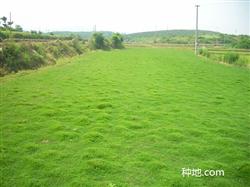
Why does spraying herbicides cause phytotoxicity?
Which types of herbicides should not be used on lawns? Seeking advice: try not to use the following lawn herbicides: 1. Herbicides with a long residual life, including imidazolinone herbicides such as imazethapyr, sulfonylurea herbicides such as metsulfuron-methyl, tribenuron-methyl, tribenuron-methyl, etc., and heterocyclic herbicides such as clomazone, etc. These types of herbicides have a relatively long residual life in the soil, and once used...
-
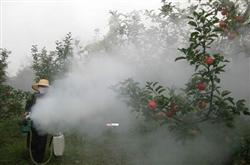
What are the precautions for spraying urea?
What should be noted when spraying urea? Here are the precautions for spraying urea: 1. Do not spray in extremely hot weather or before rain, to avoid burning the seedlings or losing fertilizer nutrients. The best time to spray is in the early morning or afternoon each day, and spray again 7~10 days after the first application. 2. When spraying on cereal crops or crops with smooth leaves...
-
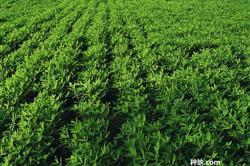
The Correct Method for Spraying Foliar Fertilizer on Peanuts
How should foliar fertilizer be sprayed on peanuts? Please advise. Foliar fertilization of peanuts has the effects of a high fertilizer absorption and utilization rate, saving fertilizer, and significantly increasing yield. When nitrogen fertilizer is applied to the leaves, the absorption and utilization rate by peanut plants reaches more than 55.5%, the number of full pods increases markedly, and the economic coefficient rises significantly; when phosphorus fertilizer is applied to the leaves, the yield can generally be increased by 7%-10%...
-
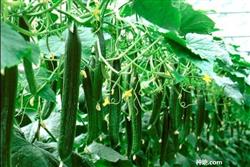
What to pay attention to when spraying foliar fertilizer on vegetables
What should be paid attention to when spraying foliar fertilizer on vegetables? Please guide. Leafy vegetables such as Chinese cabbage, spinach, shepherd's purse, etc. need more nitrogen, so the fertilizer sprayed should mainly be urea and ammonium sulfate. The spraying concentration should be 1%-2% for urea and 1.5% for ammonium sulfate, sprayed 2-4 times per season, preferably in the early growth stage. Melon and fruit vegetables such as...
条件筛选