-
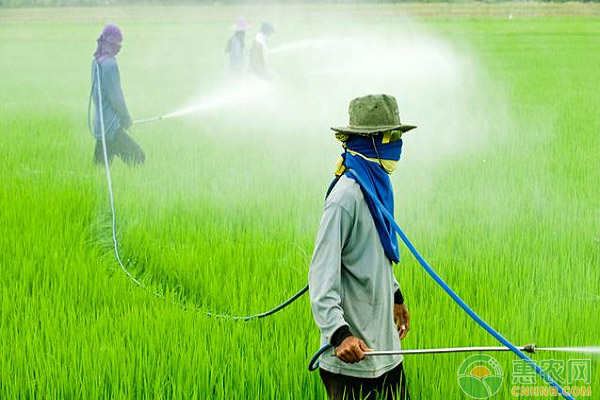
Several key points for mixing foliar fertilizer with pesticides; if you don't get them right, you're likely spraying for nothing
When mixing foliar fertilizer with pesticides, pay attention to the following several key points, otherwise you're spraying for nothing
-
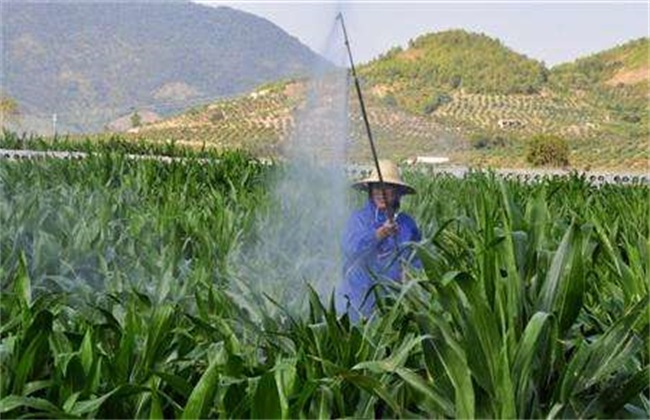
What are the precautions for spraying foliar fertilizer? Keep these points in mind
Precautions for spraying foliar fertilizer
-
What types of foliar fertilizers are there? A detailed explanation of spraying precautions
Foliar fertilizer is a type of fertilizer in which nutrients are applied to the leaf surface of crops and perform their basic functions through absorption by the leaves. Plant leaves have two layers of epidermis, the upper and lower, composed of epidermal cells. On the outer side of the upper epidermal cells there is a cuticle and wax, which can protect the mesophyll cells beneath the epidermal tissue in carrying out photosynthesis, respir...
-
What are the precautions for spraying foliar fertilizer on rice?
Timing is generally most suitable at the late booting, initial heading, grain filling and full heading stages of early rice, and spraying one mu once takes more than an hour. If spraying fertilizer coincides with the heading and flowering stage, it should be sprayed in the morning before flowering and after 4 p.m. Processed liquid fertilizers such as various quick-acting nitrogen, phosphorus and potassium fertilizers, monopotassium phosphate, triacontanol, borax,...
-
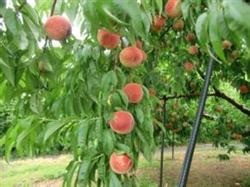
What is the correct method for spraying foliar fertilizer on fruit trees
Foliar feeding of fruit trees means mixing solid fertilizer into a water solution of suitable concentration and spraying it onto the leaves, so that it enters the tree through epidermal cells and stomata and takes effect. This method is simple and easy to carry out, uses little fertilizer, acts quickly, can meet the urgent nutrient needs of fruit trees, and helps correct nutrient deficiency symptoms. Scientific...
-
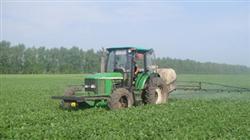
Correct Application Methods and Key Spraying Points for Foliar Fertilizers
1. Different foliar fertilizers have different application concentrations; higher is not always better. 2. Different crops and different growth stages respond differently to foliar fertilizers. 3. Different crops react differently to foliar fertilizers. 4. How well a foliar fertilizer dissolves and its dilution concentration greatly affect the spraying results...
-
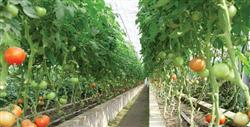
What are the key technical points for foliar spraying of micronutrient fertilizers on vegetables?
Micronutrient fertilizers are indispensable nutrient elements in the growth and development of vegetables. Diluting micronutrient fertilizers and applying them as foliar fertilizer costs little, takes effect quickly and gives high returns. The key technical points are: 1. Spraying concentration. Only a suitable concentration can achieve good results; in particular, the concentration must not be too high, otherwise it is not only useless but harmful....
-
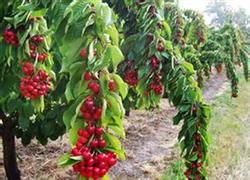
Correct Methods and Techniques for Spraying Foliar Fertilizer on Fruit Trees
Spraying Period and Dosage 1. Nitrogen fertilizer should generally be used in the early and late stages of fruit tree growth, appropriately combined with phosphorus and potassium fertilizers. An appropriate spraying concentration can effectively promote new shoot growth, increase fruit yield, and benefit flower bud differentiation. The concentration for urea is 0.2-0.3% in the early stage and 0.3-0.5% in the late stage; for decomposed human manure...
-
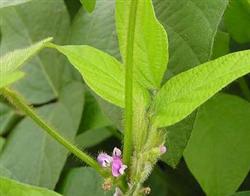
What are the precautions for spraying foliar fertilizer on soybeans?
Foliar fertilization of soybeans has the advantages of small dosage, quick results, high fertilizer efficiency and good effect, and has been widely promoted and applied in recent years. However, because some farmers mistakenly believe that foliar fertilization is "beneficial and harmless, the more the better," in actual practice there are problems such as randomly choosing the type of fertilizer, randomly increasing the dosage, randomly...
-
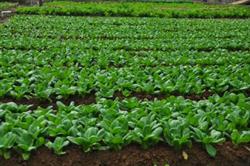
Foliar fertilizer spraying methods for vegetables vary by variety
Leafy vegetables such as Chinese cabbage, spinach, shepherd's purse, etc. need more nitrogen, so the fertilizer sprayed should mainly be urea and ammonium sulfate, with a urea spraying concentration of 1%-2% and ammonium sulfate of 1.5%, sprayed 2-4 times per season, preferably during the early growth stage. Fruiting vegetables such as chili peppers, eggplants, tomatoes, green beans and various melons have a...
条件筛选