-

Great tricks for controlling pests in vegetables without spraying pesticides - how many do you know?
There are many ways to control vegetable pests without spraying. It mainly depends on where you are growing, the growing area, whether it is open ground, protected cultivation, a modern agricultural park, or a small family balcony vegetable...
-

Accidentally Found a Huge Sum of Money While Spraying Pesticides, but Half a Month Later It Brought Disaster to Her Son
Author of the daily story app: Muzi Lanlan | Reproduction prohibited 1 When the sky showed the first pale light of dawn, Yuxiu got up, bolted down two mouthfuls of leftover rice, put on a dark black...
-

How Many Times a Year Should Apple Trees Be Sprayed? A Detailed Guide to Pesticide Selection and Spraying Timing
Every kind of fruit tree is different, and even large trees and small trees differ. The pests and diseases to be controlled also vary from region to region. The main common fungal diseases of apple trees are: leaf spot disease...
-

Pests and diseases cannot be controlled without spraying pesticides, but spraying them harms your health. What should farmers do?
As the saying goes, "Food is the first necessity of the people." With the development of agriculture, pesticides are widely used. Without spraying pesticides, pests and diseases cannot be controlled, while the various diseases caused by pesticide residues...
-

Growing vegetables without spraying pesticides: homemade insecticides work better, and you can eat with peace of mind.
Anyone who has grown vegetables knows that as long as you grow vegetables, there will be all kinds of pests. Among leafy vegetables, the cabbage caterpillar (Pieris rapae) does the most serious damage; among solanaceous and fruiting vegetables, the whitefly (Trialeurodes vaporariorum) troubles many vegetable growers; and chives...
-

How can pesticide spraying save costs and reduce pollution?
Pesticide spraying methods that save costs and reduce pollution
-
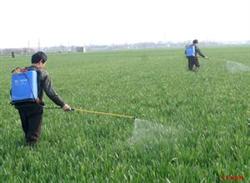
Two key points to master when spraying insecticides
First, choose the favorable time period for application according to climate characteristics and the pests' day-and-night activity patterns. The best application times are 9-10 a.m. and after 4 p.m. This is because at 9-10 a.m., the dew on crop leaves has already dried, and it is precisely when diurnal pests are most active. Applying the insecticide at this time will not...
-
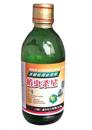
How to choose insecticide application timing and spraying site
1. Chlorpyrifos is prone to causing phytotoxicity when used during the melon seedling stage, and its use should also be avoided during the flowering period of some crops. 2. Pesticides containing triazophos are not suitable for use on fruit cane, as they easily cause phytotoxicity. 3. Because phoxim decomposes readily when exposed to light, its use should be avoided during the watermelon growing period and the seedling stage of radishes and leafy vegetables (even during the growing period...
-
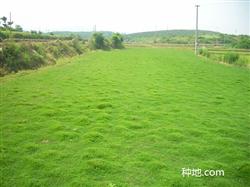
Why does spraying herbicides cause phytotoxicity?
Which types of herbicides should not be used on lawns? Seeking advice: try not to use the following lawn herbicides: 1. Herbicides with a long residual life, including imidazolinone herbicides such as imazethapyr, sulfonylurea herbicides such as metsulfuron-methyl, tribenuron-methyl, tribenuron-methyl, etc., and heterocyclic herbicides such as clomazone, etc. These types of herbicides have a relatively long residual life in the soil, and once used...
-
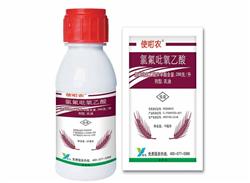
What precautions should be taken when spraying herbicides in winter?
What are the characteristics of using herbicides in winter? How can herbicides be applied in winter for good results? Experienced readers are also asked to help answer. Generally, when herbicides are applied during low-temperature periods, the efficacy is released slowly, the ability of weeds to absorb the chemicals decreases, and control effectiveness is reduced. Therefore, when applying herbicides in winter, the following key points should be mastered....
条件筛选