-
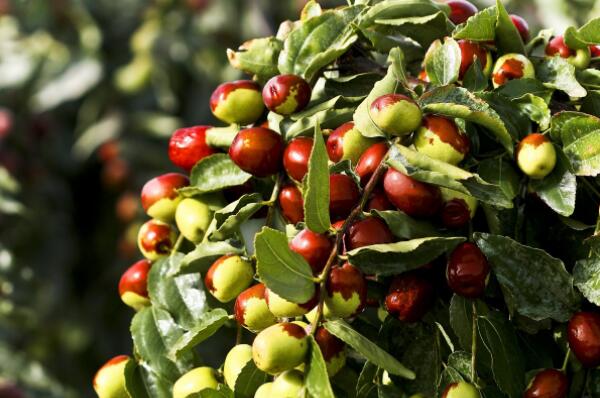
Where Is the Small Jujube Tree Suited to Grow? A Detailed Guide to Planting Time and Pest Control Spraying
The jujube tree is a deciduous small tree, rarely a shrub, reaching over 10 m tall; the bark is brown or grayish-brown; it flowers from May to July and fruits from August to September. So where is it suited to grow? When is the best time to plant it? What pesticide should be used when pests appear? Where is the jujube tree suited to grow? The jujube tree is a positive heliophyte of the warm temperate zone. It loves light
-

The Correct Method for Spraying Nano Magnetic Energy Liquid on Soybeans
This year, driven by the market, farmers across our province have shown exceptionally high enthusiasm for planting soybeans, adopting high-yield practical cultivation techniques and increasing their inputs, achieving uniform, complete and vigorous seedlings, laying a solid foundation for a large-scale bumper harvest. Recently, many farmer friends have called to ask how Nongwang Nano Magnetic Energy Liquid should be sprayed. Here is a brief introduction: 1. Foliar spraying: What does Nongwang Nano Magnetic Energy Liquid do? Nano Magnetic Energy Liquid is a non-chemical product, a magnetic liquid prepared using the method of magnetic drug bioengineering.
-
Spraying cotton with seven liquids can increase yield by 100 jin
According to many years of trials by our local agricultural science institute and cotton-grower science households, spraying the following nutrient liquids mixed with pesticide during pest control at different growth stages of cotton can effectively increase yield by 20%-30%. The methods are described below: 1. Chicken manure liquid: take 3 kg of fermented dry chicken manure, 2. add 7.5 kg of water, 3. soak for 30 hours, 4. then boil for 2-5, 3 hours, 6. filter out the residue, 7. then ferment again, 8. until white mold appears on the liquid surface, 9. filter out the white mold, 10. add 50 kg of water, 11. spray evenly on 1 mu of cotton field. 12. Rabbit manure liquid:
-
Spraying cotton with fertilizer boosts yield and reduces pests and diseases
Spraying nitrogen fertilizer: Urea has the effect of destroying insect chitin. When cotton aphids (especially summer aphids) occur, mix urea, laundry detergent and water in a ratio of 4:1:400 to prepare a "wash-urea mixture" and spray it, which has a clear killing effect. Spraying phosphorus fertilizer: During the adult occurrence period of cotton bollworm, using 1%-2% superphosphate leachate as a foliar spray fertilizer can convert oxalic acid into calcium oxalate and cause it to lose its attraction to cotton bollworm. The residual effect of each phosphorus spray is generally 2-3 days. Spraying potassium fertilizer: Use 10 kg of plant ash, add 50 kg of water, soak
-
Technical Points for Spraying Foliar Fertilizer on Cotton to Increase the Boll Setting Rate
This year, the summer-ripening crops in Haimen City were delayed in maturity due to climate effects, and after the summer harvest there was a continuous drought until mid-July, when it rained heavily for several consecutive days. This weather pattern of drought followed by rain was very unfavorable for the survival and growth of the already delayed transplanted cotton, and the growth process was delayed by about 10 days compared with normal years. To increase the formation speed of flower buds in the late stage of cotton and improve the boll setting rate, it is recommended to strengthen fertilizer management in the late stage by means of foliar spraying. 1. Combine pest control with proper timing of fertilizer application. Not every pest control treatment requires
-
What are the benefits of spraying mepiquat chloride on cotton?
Mepiquat chloride is a growth regulator specifically for cotton, with the effects of controlling excessive vegetative growth in cotton, regulating nutrient distribution, and increasing boll set. Entering September, cotton growth and development have reached the late boll-setting stage, so spraying an appropriate amount of mepiquat chloride, at 20 milliliters per mu, can reduce the occurrence of ineffective flower buds. After spraying on cotton, the leaves become greener and the leaf flesh thicker, which can effectively enhance cotton photosynthesis. After cotton is sprayed with mepiquat chloride, it can also make the fruiting branches in the upper part of the cotton plant grow sturdy, reducing the impact of pests such as cotton bollworm and tobacco cutworm. At the same time, in recent years due to climate
-
Five key points to remember when spraying foliar fertilizer on cotton
Cotton leaves are the most important nutritional organs of the cotton plant, possessing four functions: photosynthesis, respiration, transpiration and absorption. By making use of their absorption and photosynthesis, targeted foliar spraying of fertilizer can promote steady plant growth, strengthen resistance to disease, pests, drought and premature aging, regulate vegetative and reproductive growth, and greatly increase yield and quality. 1. Spray type: scientifically choose the foliar fertilizer according to the cotton's growth vigor; for excessively vigorous cotton seedlings, spray a 0.3%-0.4% potassium dihydrogen phosphate solution or a 2% borax solution
-
Reasonable spraying of brassin with Shuofeng 481 on cotton gives good results
Shuofeng 481 is a brassinolide product extracted from plant pollen and its derivatives. It comes from plants and acts on plants, with functions such as promoting cell division and elongation, promoting photosynthesis, delaying senescence and improving stress resistance, and combines multiple effects of auxin, gibberellin and cytokinin. Cotton is a crop with a relatively long growth period, and its growing season goes through a process from low temperature to high temperature and then to low temperature, and from high humidity to drought. Reasonably spraying brassin Shuofeng 481 throughout the whole growth period of cotton promotes cotton growth and improves its
-
Which parts need attention when spraying cotton?
Practice has shown that for cotton to yield well, management is key. In the growth and management of cotton, spraying pesticide is an important part of that management. The pests that commonly occur on cotton include: aphids, red spider mites, mirids (plant bugs), pink bollworms, cotton bollworms, diamondback moths, and so on. These pests lay eggs and cause damage in different places, so when spraying you must pay attention to the location. During the cotton seedling stage, aphids, red spider mites and others cause damage on the underside of the cotton leaves, so when spraying pesticide, the spray solution must be applied to the underside of the leaves. The pink bollworm that occurs in the middle and late stages of cotton lays eggs on tender tips, tender stems and the underside of tender leaves, and after bolls form
-
There is an art to spraying cotton, and methods matter even more in unfavorable weather
When spraying pesticides on cotton to control pests and diseases, unfavorable weather often affects spray quality, reduces control effectiveness, and can even cause pesticide damage. In response to this situation, in production practice I have adopted the following countermeasures according to different weather changes and achieved relatively good control results. Windy days On windy days, spraying pesticides causes uneven pesticide coverage on cotton plants, affecting control effectiveness. In response to this situation, pesticide varieties with systemic action and strong penetration can be selected. When spraying, the nozzle should be closer to the cotton plants to prevent the spray mist from being blown away by the wind and causing loss,
条件筛选