How Many Times a Year Should Apple Trees Be Sprayed? A Detailed Guide to Pesticide Selection and Spraying Timing
Every kind of fruit tree is different, and even large trees and small trees differ. The pests and diseases to be controlled also vary from region to region. The main common fungal diseases of apple trees are: leaf spot disease (including: spotted leaf spot, brown spot, round spot, etc.); fruit damage includes anthracnose, moldy core disease, etc.
Each place has different weather and planting structures, so management plans also differ. Everyone can discuss the specific situations together!
March: (dormant period, bud swelling period)
Before bud break, spray the whole orchard once with insecticide and fungicide
Targets for control:Valsa canker, ring rot, anthracnose, red and white spider mites, scale insects, aphids, etc., and little leaf disease.
Control methods:Spray the trunks and branches: 14.5% Duoxiaoling (copper ammoniacal complex) at 150 times dilution, or 43% tebuconazole at 2000 times dilution, etc., choose any one, add 40% chlorpyrifos at 700 times dilution, add 100 times dilution of urea; for orchards with severe little leaf disease, add 20-25 times dilution of zinc sulfate.
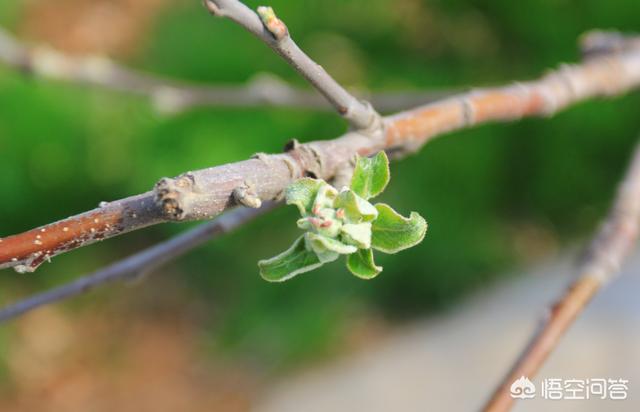
April: (flowering period)
Three days before flowering, spray the whole orchard once with insecticide and fungicide
Targets for control: powdery mildew, ring rot, red and white spider mites, leafminer moth, tortrix moth, aphids, etc.
Control methods:
Fungicides: 14.5% Duoxiaoling (copper ammoniacal complex) at 1000 times dilution, or 70% propineb at 700 times dilution, or 43% tebuconazole at 4000 times dilution, or 5% hexaconazole at 1200 times dilution, etc.,
Insecticides: 1.8% abamectin at 4000 times dilution, plus 40% chlorpyrifos at 1500 times dilution; to prevent late frost damage, add growth regulators such as Bihu.
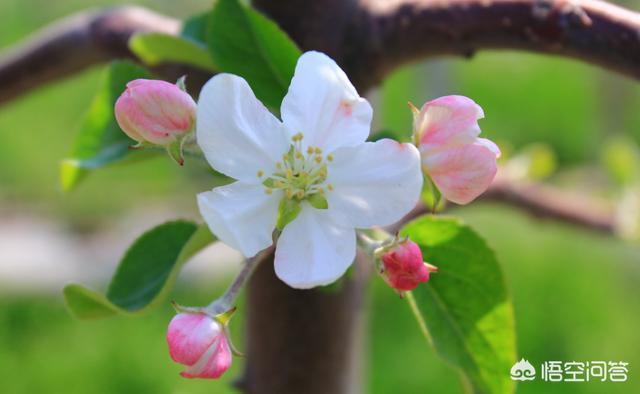
May: (young fruit period)
Pest and disease control: generally around May 10, 7-10 days after petal fall, spray the first application, then spray once every 7-10 days, for 3 consecutive applications. Note to use protective fungicides together with systemic fungicides, and add foliar calcium fertilizer.
7-10 days after petal fall (counted from when 80% of flowers have dropped)
Targets for control: ring rot, anthracnose, spotted leaf spot, red and white spider mites, Comstock mealybug, leafminer moth, tortrix moth, aphids, etc.
Control methods:
Fungicides: 70% propineb at 700 times dilution, or 80% mancozeb at 800 times dilution, plus 50% carbendazim at 600 times dilution or 70% thiophanate-methyl at 800 times dilution.
Insecticides and acaricides: 20% Miesijing at 2000 times dilution, or 24% spirodiclofen at 5000 times dilution plus 2% beta-cypermethrin-emamectin benzoate at 1500 times dilution, plus 10% imidacloprid at 3000 times dilution.
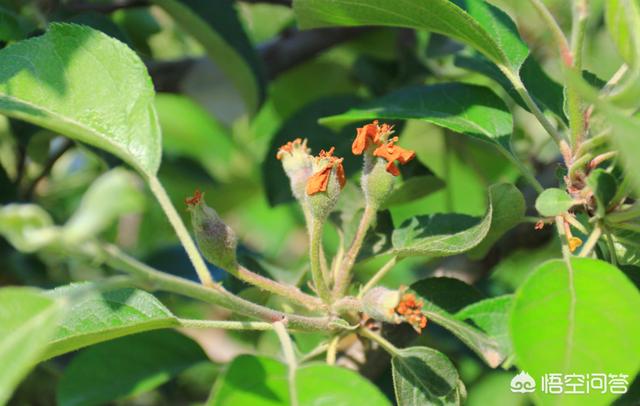
About 20 days after petal fall (around May 20)
Targets for control: ring rot, anthracnose, spotted leaf spot, Comstock mealybug, yellow aphid, gall aphid, cotton bollworm, leaf roller, etc.
Control methods:
Fungicides: 10% polyoxin at 1500 times dilution, or 43% tebuconazole at 5000 times dilution plus 70% thiophanate-methyl at 800 times dilution or 50% carbendazim at 600 times dilution.
Insecticides: 10% imidacloprid at 3000 times dilution, plus 52% beta-cypermethrin-chlorpyrifos at 1500 times dilution, or 10% cyhalothrin at 2000 times dilution.
June: (fruit enlargement period)
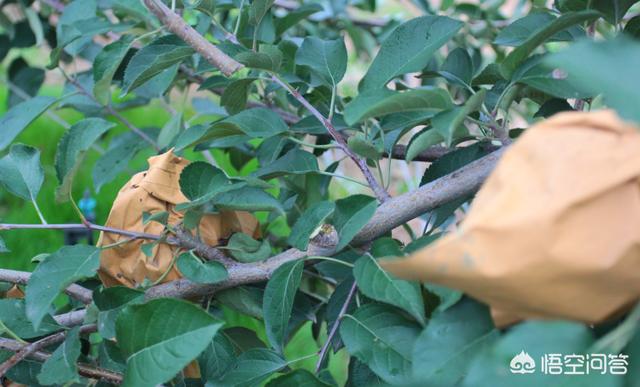
Pest and disease control: after bagging, immediately spray once with Bordeaux mixture in mid-June.
Three days before bagging
Targets for control: ring rot, anthracnose, spotted leaf spot, Comstock mealybug, aphids, peach fruit moth, etc.
Control methods:
Fungicides: 70% propineb at 600 times dilution, or 80% mancozeb at 800 times dilution, plus 70% thiophanate-methyl at 800 times dilution
Insecticides: 10% imidacloprid at 3000 times dilution, plus 40% chlorpyrifos at 1500 times dilution, plus 1.8% abamectin at 4000 times dilution
Acaricides: 25% azocyclotin at 2000 times dilution, or 24% spirodiclofen at 2000 times dilution
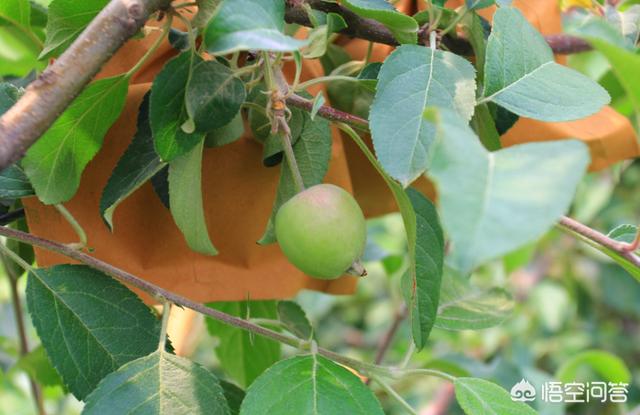
After bagging (around June 15-20)
Targets for control: ring rot, brown spot, peach fruit moth, etc.
Control methods:
Fungicides: 1:3:200 Bordeaux mixture
Insecticides: 20% cypermethrin-malathion emulsifiable concentrate at 1500 times dilution
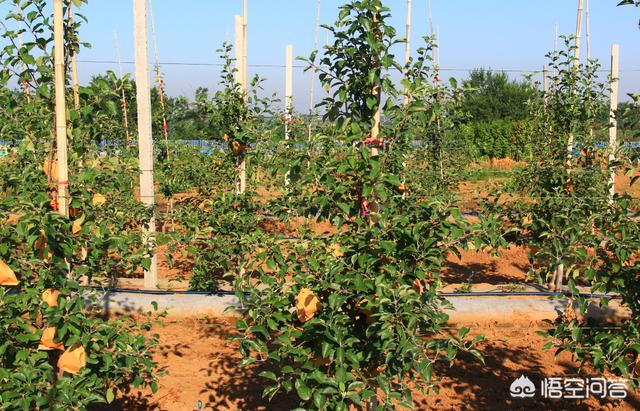
July: (fruit enlargement period)
Pest and disease control: spray insecticide and fungicide once each in early July and late July
August: (fruit enlargement period)
Pest and disease control: spray insecticide and fungicide once each in early August and late August
Early July to the end of August
Targets for control: spotted leaf spot, brown spot, leafminer moth, red and white spider mites, etc.
Control methods:
Commonly used fungicides: 1:2.5-3:200 Bordeaux mixture, or 43% tebuconazole at 5000 times dilution, or 10% polyoxin at 1500 times dilution, etc.
Insecticides and acaricides: 2% beta-cypermethrin-emamectin benzoate at 2000 times dilution, chlorfluazuron, abamectin-chlorbenzuron, 40% chlorpyrifos at 1500 times dilution, spirodiclofen, azocyclotin.
Notes: the number of applications depends on weather conditions. Bordeaux mixture and other fungicides should be used alternately. Insecticides and acaricides should be used flexibly according to pest conditions. The interval between Bordeaux mixture and other fungicides is about 15 days, and the interval between other fungicides is about 10 days.
September: (late fruit enlargement period to before bag removal)
Pest and disease control: three days before bag removal, spray the whole orchard once with insecticide and fungicide
Targets for control: spotted leaf spot, Lepidoptera, Coleoptera, Orthoptera and other pests and diseases.
Control methods: 43% tebuconazole at 5000 times dilution, or 10% polyoxin at 1500 times dilution, or 70% propineb at 700 times dilution, plus 70% thiophanate-methyl at 800 times dilution or 50% carbendazim at 600 times dilution, plus 2% beta-cypermethrin-emamectin benzoate at 1500 times dilution, etc.
The above is the relevant knowledge about how many times a year fruit trees should preferably be sprayed.
[To learn more about fruit tree knowledge and management and cultivation techniques, please follow my Toutiao account: Fairyland Little Horse]