-
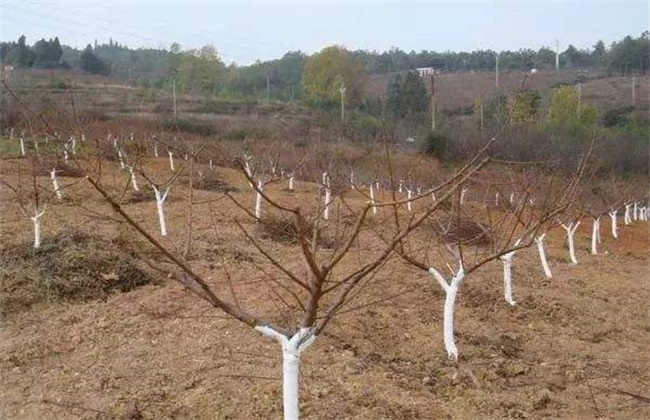
What is the purpose of whitewashing fruit trees? Explained clearly in one article
The purpose of whitewashing fruit trees
-
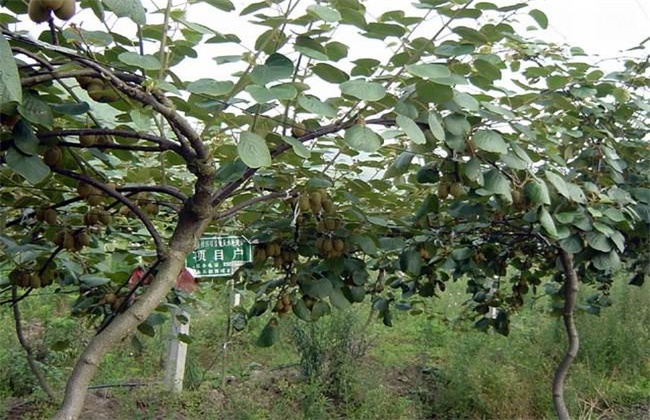
What are the methods for distinguishing male from female kiwifruit trees?
How to tell male from female kiwifruit trees
-
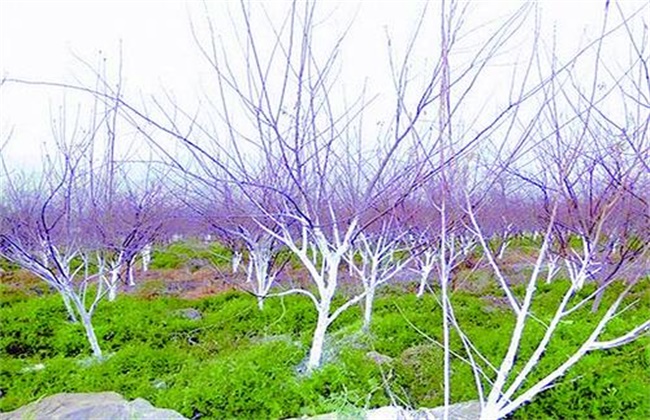
What are the methods and precautions for whitewashing fruit trees?
Fruit tree whitewashing methods and precautions
-

Key Technical Points and Precautions for Establishing a Jujube Orchard
The jujube tree belongs to the Rhamnaceae family. It is resistant to drought and waterlogging, tolerant of saline-alkaline soils, and highly adaptable to the soil in which it is planted. However, if it is planted on plots with better soil conditions, it can grow even better. At the same time, the yield and quality of the fruit will improve accordingly, so the selection of the orchard site should also be given attention when planting jujube trees. When selecting the plot for establishment, the following important factors should be considered. First, soil texture: where conditions permit, sandy soil is best, especially "sand over gold" (about 20cm of sandy soil on the surface with red soil below
-
Comprehensive Analysis of Key Technical Points for Establishing an Apricot Orchard for Kernel Production
Apricot trees are fruit trees that love sunlight, tolerate drought, and fear waterlogging and frost. Therefore, the orchard should be established in a sunny and high, dry location, and must not be established on shady slopes, waterlogged lowlands, or valley bottoms where cold air easily settles. Apricot trees are long-lived fruit trees; generally, even 100- to 200-year-old trees still bear abundantly, so the planned spacing between plants and rows should be relatively large. However, considering the need for early high yields, temporary trees can be set up at the time of orchard establishment, and gradually thinned out or transplanted as the trees age. The spacing for permanent rows can be designed at 4 m x 6 m, and for temporarily densified orchards at 2 m x 3 m, with temporary trees dealt with promptly by around 10 years of age. When planning, soil and fertilizer-water conditions must also be considered.
-
Detailed explanation of the production method for almond refreshing beverage
Almond refreshing beverage production process: raw material selection and impurity removal → washing and soaking → pre-boiling → peeling → debittering and color protection → rinsing → re-boiling → grinding → pulp-residue separation → almond juice → blending → filling base material → filling CO2 water → capping → inspection → labeling → packing → finished product. Key points of process operation: Water treatment. The water used for the beverage must meet the soda water quality requirements in QB926-84. The water used in the process must be tested and qualified after electrodialysis and other treatments before use. Preparation of almond juice. Selection: fresh, plump, mold-free almonds
-
How do you make jujube paste popsicles that are both delicious and refreshing in summer?
Ingredients: 500 g red dates, 1400 g white sugar, 100 g starch, 50 g osmanthus, 7000 ml water. Method: 1. Wash the red dates, boil them in water until soft and cooked, peel and remove the pits, and make them into jujube paste. 2. Put the starch in a bowl, pour in a little cold boiled water and mix evenly into wet starch. 3. Pour the water into a pot, bring to a boil over high heat, then add the white sugar, wet starch, and jujube paste and mix well, adjust the taste, sprinkle in the osmanthus, and after it cools, pour it into popsicle
-
A Complete Guide to the Key Technical Points for Establishing an Apricot Orchard for Kernel Production
Apricot trees are fruit trees that love sunlight, tolerate drought, and fear waterlogging and frost, so an orchard should be established on a sunny, high, and dry site; it must not be established on shady slopes, waterlogged lowlands, or valley bottoms where cold air easily settles. Apricot trees are long-lived fruit trees; generally even 100- to 200-year-old trees still bear heavily, so the planned row and plant spacing should be somewhat large. However, to meet the need for early high yields, temporary trees can be set up when the orchard is established, and gradually thinned out or transplanted as the trees age. The row and plant spacing for the permanent rows can be designed at 4 m x 6 m, and for temporarily densified orchards at 2 m x 3 m; by around 10 years of age the temporary trees should be dealt with in time.
-
What are the methods to prevent "sprout flushing" in longan?
How to prevent "sprout flushing" in longan? Please give guidance. When longan flower buds break dormancy, they must first sprout shoots, and then inflorescences differentiate and develop from the leaf axils of the compound leaf primordia of the new shoots, that is, transforming from a mixed leaf-flower structure into a pure inflorescence. When the inflorescence primordium is dormant or weak in building strength, it is very easy to form incomplete inflorescences with coexisting flowers and leaves (that is, flower clusters...
条件筛选