-

-
-
-
-
-
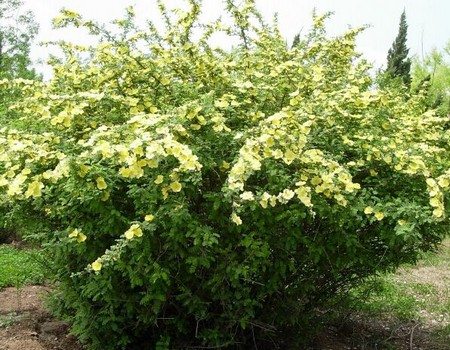
What are the propagation methods for Rosa xanthina? A guide to easy propagation
Rosa xanthina is an important ornamental flowering shrub in northern China in late spring and early summer. When in bloom, it is a mass of golden yellow. Also known as yellow rose, the name also refers to the flowers of this plant. The blossoms are vivid and eye-catching, and the flowering period is fairly long, making it suitable for garden viewing, group planting, and flower hedges. The plant has a graceful form, and when in full bloom, each golden-yellow flower set against the green leaves
-
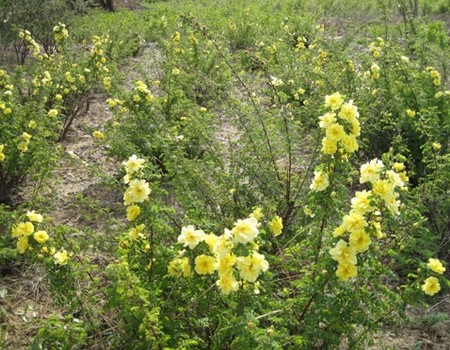
Detailed Explanation of Planting Methods and Technical Key Points for Rosa xanthina
How to plant Rosa xanthina? Is Rosa xanthina easy to grow in pots? Rosa xanthina has both single-petaled and multi-petaled varieties, all with excellent ornamental value. Many people grow Rosa xanthina in pots at home. Rosa xanthina has strong cold resistance and is an important flowering tree species suitable for cultivation in northern regions, blooming in late spring and early summer. It is suitable for use as flower hedges and flower borders
-
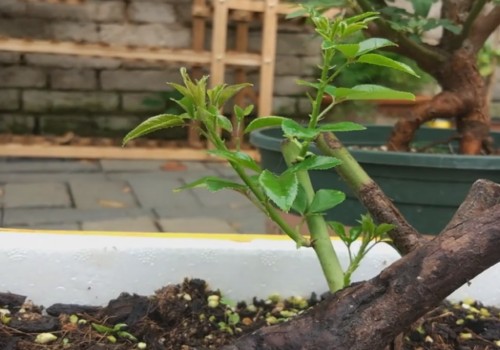
How to grow rose rootstock (Rosa multiflora) for grafting roses
Generally, the Rosa multiflora stumps we dig up from the wild are oddly shaped, and when we plant them in flower pots, many roots are usually exposed above the pot surface, because their root systems are simply too long and too developed. Even if we use deeper gallon pots, their roots can still reach the bottom of the pot
-
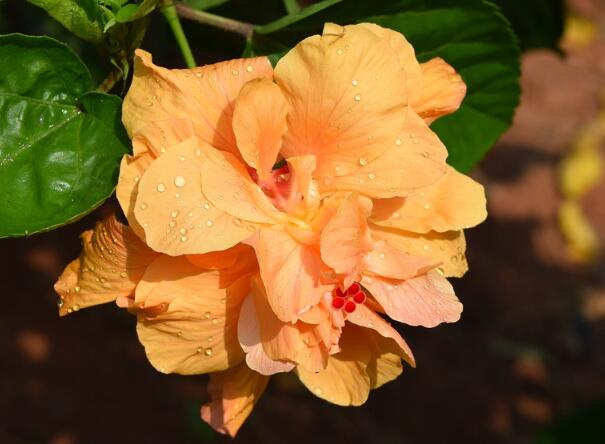
A Detailed Guide to Hibiscus rosa-sinensis Cultivation Methods and Precautions
Hibiscus rosa-sinensis is also known as Zhu Jin, Da Hong Hua, Zhu Jin Mudan, Yao Jing Hua, and so on. Its flower language is fresh romance and subtle beauty. Hibiscus rosa-sinensis is gorgeous and elegant, and many people like to grow it on balconies or in courtyards. So what are the cultivation methods for Hibiscus rosa-sinensis? What points need attention during cultivation?
-
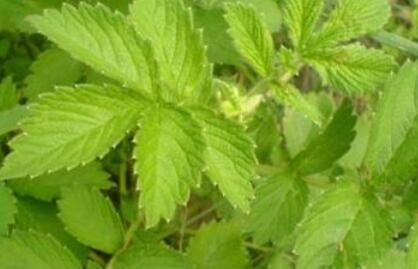
Can Agrimonia pilosa (Rosaceae) Lower Blood Sugar? Seed Prices and Cultivation
Xianhecao generally refers to Agrimonia pilosa, a perennial herb in the genus Agrimonia of the family Rosaceae, distributed in China, Europe, Russia, Mongolia, Korea, Japan and Vietnam. It often grows by streams, roadsides, grasslands, thickets, forest edges and open woodlands, at altitudes of 100-3800 m. So
条件筛选