Wild Rosa roxburghii is a nutrient-rich wild fruit that can be eaten fresh or processed.
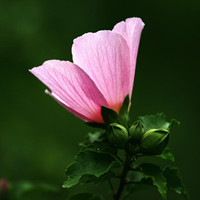
Wild Rosa roxburghii is a deciduous shrub of the genus Rosa in the family Rosaceae, that is, the wild form of Rosa roxburghii; among the general public it is also called wood pear and thorn pineapple, among other names. It is mainly distributed in the mountainous areas of southwest China, including Guizhou, Yunnan and Sichuan, and is commonly found on hillsides, roadsides and thickets at the edges of forests. The branches bear prickles, the leaves are pinnately compound, and it blooms in spring and summer, with flowers that are mostly pink.
Its fruit is oblate or nearly spherical, densely covered with fine soft spines on the surface, and when ripe the outer skin is yellow to yellowish brown; the flesh is sweet and sour with a hint of astringency and has a unique fresh fragrance. Although the fruit is unremarkable in appearance, its vitamin C content ranks among the highest of common fruits and vegetables, which is why it has long been known as the king of vitamin C; it also contains a variety of minerals and dietary fiber.
Before eating it fresh, people generally rub off the fruit spines first, then split it open and remove the core; it can be eaten directly or mixed with sugar for seasoning. More people like to dry it and steep it in water or infuse it in liquor, or process it into juice, jam, candied fruit and so on. Because the raw fruit is rather sour and astringent, eating it directly in large amounts does not taste very good, and the flavor is more readily accepted after processing.
Wild Rosa roxburghii is highly adaptable, tolerant of drought and poor soil, and prefers a sunny, warm and humid environment; its management is relatively extensive, and in some areas it is also cultivated artificially for fruit harvesting, ornamental use or soil and water conservation. When picking, the fruit spines easily prick the hands, so it is best to wear gloves and use tools as an aid. People with a weak stomach should not eat much of it on an empty stomach, to avoid the fruit acids irritating the stomach.
Related Reading