Rosa roxburghii blooms beautifully and its fruit is edible: learn about its characteristics and care methods
Rosa roxburghii is a deciduous shrub in the genus Rosa of the family Rosaceae. It gets its name because it often blooms around the time farm households begin reeling silk, and in various places it is also commonly called cili (chestnut rose) or songchungui. It is native to southwestern China and is fairly common in Guizhou, Sichuan and Yunnan; today it is also sometimes cultivated in parks and courtyards.
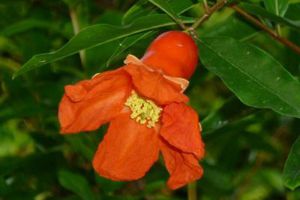
The Rosa roxburghii plant is medium in height, with prickles on its branches, and its leaves are pinnately compound. The flowers are mostly pink or pale pink, with single and double forms, and when in full bloom they are elegant and distinctive. After the flowers fade, it produces flattened spherical fruit densely covered with soft spines on the skin, which is exactly where the common name cili comes from; the ripe fruit has a distinctive fragrance.
This plant is fairly adaptable, preferring a sunny, warm and humid environment, and it also tolerates a certain degree of drought and poor soil. For planting in the ground, choose a sunny spot with good drainage; for container growing, be careful to avoid waterlogging. Water and fertilize appropriately during the growing season, cut off spent flowers and overly dense branches after blooming, and do one more shaping prune during the winter dormant period; growth and flowering will both be better the following year.
The ornamental value of Rosa roxburghii lies in its having both flowers and fruit. It can be planted as a single specimen for its flowers, and it is also suitable for growing as a flowering hedge or as an accent in a courtyard. Besides being eaten fresh, its fruit is often processed into juice, fruit wine and other foods. It is rich in vitamin C and is popularly known as the king of vitamin C. Its roots and leaves also have a tradition of use in medicine, making it a plant that is both good-looking and useful.
Related reading