Can Agrimonia pilosa (Rosaceae) Lower Blood Sugar? Seed Prices and Cultivation
Xianhecao generally refers to Agrimonia pilosa, a perennial herb in the genus Agrimonia of the family Rosaceae, distributed in China, Europe, Russia, Mongolia, Korea, Japan and Vietnam. It often grows by streams, roadsides, grasslands, thickets, forest edges and open woodlands, at altitudes of 100-3800 m. So, can the Rosaceae plant “Xianhecao” lower blood sugar? How much do the seeds cost per jin? When should it be planted? What are the cultivation techniques?
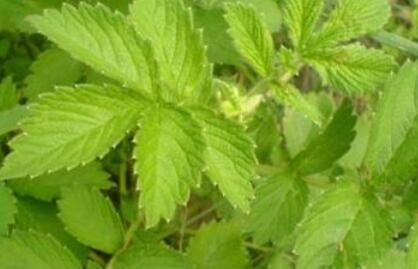
I. Can the Rosaceae plant “Xianhecao” lower blood sugar?
Xianhecao cannot lower blood sugar. The whole plant of Xianhecao is used as a tonic astringent hemostatic medicine and has no blood-sugar-lowering effect. At present, the treatment of diabetes is mainly based on insulin to control blood sugar; alternatively, oral blood-sugar-lowering drugs can be used. Moreover, a single Chinese herbal medicine such as Xianhecao cannot possibly have a great effect on blood sugar, nor does it have any therapeutic effect.
II. How much do the seeds cost per jin?
The price of Xianhecao seeds is about 310-500 yuan per jin, but prices vary greatly depending on seed quality, variety, place of origin and market.
III. When is Xianhecao planted?
Xianhecao can be sown in spring or autumn. For spring sowing, mid to late April in the north; for autumn sowing, late October before the ground freezes. When sowing, open sowing furrows 1-2 cm deep at a row spacing of 30-35 cm, sow the seeds evenly into the furrows, cover with a thin layer of soil, press lightly, and water promptly after sowing. The seeding rate is 1-1.5 kg per mu. When the whole plant is used as medicine, it is harvested in the second year after sowing; when the root buds are used as medicine, it is harvested in the autumn of the second year.
IV. What are the cultivation techniques for Xianhecao?
1. Site selection and land preparation: Xianhecao has no strict requirements for soil, but low-lying land and plots with poor drainage should not be chosen. After selecting the plot, apply 2000-3000 kg of barnyard manure or compost per mu as base fertilizer, spread it evenly, then plow, and make flat beds or raised beds about 1-3 m wide.
2. Proper thinning: When Xianhecao seedlings are 3-5 cm tall, begin thinning and filling in gaps, pulling out overly dense small and weak seedlings. When the seedlings are 15 cm tall, thin to 1-2 plants per spot at a plant spacing of about 15 cm; for those used as medicine for their root buds, this can be appropriately increased to 30 cm.
3. Cultivation and weeding: Promptly pulling weeds and loosening the soil during the seedling stage of Xianhecao is the key to ensuring a high yield. Usually, hoeing is carried out together with soil loosening. In the later growth stage, after the plants close the rows, there is no need to loosen the soil again, but any weeds should be pulled out promptly.
4. Timely topdressing: Xianhecao is fertilized once before thinning and once before the rows close. After that, topdressing is needed again each year in early spring and after each harvest. For those used as medicine as the whole plant, more nitrogen fertilizer can be applied; for those used as medicine for their root buds, appropriately increase the application of phosphorus and potassium fertilizers.
5. Removal of flower stalks: Xianhecao grows very vigorously and flowers and sets seed especially abundantly. Therefore, except for plants kept for seed, promptly remove the flower stalks to promote root growth and thus increase yield.
6. Disease and pest control: The main pest of Xianhecao is the red spider mite, which pierces and sucks the stems and leaves, causing the leaves to turn yellow, drop off, and the plants to die. Propargite, pyridaben and similar agents can be sprayed for control.