Causes of Yellowing Leaves on Rose (Rosa chinensis) and How to Fix Them
The rose is called the queen of flowers, also known as “Yueyuehong” (monthly red), blooming in all four seasons, generally red, or pink, occasionally white and yellow. It can be used as an ornamental plant and also as a medicinal plant. Many people always encounter yellowing leaves when growing them, so what causes yellowing leaves on roses? What should be done?
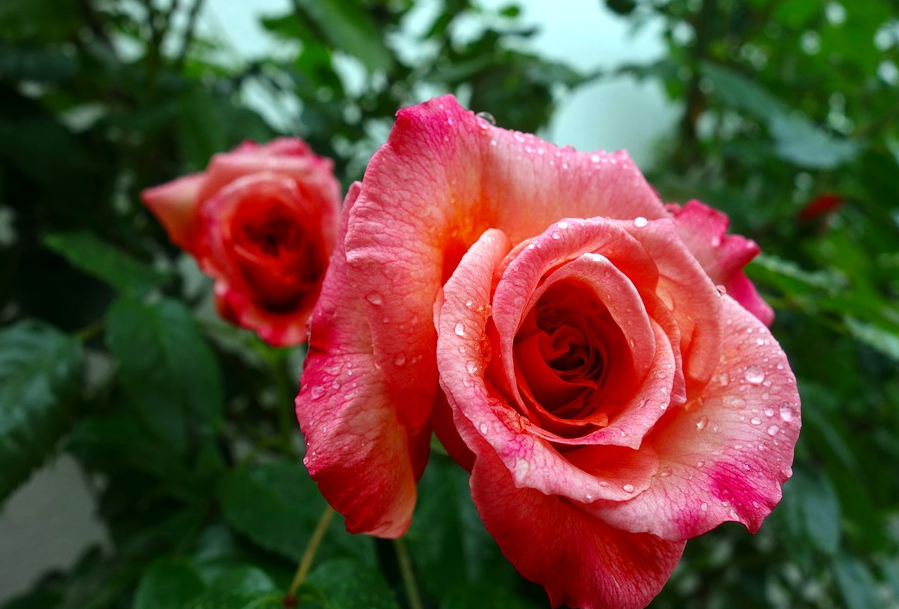
There are many causes of yellowing leaves on roses: if it is caused by overwatering, the plant needs to be removed from the pot and placed in a cool place to air-dry, then put back into the flower pot. If it is caused by improper fertilizing, apply light fertilizer frequently, do not apply large amounts of fertilizer. If it is caused by viral infection, spray Virus-Killer for prevention and control. If it is caused by improper repotting and soil changing, water thoroughly after repotting and place in a cool place for care.
I. Improper Watering
If the young leaves are dark yellow with no luster, the old leaves show no obvious change, the branches are thin and yellow-green, and the new shoots grow abnormally stunted, it indicates overwatering.
The plant needs to be removed from the pot and placed in a ventilated, cool place, and after the soil ball dries, put it back into the flower pot.
There is a difference between the yellowing from too little water and that from too much water. Yellowing from too little water shows as dry, withered leaf tips or edges, with old leaves turning yellow and dropping from the bottom upward, while the growth of new leaves is relatively normal.
When watering, pay attention to "do not water if not dry"; water thoroughly to ensure sufficient moisture.
II. Improper Fertilizing
In the early growth stage, it is best to apply light fertilizer frequently, mainly using compound fertilizer, applied by the hole method or the watering method.
Never apply unrotted organic fertilizer or large doses of chemical fertilizer; these two kinds of fertilizer will burn the root system, causing the plant to wilt and die.
III. Viral Yellow Leaves
If the root system and branches and leaves of the rose are attacked by a virus, this symptom will appear: the leaves appear unspread and accompanied by yellowing, appearing lacking in vitality.
For prevention and control, solvents such as Virus-Killer and Kedulu can be sprayed, but comprehensive care management should be the main approach; robust plants will have stronger resistance.
IV. Improper Repotting and Soil Changing
Although repotting and soil changing sounds very simple, achieving close contact between the root system and the soil is not easy. A thin wooden stick or similar can be used to help tamp it firm or gently settle it. For the base fertilizer, choose rotted fertilizer, keep it as far from the root system as possible, and avoid direct contact with the roots.
After repotting, water thoroughly immediately and care for the plant in a cool place. Water a second time when the potting soil is slightly dry, and thereafter also follow the watering principle of "do not water if not dry".
No fertilizing is needed for a short time after repotting; wait at least three weeks before fertilizing.
As for the soil used in repotting, if the soil contains lime powder or is too acidic, it can likewise cause yellowing leaves. If you do not want your rose to become a "yellow-faced woman", then carry out effective care management according to the above aspects, and green will surely dye every branch and leaf again.