-

How to Grow Rosa banksiae? A Detailed Guide to Cultivation Techniques and Planting Methods
Rosa banksiae, also known as muxiang, muxiang vine or jinpeng flower, is called qilixiang or shilixiang in some places because its fragrance carries far when in bloom. It is an evergreen or semi-evergreen climbing vine of the genus Rosa in the family Rosaceae. Its branches can extend more than 6 m, and it is thornless or has only a few thorns. The compound leaves are alternate
-
A Detailed Guide to Potted Rose (Rosa multiflora) Care Methods and Management Key Points
Most roses are world-famous ornamental plants. They prefer growing in thickets along roadsides, field edges, or hilly land, and are widely distributed across the cold-temperate to subtropical regions of Asia, Europe, North Africa, and North America. They have extremely high ornamental value and a very long cultivation history in our country, making them very suitable for bonsai cultivation.
-
A Detailed Guide to the Cultivation Methods and Precautions for Hibiscus rosa-sinensis
1. Site selection and soil preparation: Hibiscus rosa-sinensis is very well suited to being planted in warm, humid places, so when choosing a plot you must select fertile, well-drained sandy soil, and the soil should also be slightly alkaline, which is more conducive to the growth of Hibiscus rosa-sinensis. 2. Temperature control: Hibiscus rosa-sinensis is not tolerant of frost
-
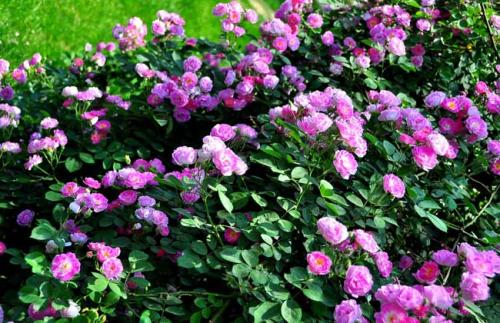
How to grow Rosa multiflora? Detailed care measures and precautions
1. Sunlight: Rosa multiflora likes light and needs plenty of it, so make sure it gets enough sunlight. 2. Water: Rosa multiflora is slightly shade-tolerant but afraid of waterlogging, so when watering, pay attention to controlling the amount; do not water too much, and do not water too little. Just keep the soil moist, and never let water accumulate.
-
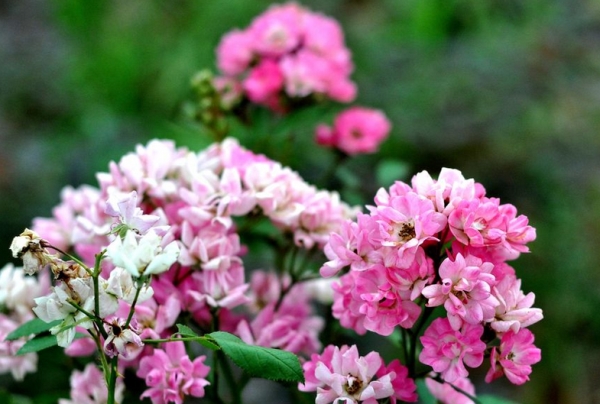
How to propagate Rosa rubus? Master the common methods in one article
Rosa rubus can be propagated by layering or cuttings. Note that the spacing between planted specimens should be no less than 2 m. From early spring budding until flowering, water appropriately 3-4 times according to weather conditions, water frequently, and keep the soil moist. Insufficient light or excessive drought will lead to a reduction in the number of Rosa rubus flowers
-
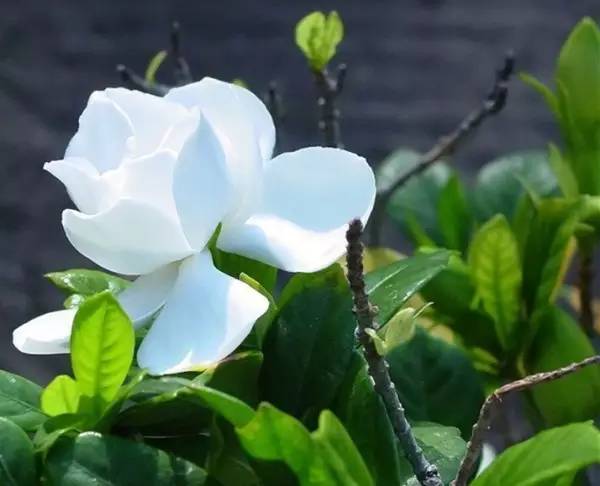
What are the cultivation methods and care tips for the Rosa rubus flower?
Temperature: The optimal growing temperature for the Rosa rubus flower is 20-28°C. It is easy to cultivate, tolerant of drought and partial shade, but not cold-resistant, so the temperature must be kept above 10°C in winter. Watering: The Rosa rubus flower is generally watered once a week. If grown outdoors, watering can be adjusted according to weather conditions. Be careful to keep the soil moist.
-
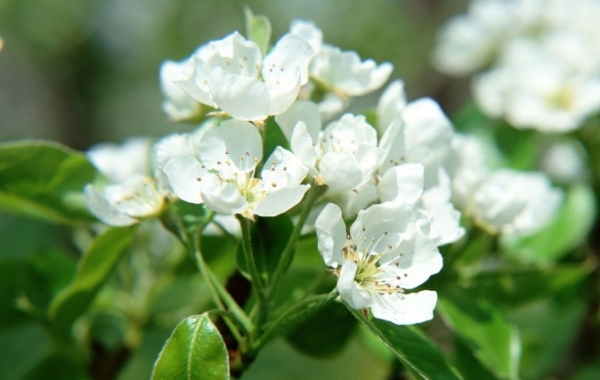
What are the key points for growing Rosa rubus?
Rosa rubus is usually watered once a week, and the soil should be kept moist. In addition, the growing season of Rosa rubus has a relatively large demand for nutrients, so we should fertilize in time to provide nutrients and promote its flowering and growth. Its suitable growing temperature is 20-28 degrees, and it is easy to cultivate
-
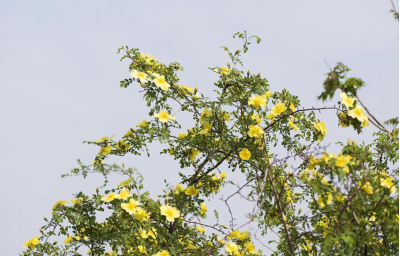
What are the cultivation methods and precautions for Rosa xanthina?
I. Fertilizing First, it is necessary to apply one to two spadefuls of decomposed compost as a base fertilizer in the hole where the Rosa xanthina seedling is placed. Note here that after planting, Rosa xanthina needs to have a fairly large number of branches pruned and to be watered thoroughly, then watered again after about 3 days; this can greatly increase the survival rate of the young Rosa xanthina seedlings.
-
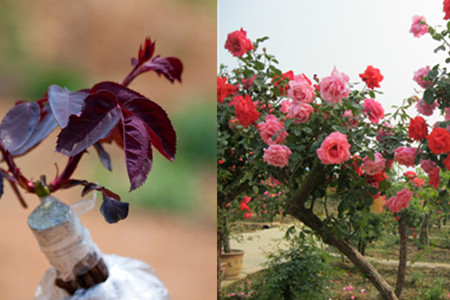
What tree is used to graft roses? Both Rosa multiflora and Rosa rugosa can be chosen
Everyone is surely familiar with grafted roses. Grafting takes a fresh branch of a rose and grafts it onto the rootstock of another variety, so that the characteristics of the two plants blend together and produce even more brilliantly colorful roses
-

What is Rosa chinensis also called? Cultivation methods beginners need to master
People who have grown Rosa chinensis may know that it has strong vitality. It has a very strong vigor and wide adaptability, and its requirements for soil are not very strict, so many flower enthusiasts now like this plant very much
条件筛选