-

Introduction to Androsace umbellata (throat grass, white-flowered pearl grass, copper coin grass) and its care
Androsace umbellata (throat grass, white-flowered pearl grass, copper coin grass) Scientific name: androsaceumbellata Family and genus: Primulaceae Morphological characteristics: Perennial herb, the plant body has fine soft hairs, plant height 15~30 cm. Leaves heart-shaped, margins toothed. Flower scapes erect
-

Cultivation Methods and Technical Key Points for Rose (Rosa chinensis)
There are many cultivation methods for roses, with cuttings and grafting being the most common. Grafting is mainly done by bud grafting. The following introduces the cutting propagation method. 1. Cutting period. Rose seedling cultivation is mostly carried out in spring and autumn. In spring, it starts in late April and ends at the end of May; in autumn, it starts in late August and ends at the end of October.
-

Reasons Why Roses (Rosa multiflora) Fail to Bloom and How to Fix Them
Rosa multiflora likes to grow in thickets by roadsides, field edges or on hilly land, and is distributed in East China, Central South China and other regions. From May to June, when the flowers are in full bloom, pick them on a sunny day, dry them in the sun and use them as medicine. Rosa multiflora flowers come in many colors, including white, light red, deep peach red, yellow and so on
-
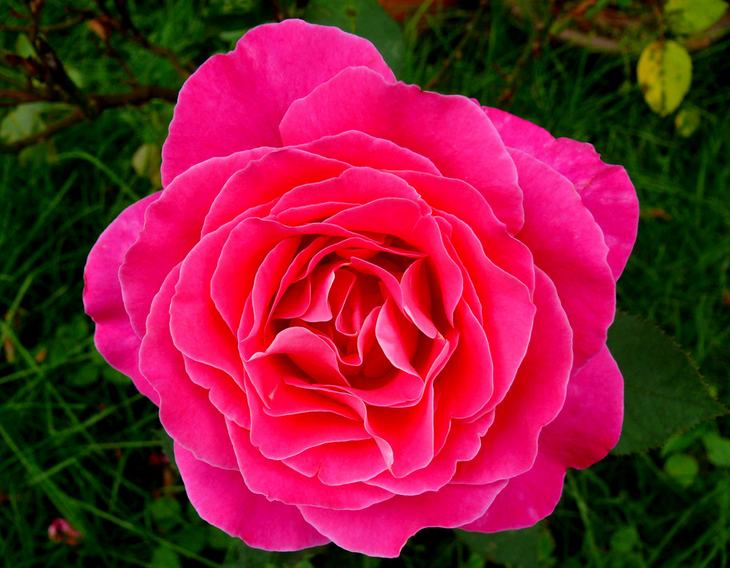
A detailed guide to growing Chinese roses (Rosa chinensis), easily adding colorful beauty to life
Chinese roses are splendid and beautiful, with diverse forms and colors, blooming in all four seasons, and are deeply loved by people. They are called the queen of flowers, and many people want to grow Chinese roses themselves. So when growing Chinese roses, what exactly should you do? Are there any methods and precautions?
-
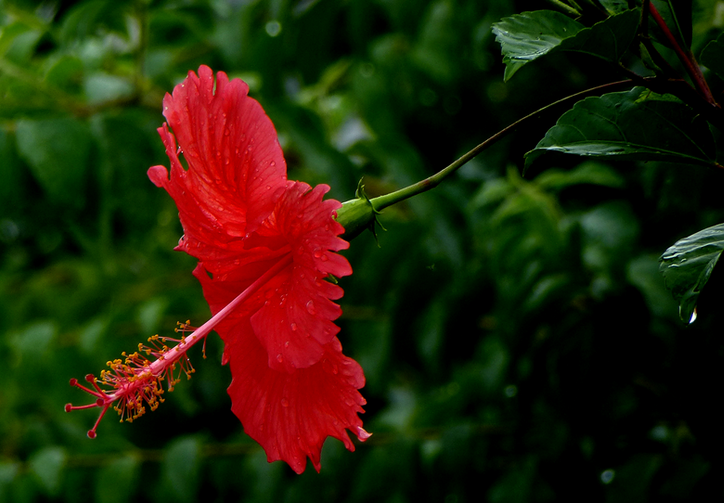
Analyzing the cultivation methods of Hibiscus rosa-sinensis: teaching you to grow Hibiscus rosa-sinensis with ease
Hibiscus rosa-sinensis is a famous flower in China, with large blooms and many colors. Although each flower opens in the morning and fades in the evening, they continue endlessly, the flowering period is long, and the blooms are most abundant in summer and autumn, making it deeply loved by people. Many people want to grow Hibiscus rosa-sinensis themselves but do not know how to care for it. Below, let us take a detailed look together with the editor of Yiqizhuangxiu.
-

Rosa roxburghii planting management and common pest and disease control methods
Rosa roxburghii planting management and common pest and disease control 1 Planting and management 1.1 Scientific planning and variety selection Rosa roxburghii is suitable for growing in warm and humid, sunny, fertile soil...
-
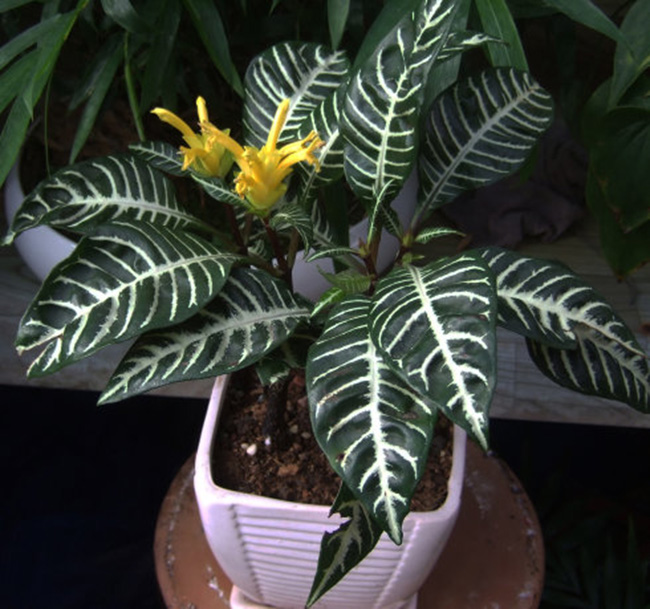
How to Grow Aphelandra squarrosa 'Dania'? Detailed Growing Methods and Precautions
Aphelandra squarrosa 'Dania' Encyclopedia Aphelandra squarrosa 'Dania' (scientific name: Aphelandra squarrosa Nees cv. Dania) is a perennial herbaceous plant. Leaves are opposite, oblong-elliptic; margins entire and slightly rolled inward; dark green, with pale yellow or yellow veins. The flowers form terminal spike inflorescences
-

How to Grow Rosa roxburghii? Introduction to Cultivation Methods of a Medicinal and Edible Plant
Rosa roxburghii, also known as the chestnut rose, is a typical medicinal and edible plant. Its fruit is crisp-fleshed, sweet and sour, and has extremely high medicinal value, with effects that help strengthen the body's resistance and provide nourishment and health benefits. Some growers are also interested in cultivating it, so let me introduce the cultivation methods of Rosa roxburghii: Growing Conditions
-
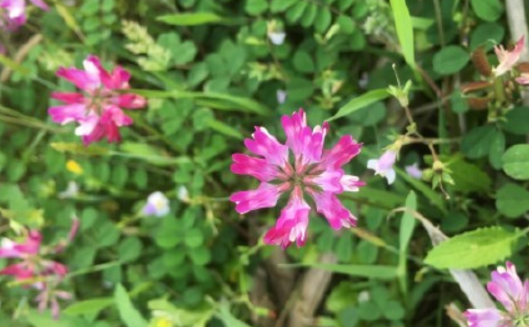
Rosaceae suborder: Milk vetch (Astragalus) toxicity, cultivation methods and precautions, and differences from alfalfa
Milk vetch is a herbaceous plant with pinnately compound leaves that produces flowers, so is milk vetch toxic? What are its cultivation methods and precautions? What is the difference from alfalfa? According to the information, milk vetch prefers a warm and humid growing environment, can tolerate cold, and requires sufficient water during cultivation
-
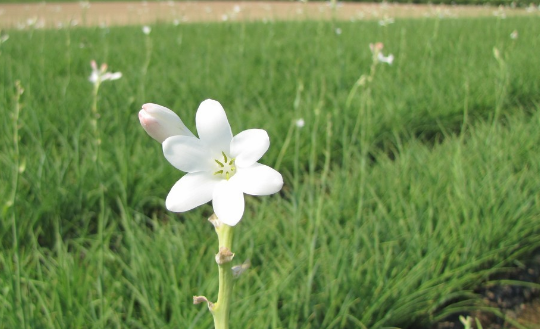
Tuberose (Polyanthes tuberosa) of the Amaryllidaceae suborder: cultivation methods, precautions, toxicity, and benefits
Tuberose is very easy to plant and to force into bloom, which makes it one of the most important cut flowers. So what are the cultivation methods and precautions for tuberose? Is it toxic? What benefits and effects does it have? According to the available information, tuberose dislikes waterlogging; if it is too dry, the leaf edges curl and the flower buds shrivel.
条件筛选