-

How to grow a Clivia with no roots? Learn the correct care method
How to grow a Clivia with no roots
-
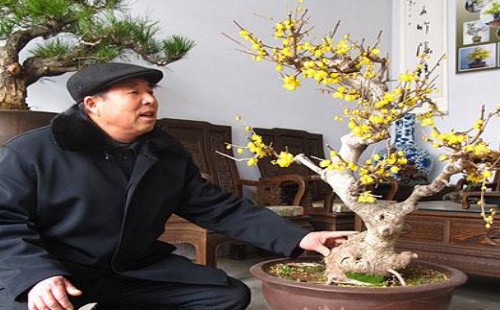
What is the best rootstock for grafting winter jasmine
Winter jasmine is a very important landscaping tree species in our country. Because of its high ornamental value, whether it is used to beautify the urban environment or made into a bonsai, it is very pleasing to look at. And winter jasmine, as a bonsai tree species with a very outstanding ornamental effect, is deeply favored by the vast number of bonsai enthusiasts
-
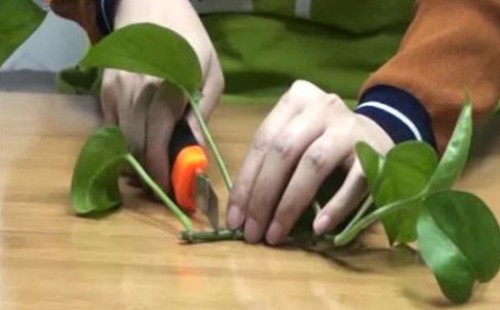
Can You Trim the Roots and Stems of Hydroponic Pothos? A Detailed Guide to the Correct Cutting Method
Pothos grows very quickly, relying mainly on its powerful root system. Even in a hydroponic state, pothos often has a massive root system. As the plant keeps growing, the roots and stems also become more numerous and denser. During normal metabolism, quite a few old roots are bound to form
-
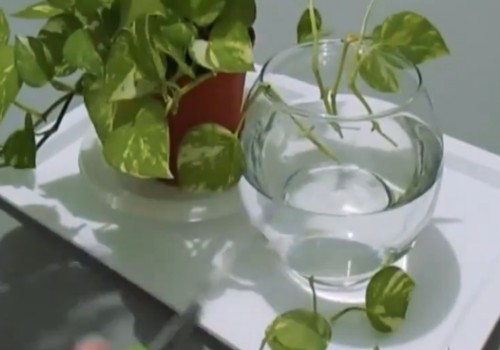
Reasons Why Pothos Cuttings Don't Grow Roots in Water and How to Fix It
Although pothos (Epipremnum aureum) grown in water grows more slowly than in soil, its care and management are relatively simple, and when grown well it also has extremely high ornamental value. Water-cultured pothos is usually grown by cutting a stem section from the mother plant and placing it in water. If we do it improperly, the water-cultured pothos may fail to grow roots.
-
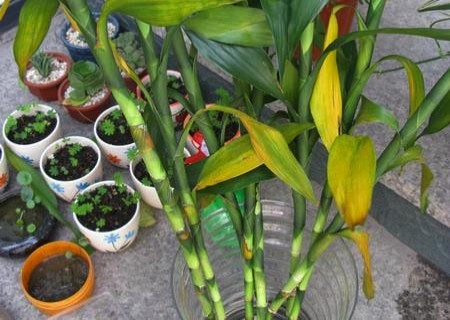
How to grow lucky bamboo so it roots easily and does not get yellow leaves
Many gardening friends encounter yellow leaves in the early stages of growing lucky bamboo, and even with frequent water changes and removal of yellow leaves, it often still does not help. Actually, as long as we observe carefully, we can often spot some clues, and by following these traces we can find the causes of and solutions for yellow leaves on lucky bamboo. Usually
-
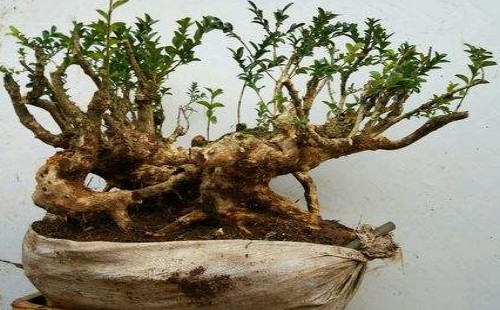
How do you grow the roots of a boxwood bonsai thick? Master these care methods
Boxwood bonsai has features such as a graceful, dancing tree posture, deep emerald leaf color, and ancient, gnarled, twisting roots, so its ornamental value is quite high, and it is deeply favored by the vast number of bonsai enthusiasts. Moreover, the boxwood tree has a well-developed root system. When creating a bonsai, in addition to the most commonly used method of cutting branches to build up the trunk, you can also raise the roots and expose the roots
-
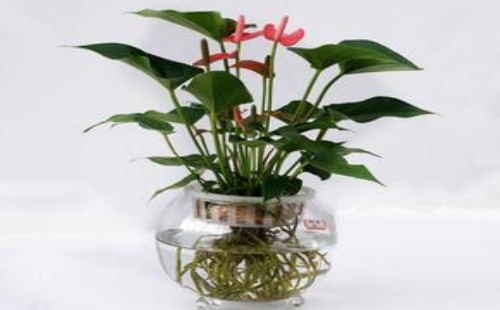
What to Do When the Roots of a Hydroponic Anthurium Turn Green? Causes and Solutions
Because the anthurium has very high ornamental value, as it can be enjoyed both for its flowers and its leaves, it is deeply loved by people, especially favored by home potted plant enthusiasts. And considering its small impact on environmental hygiene and its relative cleanliness, quite a few plant lovers also like to grow anthuriums hydroponically. However
-
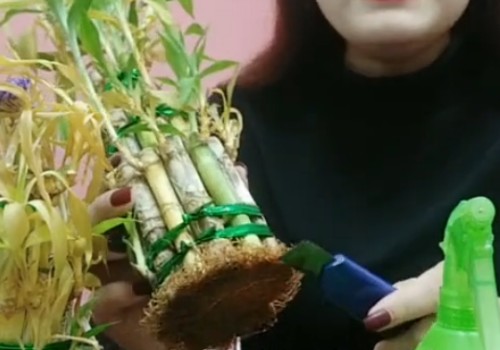
What to do when lucky bamboo roots rot and the water smells? Learn the correct way to handle it
Hydroponic lucky bamboo is best suited for growing indoors, but hydroponic lucky bamboo has a fairly common and fatal drawback: it is very prone to root rot, and then even the water turns putrid and foul-smelling. So what should you do when lucky bamboo roots rot and the water smells? After hydroponic lucky bamboo develops root rot and the water becomes foul
-
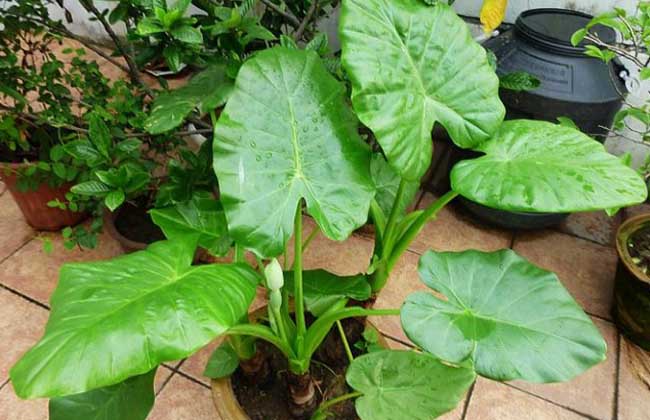
What to Do When Alocasia (Dumb Cane) Leaves Turn Yellow and Roots Rot? Causes and Solutions
When Alocasia leaves turn yellow, dry soil and lack of water can easily cause the leaves to wilt and turn yellow. Solution: During the vigorous growth period from May to September, water once every 2 days, and at the same time, spray more water on the plant surface to increase humidity. In a water-rich, moist environment, Alocasia drips water from its leaf tips and edges
-
What tree is best used as a rootstock for grafting osmanthus?
What trees can osmanthus be grafted onto? The rootstocks that can be used for grafting osmanthus include small-leaf privet (Ligustrum quihoui), large-leaf privet (Ligustrum lucidum), water wax (Ligustrum obtusifolium), white wax (Fraxinus chinensis), and osmanthus seedlings grown from seed or cuttings. (1) Small-leaf privet: a deciduous or semi-evergreen shrub, 2-3 m tall, with spreading branches and twigs bearing short pubescence
条件筛选