-
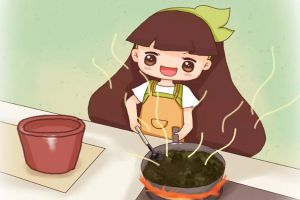
Before growing flowers, scald the soil, and bugs and germs will all die off, so roots will never rot again
Once spring arrives, not only do the flowers at home start growing, but plenty of little bugs also start popping up. Not to mention that a few days ago, when Huahua was repotting, lots of little bugs even crawled out of the soil! So before repotting flowers in spring, you must scald the soil to kill all the insect eggs and such in it, so that growing flowers won't attract little bugs!
-

Smear a bit of this on the roots of your clivia, and the clustered clivia will fill the pot, blooming stunningly
In Huahua's impression, clivia mostly has a "middle-parted hairstyle", with leaves on both sides perfectly symmetrical. However, a few days ago at a friend's home, I saw the clivia she grows has leaves filling the whole pot, and the blooms are absolutely spectacular. How exactly do you grow this kind of clustered clivia?
-

What causes empty roots in orchids?
There are many causes of empty roots. Besides water, they can also be caused by insect bites or fungi. If the central strand in the middle of the root is black, it is an empty root caused by pathogenic bacteria. If the strand is a normal off-white color, and the empty root has no standing water and smells of the distinctive fresh fragrance of orchid roots, then it is caused by vigorous root fungi, and this is a normal phenomenon...
-
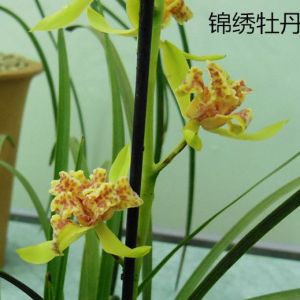
How to judge the quality of orchids when introducing them by their roots
A gold award-winning variety at the Jiangsu Jingjiang Cymbidium faberi exhibition.
-
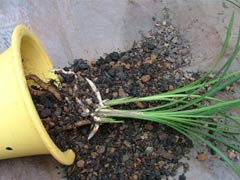
What to Do When Orchid Roots Rot? Teach You the Correct Way to Handle It
Orchid root rot means there is a problem with your orchid care. If even one factor - environment, planting method, watering, fertilizing, spraying - fails to meet the orchid's needs, and the tips of new shoot leaves begin to wither or black spots appear on the leaves, it means the orchid has started to become diseased and its roots are rotting. If you do not find the cause and improve it...
-
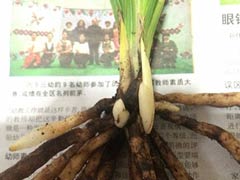
How Can You Tell if Orchid Roots Are Healthy? An Illustrated Guide to Judging
Quite a few orchid growers want to know what makes orchid roots healthy. It happens that a fellow orchid grower has put together an article based on their own experience, and with the pictures in the article, growers can fairly easily judge what healthy orchid roots look like. The grower looked at root photos of Liumei and Old Shanghai, because the peak season for introducing new plants is approaching...
-
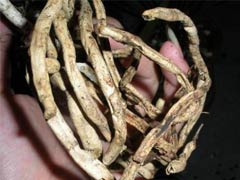
How should hollow roots on orchids be dealt with?
Hollow roots on orchids are quite common. This article starts with how to deal with hollow orchid roots, then moves on to the causes of hollow orchid roots, as well as prevention methods, so that orchid growers can avoid detours in their future orchid care. I have seen many online articles that only discuss the causes of hollow orchid roots without saying what to do about them...
-
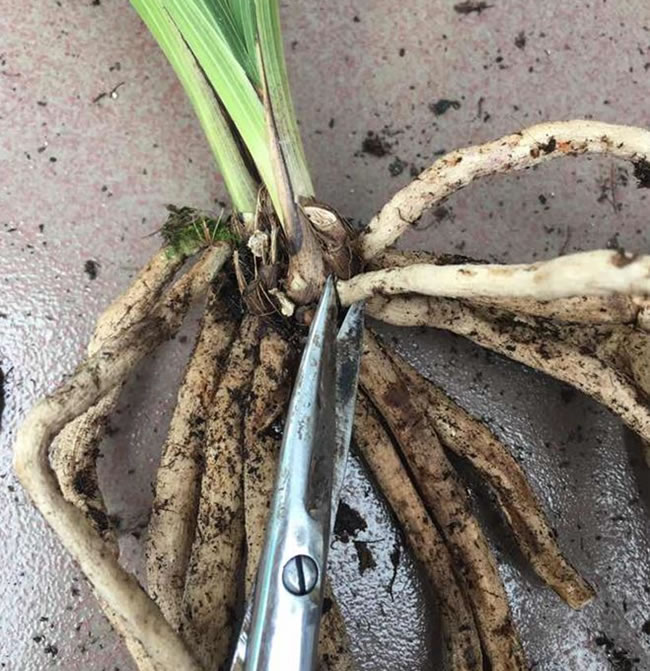
Why Cymbidium faberi Has Too Many Roots and Doesn't Sprout, and How to Fix It
Yifeng: When we repot and divide plants, we can thin out excessive roots, otherwise they seriously affect sprouting. Take these two groups of plants as an example: one group has 19 roots, the other has 11 roots. If you don't trim some roots, the single-growth-point group very likely won't sprout and will slowly age and die, and the mother-and-child growth group will also have new shoots affected because of too many roots...
-

This easy-to-grow flower can be propagated from cuttings: cut 1 stem into 8 segments, and it roots as soon as it goes into the pot.
Since the Chinese New Year, temperatures have gradually risen, and flower lovers can no longer hold back their hands and are getting ready to take cuttings! Plants like snake plant (Sansevieria), pothos (Epipremnum aureum), and kalanchoe (Kalanchoe blossfeldiana) need no effort at all: just 1 stem, gently cut into 8 segments, tossed into a pot, and they live. Turning 1 pot into 100 pots is not a dream at all!
-

How to grow thick roots on winter jasmine? Practical care methods shared
This plant gives people a good feeling. In ancient times, many poets also wrote poems about this flower. Its shape is very attractive, and it has especially many alternative names. It can be considered one of the most common plants in China. Because it itself has many characteristics, many people have now started growing this plant. We always want to grow plants better, and one method is about how to make its roots thick. Today let us talk about it in detail.
条件筛选