-
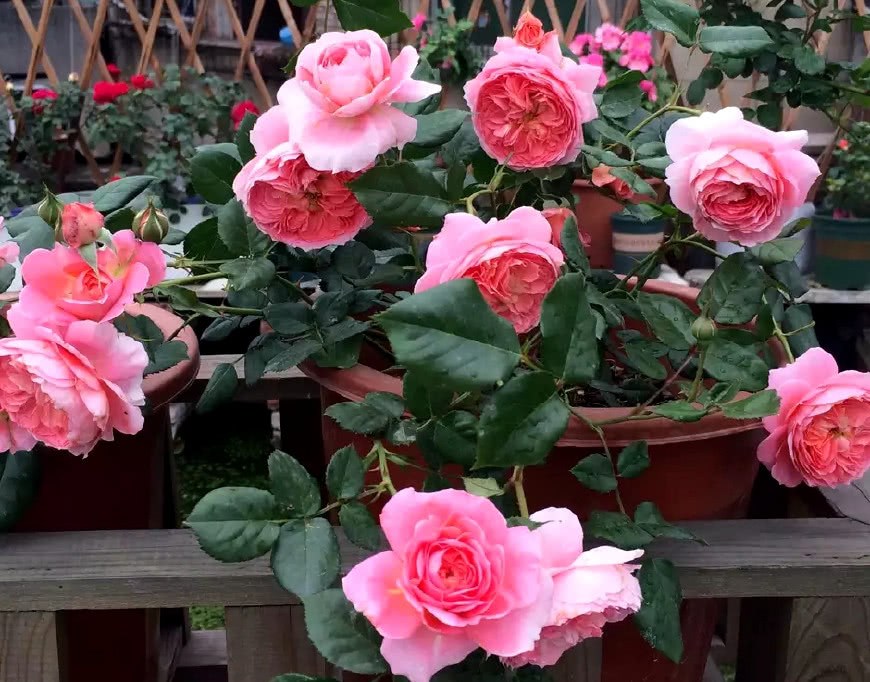
Bury 5 soybeans in the soil, and the roots grow strong, the leaves stay green, and the flowers bloom brightly
Many people love growing flowers, but they do not know how to fertilize them, nor do they know which flower fertilizer suits which flower. They are at a very confused stage. But fertilizing flowers is a key step in growing them well. Without this step, the branches and leaves will not grow lush...
-
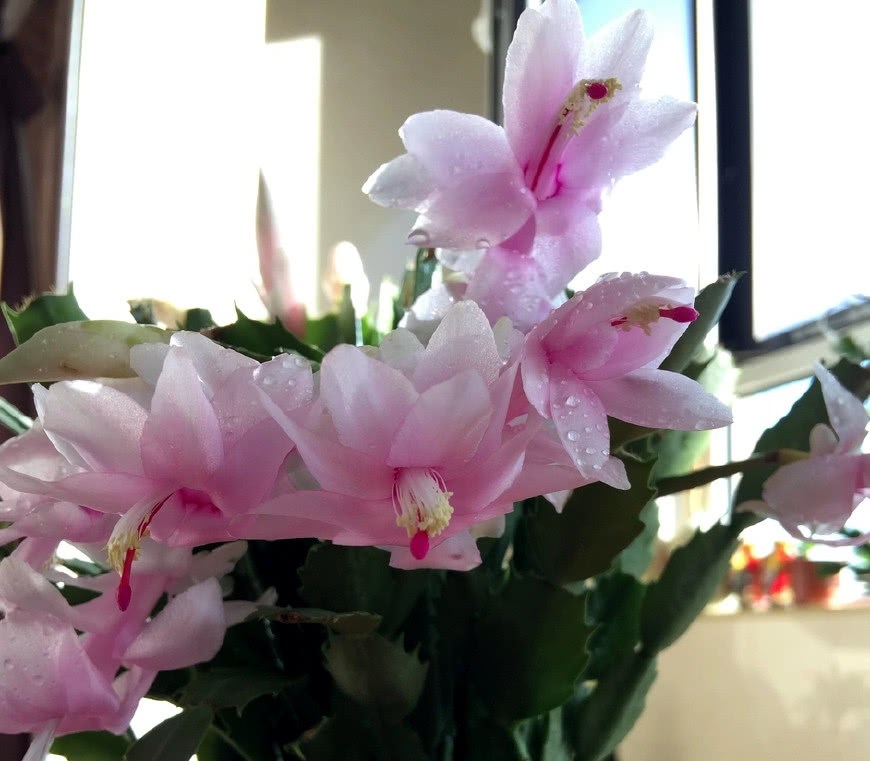
6 kinds of flowers that root from leaf cuttings in soil and thrive with minimal care, so stop wasting money buying them
More and more people have joined the ranks of plant growers, but most do it out of hobby and love, and the vast majority are amateurs. Many people may not know much about the habits of flowers, especially when it comes to propagating them. Today I will share with...
-
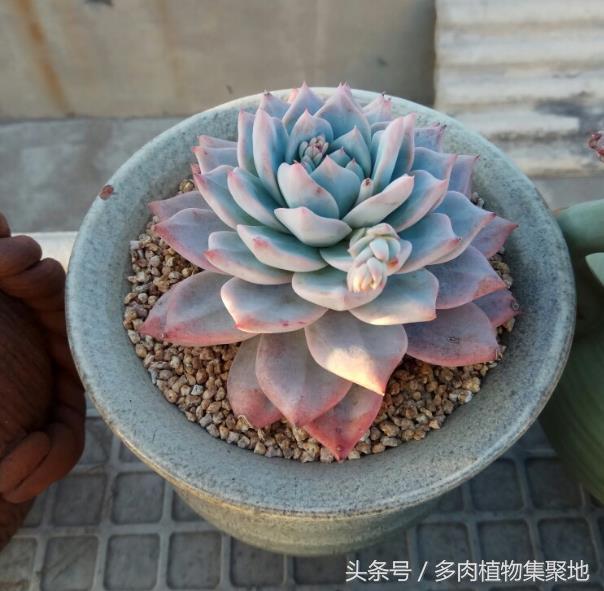
What to do about root rot after fertilizing succulents? Simple steps to make the roots strong
Fertilizing succulents in the wrong season, or fertilizing too much, can cause root rot. Why should succulents be fed with light fertilizer frequently? This comes down to the growth cycle of succulents: the greater the daily temperature difference, the faster they grow. Wait until the potting soil...
-

The correct method and detailed steps for trimming orchid roots
First, you need to sort the roots, separating healthy roots from unhealthy ones. As long as there are more than four good roots, you can remove all the other rotten roots. At the same time, remove its leaf sheaths, otherwise many parasites will hide inside them. Some broken roots that are still fairly fresh do not need to be trimmed.
-

What to Do About Root Rot in Anthurium? Cause Analysis and Treatment Methods
If a soil-grown anthurium develops root rot, it is mostly caused by root rot disease. First, the rotten roots must be cut off and then disinfected. After that, some chemicals can be sprayed, such as metalaxyl. If a water-grown anthurium develops root rot, the most likely cause is a water quality problem. The first thing to do is likewise to cut off the rotten roots and disinfect them. Then, change the water frequently; the requirements differ by season. The water level also needs attention: about one third of the container. When necessary, measures can be taken to increase the oxygen content in the water.
-
Symptom Identification and Control Methods of Root Rot in Orchids
Symptoms and Control Measures of Root Rot in Orchids
-
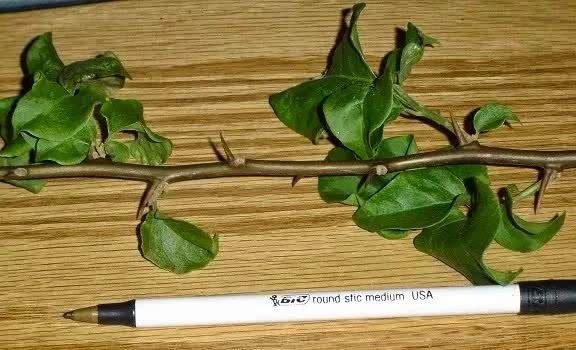
Bougainvillea cuttings taken in spring root easily and grow into potted plants
Take a branch cut from a mother bougainvillea plant and use it for cuttings. Many gardening enthusiasts have tried this, and many have failed: the branches rot easily and fail to root. Why is that? Are there any tricks? 1. Cut a branch. Cut...
-

-

How long does it generally take for a kalanchoe cutting to take root after propagation?
Different methods produce different rooting speeds. If you use water propagation, it only takes about seven days for roots to appear, and the rooting speed is very fast, but the roots will be rather fragile. If you use sand propagation, roots can appear in half a month, and this method has many advantages. If you use soil propagation, roots can appear in two weeks; the rooting speed is relatively slow, but the roots are very sturdy. There is also a type of aerial root, which can grow on its own without the owner needing to do anything.
-

What to do if copper coin grass has root rot? I'll teach you the correct way to handle it
If the rot is not very severe, just put it in the sun or in a ventilated area to dry for a while, and it will recover. If the root rot is very severe, you need to wash and disinfect both the roots and the easy parts, then let the roots dry before replanting. If you are not very experienced, it is best to grow it in a half-soil, half-water setup.
条件筛选