Bougainvillea cuttings taken in spring root easily and grow into potted plants
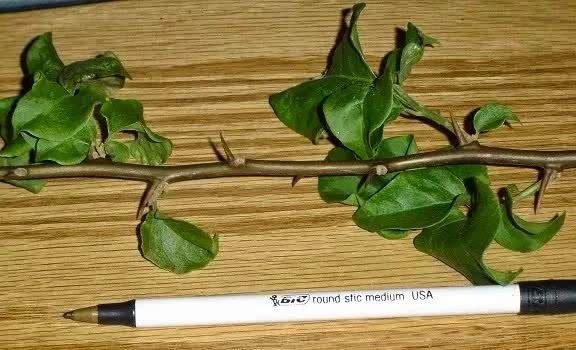
Take a branch cut from a mother bougainvillea plant and use it for cuttings. Many gardening enthusiasts have tried this, and many have failed: the branches rot easily and fail to root. Why is that? Are there any tricks?
1. Cut a branch
Cut a one-year-old branch, preferably a sturdy side branch from the base, about 10~15 cm long. You cannot reach the branches at the top of the bougainvillea anyway, and after flowering they are very thorny, so be careful.
2. Remove the excess leaves
Cut off the vast majority of the leaves; you can leave two leaves at the top. All the leaves near the bottom must be cleaned off completely, and do not keep any flowers either.
The cut branch can be divided into several sections, each 10~15 cm long.
3. Handle the growth nodes
For cuttings, pay attention to where roots will form, which is the growth node. The cut on the branch should be below the node, giving it room to heal. The node on the branch below is at the bottom, and gardening enthusiasts will see it at a glance.
The node is the swollen part on the branch, just like the node on bamboo. Make the cut at a 45-degree angle. Before inserting the cutting, dip it in rooting powder first to promote rooting; it also sterilises and disinfects, preventing the cutting from rotting.
4. Preparation for cuttings
Before taking cuttings, prepare the growing medium first, and water the soil thoroughly beforehand. When inserting the bougainvillea branch into the soil, do not plant it at a 90-degree angle; it should be slightly tilted, at a 45~60 degree angle, which helps it root better.
5. Aftercare for the cuttings
Then place the pot with the cuttings in a shaded, ventilated spot (bright light), keep the potting soil slightly moist, and you can cover it with a plastic film, airing it out for about three hours each day.
6. Waiting for sprouting
Cuttings generally sprout in about 6~10 weeks, so wait patiently.
7. When to transplant?
Once the branch has produced small tender shoots, you must no longer keep the bag over it. Gradually let it receive light, indirect light, with about 4 hours of light each day.
When the branch has grown 4~6 leaves (usually taking about 3 months), it is time to transplant, and of course transplant it with the soil ball, being careful not to damage the roots. This does not mean you have succeeded though!
A branch that has grown leaves has generally rooted, but you must not just pull it up, unless you took many cuttings
8. Care after transplanting
After about 4 months of growing the cuttings, their root systems are already very sturdy, and you do not need to worry about them suddenly dying.
They have already adapted to the new environment after transplanting; even very small branches can produce small flowers. Although not too brightly coloured, even very small stems can grow out. (Remove the spent flowers after blooming.)
By following the method above, you can not only get more potted bougainvilleas, but also propagate the extras to give to gardening friends.
Tips:
Bougainvillea is quite cold-tolerant (compared with other tropical plants), drought-tolerant and tolerant of poor soil, so do not water it all the time; overwatering actually makes it bloom poorly.
The size of the pot should be increased gradually as the cutting grows bigger and stronger. Do not use a large pot all at once, as this easily causes root rot.
Wear gloves when using rooting powder or cutting branches; bougainvillea branches have thorns.