Symptom Identification and Control Methods of Root Rot in Orchids
Symptoms and Control Measures of Root Rot in Orchids
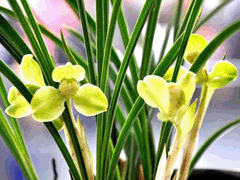 OrchidRoot rot mainly affects seedlings in propagation pots, but can also infect older mature plants. On affected seedlings, small water-soaked brown spots first appear on the fleshy roots and rhizomes, which then gradually rot and turn black. If left unchecked, the rot can spread to the stem and lower leaves, eventually forming a ring of brown rot encircling the plant, causing the seedling to wilt and die. When mature plants are affected, damage usually occurs at the root zone, and the rot is mostly confined to the roots, though it can sometimes spread to the rhizome and pseudobulbs. Infected plants show yellowing leaves and pseudobulbs, shrinkage, weakness and distortion, and decline in growth, and may eventually die.OrchidRoot rot is caused by infection with Rhizoctonia solani, a fungus of the genus Rhizoctonia, order Mycelia Sterilia, class Hyphomycetes, subdivision Deuteromycotina. The pathogen does not form spores and spreads through mycelial infection. Its optimal growth and development temperature is 20-24 degrees Celsius, and its optimal pH is 5.5.OrchidThe root rot pathogen has strong saprophytic habits and can normally live saprophytically on plant residues in the soil, surviving for a long time, and is spread by rainwater and irrigation water. Orchids are most susceptible to infection when the potting soil contains inadequately decomposed organic fertilizer or bark that has absorbed enough water, and when the pot has high humidity and water accumulation. Control methods: 1. Remove all rotten parts of the roots and rhizomes of diseased plants, soak them in a 500-600 times dilution of 50% carbendazim, then coat the cut surfaces with charcoal powder, change the pot and soil, or disinfect the pot and soil thoroughly before replanting. 2. Irrigate the diseased plants with copper-ammonium mixture, once every 7-10 days, for 2-3 consecutive times, to control the development of the disease. The copper-ammonium mixture formula is as follows: 2 parts copper sulfate, 11 parts ammonium carbonate, mix thoroughly, then place in a sealed container for 24 hours. When using, dissolve 1 part of the powder in 400 parts water.