How to prevent orchid root rot? Master these care points
Introduction: Although orchids like moisture, their fleshy root system is afraid of waterlogging; excessive moisture or rain accumulation easily causes root rot and induces black spot disease. So the potting soil for growing orchids should not be too wet normally. In winter, orchids are in a dormant or slow-growth stage, and the potting soil should
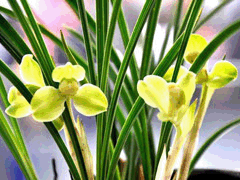 Although orchids like moisture, their fleshy root system is afraid of waterlogging; excessive moisture or rain accumulation easily causes root rot and induces black spot disease. So the potting soil for growing orchids should not be too wet normally. In winter, orchids are in a dormant or slow-growth stage, and the potting soil should be on the dry side; spring and early summer are important periods for orchids to root and grow new leaves, and the potting soil should be on the moist side; but long-term excessive moisture also easily causes root rot, leading to yellowing leaves and even death. This is because excess water causes soil waterlogging and poor aeration, resulting in insufficient oxygen, which hinders root respiration and causes the root system to turn black and rot. During the plum rain or heavy rain season, potted orchids must be protected from the harm, because with prolonged rain and excessive moisture, black spots are most likely to appear on new leaves, and the flower buds often show a “rotten sheath” phenomenon, affecting flowering and ornamental value. However, if the potting soil is too dry, it easily makes the pseudobulbs shrivel or other tissues lose water and affects metabolism, and can also lead to weak tissues and poor plant growth. In autumn, the potting soil should be on the moist side to help leaf growth and proper flowering the following year. Therefore, orchid growers should understand the trick of “not wet in winter, not dry in autumn.” The above explains the different water requirements of orchids at different stages, so the amount of watering should be strictly controlled according to those requirements. At the same time, improper fertilization of orchids can also easily cause root rot; for example, too much fertilizer, too concentrated fertilizer, or pouring liquid fertilizer into leaf sheaths will all have adverse effects on orchid growth. When fertilizing, the amount of fertilizer should also be increased or decreased according to the amount of watering, so that they grow in harmony.
For more professional agricultural science and technology information, please scan the QR code to follow WeChat: NongXunNET

Please indicate the source when reprinting.