What Is Cabbage Root Rot? A Detailed Guide to Cabbage Cultivation Diseases
What is cabbage root rot? How do you prevent and control cabbage root rot? Here are the methods. The damage and causes of cabbage root rot: it mainly occurs during the seedling stage or shortly after transplanting. The epidermis at the base of the stem turns brown and rots, followed by the rotting of the root system, and affected plants can be pulled out very easily. The disease overwinters as mycelium in seeds and soil...
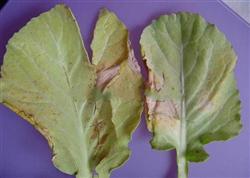 What is cabbage root rot? How do you prevent and control cabbage root rot? Here are the methods.
The damage and causes of cabbage root rot:It mainly occurs during the seedling stage or shortly after transplanting. The epidermis at the base of the stem turns brown and rots, followed by the rotting of the root system, and affected plants can be pulled out very easily. The disease overwinters as mycelium in seeds and soil. It mostly occurs on cabbage plants grown under plastic film mulch in early spring or in small arched sheds and plastic greenhouses. It is a low-temperature, high-humidity disease, and the pathogen spreads with irrigation water.
Cabbage root rot prevention and control methods:
1. Cabbage seed treatment: choose excellent varieties, use a 800-fold dilution of Kuiwei Antai and soak the seeds for 4 hours to disinfect them, then remove them and rinse twice with clean water, drain and germinate, and sow; or disinfect with 1% saline solution.
2. Cabbage seedbed soil treatment: disinfect the bed soil with a 1000-fold dilution of carbendazim, or treat it by mixing in a 1000-fold dilution of Kuiwei Antai, or use matrine powder at 1:1000 to control underground pests. The seedbed should be level to facilitate even watering later, with a thickness generally around 10 cm; use organic bioactive fertilizer as the seedling fertilizer, as it can significantly improve cabbage's resistance to root rot.
3. Cabbage sowing and seedling-raising method: after sowing the germinated seeds evenly over the seedbed, cover with soil, generally about 1 cm of soil, and sandy loam is preferable for the covering soil. After covering with soil, put on a plastic shed cover to raise the temperature and promote emergence. Be careful never to flood-irrigate, to prevent high humidity and low temperature from causing various seedbed diseases.
4. Cabbage seedbed management method: after the seedlings emerge, water them at the right time to prevent water shortage, but never flood-irrigate. When 30% of the seedlings have emerged, spray the seedbed and seedlings 2-3 times with a 500-fold dilution of Kuiwei Antai to prevent damping-off, sudden wilting and root rot, at intervals of 7-10 days. After the seedlings have all emerged and are uniform, spray 1-2 times with a 1300-fold dilution of Weisheng D, at intervals of 10-15 days, which can promote healthy seedling growth and prevent disease invasion. After the seedlings grow larger, move them in time, plant by plant, at intervals of 2 cun. After moving the seedlings, water by sprinkling, not by flood irrigation. Before transplanting, ventilate and air the seedlings in time to harden them. One day before transplanting, irrigate once heavily, soaking thoroughly.
5. Cabbage transplanting management method: at transplanting, spray the seedbed and seedlings once with a 300-fold dilution of Kuiwei Antai or a 500-fold dilution of 50% Genfuling or other fungicides, to prevent the seedlings from carrying pathogens into the greenhouse. At transplanting, Chinese chives and cabbage can be planted in alternating rows, which can reduce cabbage root rot, because Chinese chives produce a strong, special pungent odor that repels insects and kills pathogens.
Click to get more cabbage cultivation techniques
Click to get more vegetable cultivation techniques