Take cuttings of these 2 flowers in summer: they root fast, grow well, and are not prone to yellow leaves or root rot
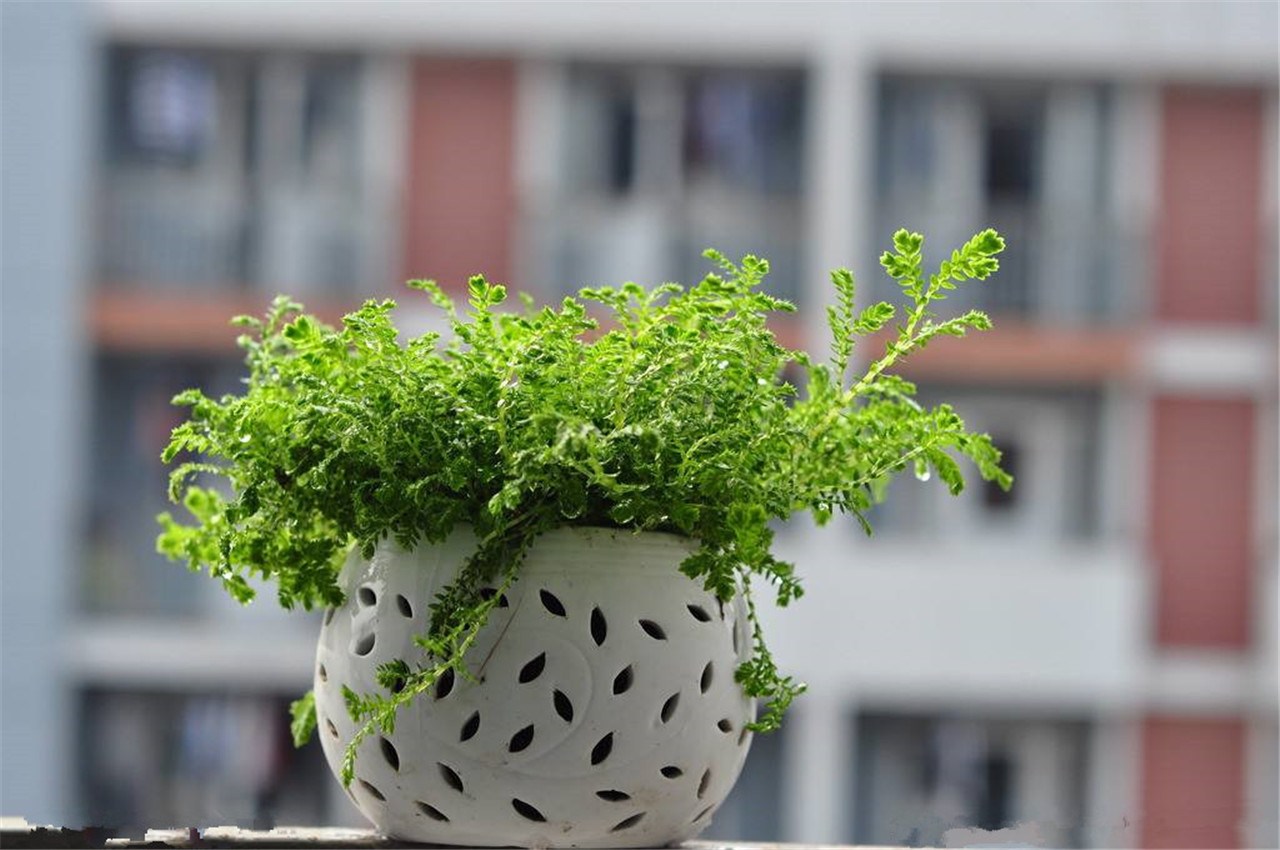
Just take cuttings of these 2 flowers in summer: they root quickly and grow well, with no need to worry about yellow leaves or root rot!
In the hot summer, many friends want their homes to be full of life, yet when choosing potted plants they worry they will not be able to keep the potted plants alive successfully. This kind of situation is quite a headache. In fact, in summer, in home life, placing some green plants at home is also a pretty good choice, and this practice can play a very good decorative role for the home, and for the temperament of the home's decor it also has a pretty good effect, and for people themselves it also has certain benefits.
So for those friends who do not want to keep potted plants, choosing to take plant cuttings is also a pretty good thing. First, for the high temperatures of summer, taking plant cuttings must be viewed from two sides, as there are both advantages and disadvantages. The advantage of taking plant cuttings in summer is that the plants' division speed is actually quite fast; the rooting problem that previously took a long time to complete can be solved to a certain extent in summer. And in summer, the rooting speed can be reduced by about half.
Of course, while advantages exist there are also certain disadvantages. For plants cut in summer, the problems that easily appear are black stems and dehydration. But some plants are quite easy to propagate by cuttings and grow, so which plants are these?
Osmanthus (Osmanthus fragrans) is quite suitable for cuttings in summer, because in summer this plant is in a semi-lignified state, and the cells inside its branches are not particularly active in division. When taking cuttings it is quite easy to survive, and for its roots it is also relatively easy to grow.
First, when cutting the branches you need to pay attention: you must cut those thick, strong young branches, and control their length at about 10 cm, and for their base cut it into a horseshoe shape. When preparing the cutting medium, using some loose, well-aerated sandy soil is best, while for those soils with high stickiness it is not recommended to choose them.
Insert the cut young branch 2/3 of the way into the soil, then move it to a semi-shaded position for care. During this period, what you need to pay attention to is that the soil moisture must be kept at all times. Usually under such conditions, after about one month, the cut osmanthus branch will grow roots, and after that it can be transferred for growing.
And gardenia (Gardenia jasminoides) is also one that can be cut in summer, because gardenia roots fast and has a high germination rate, and is easily transplanted into a potted plant. First, what you need to do is make a selection on the gardenia's branches; as far as possible choose some thick, strong branches, then peel off the outer bark. In such a peeling process, what you must pay attention to is the issue of disinfection.
After these tasks are completed, put the branch into a plastic bottle, add some good growing soil to retain water, then wrap it well with cling film, achieving a state of no water leakage and no soil leakage. The main purpose of this practice is to prevent the moisture in the soil from evaporating too quickly. And in the subsequent cultivation process you also need to replenish water in time to maintain its humidity. Generally speaking, under such conditions 2 to 3 months are enough to root and sprout.
So after reading about the cuttings of these two plants, do you have any different cutting methods?