-
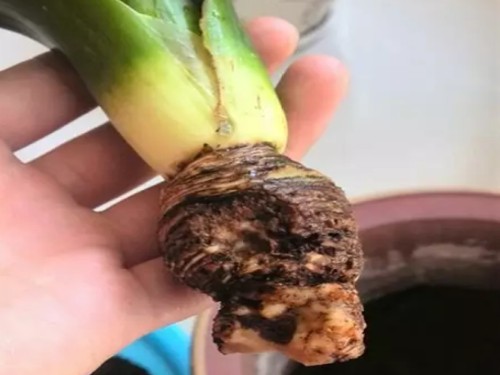
How to care for and manage a Clivia miniata after root rot so it can recover
Root rot in Clivia miniata is mainly caused by overwatering, high temperatures, overly concentrated fertilizer or raw manure, and in some cases by infection from pathogen-bearing growing media. Whether a Clivia miniata can survive after root rot depends mainly on whether the root axis is in good shape, whether the leaves have separated from the root axis, and the condition of the new leaves in the center.
-
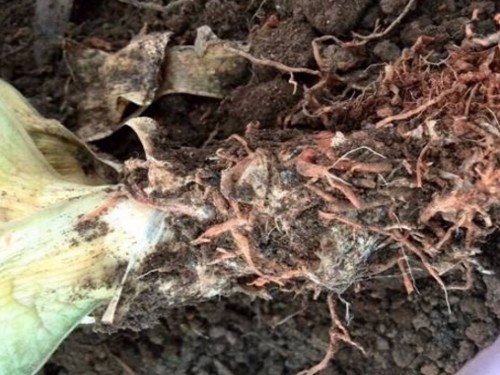
What to Do If Your Snake Plant Has Root Rot? Here's the Correct Way to Handle It
Snake plants are known as natural air purifiers and can effectively remove harmful substances from the air. In particular, their ability to absorb formaldehyde is extremely strong, and they can effectively remove harmful substances such as sulfur dioxide, chlorine, ether, ethylene, carbon monoxide, and nitrogen peroxide.
-
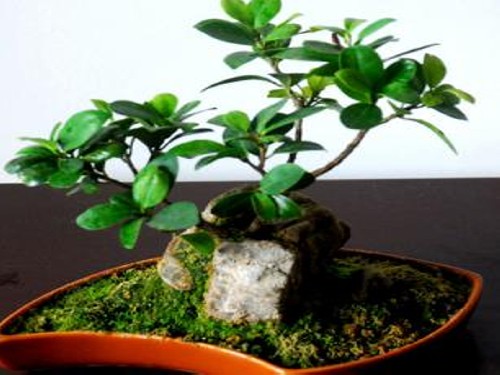
What to do if a bonsai ficus has root rot? I'll teach you the correct rescue method
Root rot is mostly caused by not mastering the watering interval well and watering too frequently. If potted flowers and plants are watered excessively, it often causes root rot, so the water used for watering flowers should be moderate. Generally, it is not advisable to water every day; it should depend on whether the potting soil is dry or wet, and usually watering once every 5-5 days is enough. If root rot has already appeared in the potted flowers, rescue should be carried out immediately
-
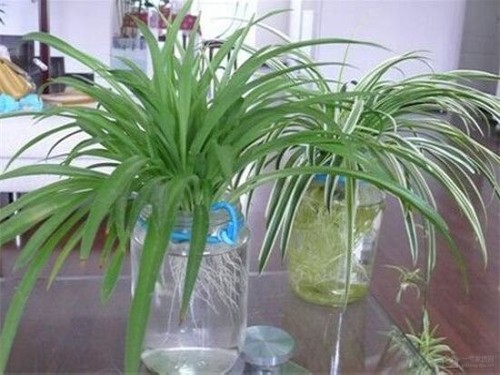
Causes and Solutions for Root Rot in Hydroponic Spider Plants
Spider plant lovers always like to pinch off a few leaves and stems and grow them in water. Careful growers notice that before long, the roots of the spider plant begin to rot. So, what should you do if the roots of a hydroponic spider plant rot? If the roots of the spider plant have already rotted in the water, it is best to first clean the container and the roots of the spider plant, and cut off all the rotted roots
-
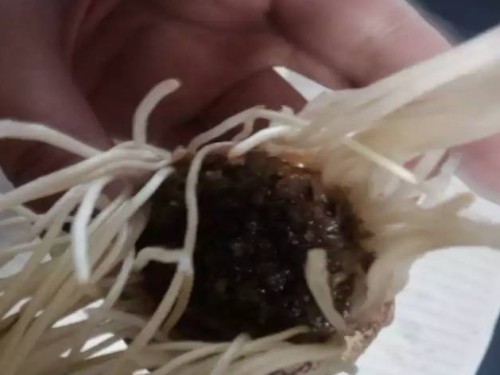
What to Do About Root Rot in Hydroponic Plants? Cause Analysis and Treatment Methods
Anyone who loves growing green plants knows that hydroponic plants are generally easier to grow than soil-grown plants. However, if they are not properly cared for, hydroponic plants are also very prone to root rot. So-called root rot means the plant's roots turn yellow, black, and soft; when you gently pull at the base of the root with your hand, the outer skin peels off very easily, leaving only the woody part.
-
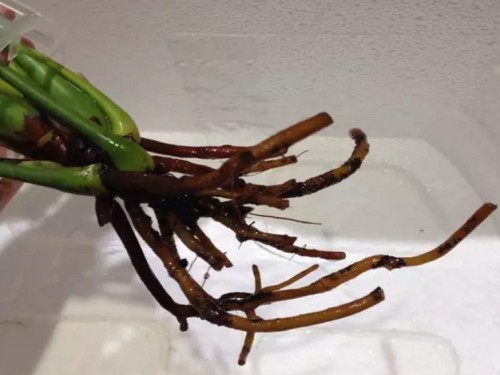
What to Do About Root Rot in Hydroponic Anthuriums? Causes and Solutions
The key to growing Anthurium in water is ensuring healthy root growth. Anthuriums have aerial roots and need plenty of oxygen, but the oxygen in water is far less than in soil, and many factors can cause root rot. Below, we introduce ways to prevent root rot in hydroponic Anthuriums! Hydroponic plants often grow less vigorously than soil-grown ones.
-
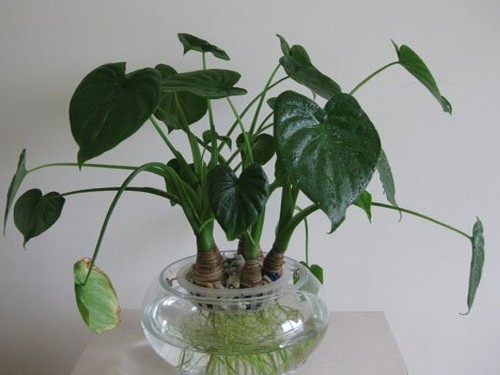
Causes of and Solutions for Root Rot in Water-Cultured Dieffenbachia (Alocasia macrorrhizos)
Many gardening enthusiasts run into the problem of root rot in water-cultured Dieffenbachia. In fact, this situation mostly arises because enthusiasts do not understand water-cultured plants well enough. Many enthusiasts think that simply putting the plant's roots into water is enough, but this is actually wrong. Water-cultured plants must go through a series of steps such as root washing, disinfection
-
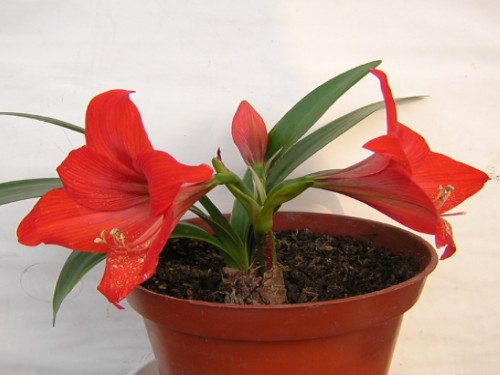
How to Properly Handle Amaryllis Root Rot
Amaryllis (Hippeastrum) comes in vivid, rich colors with large blooms. It can serve not only as a premium potted flower but also as an excellent ground-cover plant in garden landscapes, and it can even be produced as a high-end cut flower. Amaryllis is a very important ornamental flowering plant, mostly grown in pots, but many people also choose hydroponics.
-
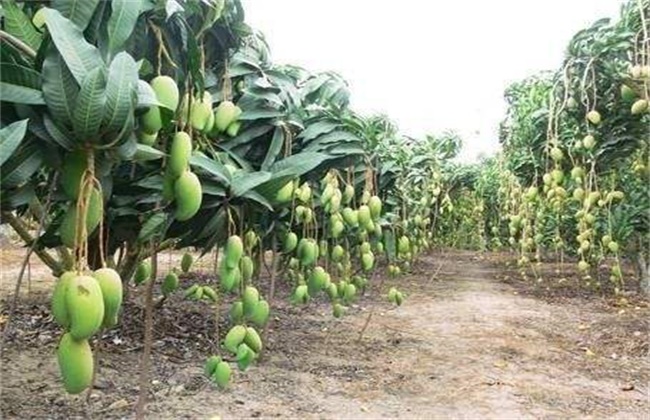
Detailed Explanation of the Reasons and Methods for Root Cutting in Mango Trees
Reasons and Methods for Root Cutting in Mango
-
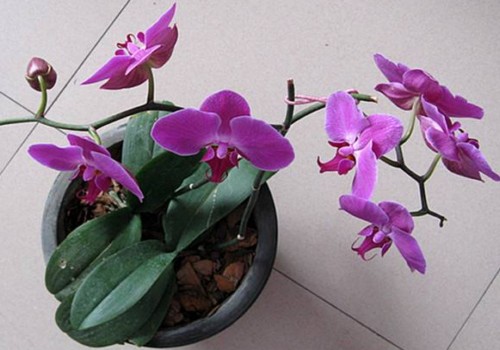
Phalaenopsis keeps getting root rot? Try changing the growing medium
Many gardening friends love Phalaenopsis, but just cannot grow it well, especially in pots, where growing Phalaenopsis well seems to become fraught with difficulties. In fact, when all the problems are summed up together, it comes down to root rot, and the most direct and main cause of root rot is watering. It can be said that failing to grow Phalaenopsis well
条件筛选