What to Do If Your Snake Plant Has Root Rot? Here's the Correct Way to Handle It
Snake plants have the reputation of being a "natural air purifier," and they can effectively remove harmful substances from the air. In particular, their ability to absorb formaldehyde is extremely strong, and they can effectively remove harmful substances such as sulfur dioxide, chlorine, ether, ethylene, carbon monoxide, and nitrogen peroxide. This is why the snake plant has also become an indispensable eco-friendly indoor plant in modern life.
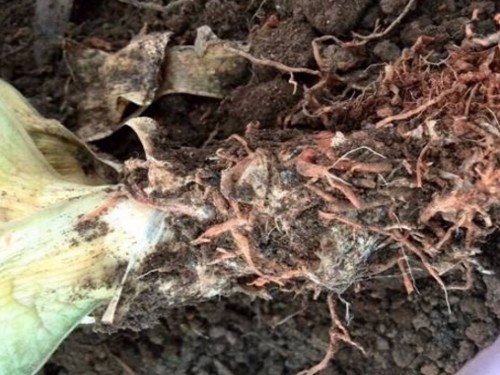
Snake plants are very popular indoor plants that can be grown indoors year-round. Their upright leaves and variegated patterns make them a favorite! They are perfect for indoor decoration, and they usually need hardly any care. Watering once every half month is already more than enough! Snake plants have fleshy roots. During routine care, compacted soil, overwatering, and poor ventilation can all cause root rot. The leaves will also wilt as a result, seriously affecting their ornamental value. Below, the editor will teach you how to handle root rot in snake plants!
[Causes of Root Rot in Snake Plants]
1. Overwatering
Snake plants have an underdeveloped root system, and because the roots are fleshy, they are often planted shallowly. Some plant lovers water too much, and the water in the potting soil cannot evaporate in time. Over time, this leads to root rot in snake plants.
2. No soil change for a long time
Snake plants are usually repotted every two years. If the soil is not changed for a long time, the nutrients in the soil are used up, and air becomes scarce, hindering root respiration and causing root rot. In addition, long-term fertilizing means the fertilizer effect cannot fully dissipate and accumulates in the potting soil, seriously affecting root growth.
3. Poor ventilation in the growing environment
Snake plants do not have high light requirements, but the environment must be well ventilated. If they are kept in a stuffy, hot state for a long time, the leaves cannot absorb water, which will also affect root growth.
4. Pests and diseases
During the growth of snake plants, they can be harmed by root rot disease and nematodes, causing root damage and even decay.
[How to Handle Root Rot in Snake Plants]
1. Repot regularly
Repot once every two years. When repotting, replace half the soil with new soil, and expose the soil to sunlight or water it with a sterilizing agent for disinfection. Choose fertile, loose, well-draining soil rich in humus.
2. Water less
Snake plants do not need much water to grow; keeping the potting soil moist is enough. If you do not know how much water to give, you can use the soaking method to water, which can reduce water accumulation in the pot. Reduce watering in winter.
3. Replant
Snake plants that already have root rot can be repotted and replanted. First, clean off the rotten part of the roots. If conditions allow, you can use a fungicide such as carbendazim to disinfect them, then let them dry in a cool, shaded place and replant them to grow new roots (it is recommended to root them in a cutting medium such as plain sand + vermiculite + peat, etc., before planting).
If the root rot is severe and the root ball has an unpleasant odor, you must wash off the old soil, cut off the rotten roots, and replant. Before planting, soak the roots in a 1:800 potassium permanganate solution, which can prevent rot and promote rooting. After planting, place it in a cool, shaded place to recover for a week, and stop fertilizing and control watering during this period.