-
What is the fastest method for rooting camellia cuttings?
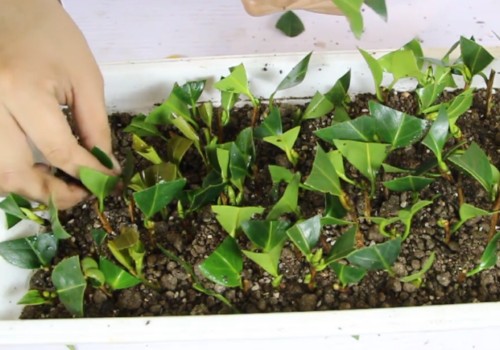
Camellia is a plant very well suited to flower appreciation, after all, this plant has large blooms, brilliant colors, and high ornamental value. Many pot-growing enthusiasts choose to buy ready-made camellia seedlings from flower markets in spring and autumn to pot at home, but there are also enthusiasts who like to propagate camellia seedlings themselves. And the propagation of camellia seedlings
-
Reasons Why Pothos Cuttings Don't Grow Roots in Water and How to Fix It
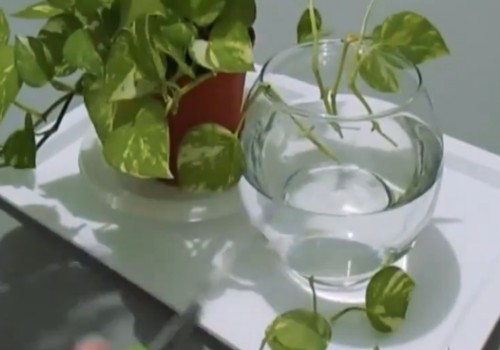
Although pothos (Epipremnum aureum) grown in water grows more slowly than in soil, its care and management are relatively simple, and when grown well it also has extremely high ornamental value. Water-cultured pothos is usually grown by cutting a stem section from the mother plant and placing it in water. If we do it improperly, the water-cultured pothos may fail to grow roots.
-
What to Do If Roses Fail to Root After Cutting or Air Layering
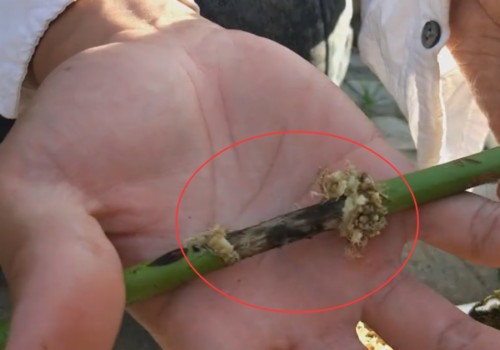
There are many propagation methods for roses, among which cutting and air layering are relatively more efficient and have a higher survival rate. However, sometimes we find that whether it is a cut rose or an air-layered rose, we often only see callus tissue but no roots. So in this case
-
How long does it take for rose air layering to root?
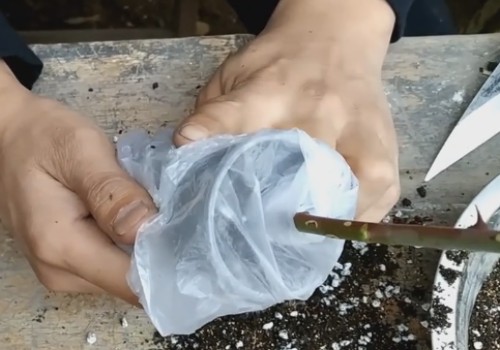
Ground-planted roses often produce a great many basal shoots. In spring, we can transplant the rose into a flower pot. Then let it grow in the pot for one year, and when the basal shoots grow to 2 cm in thickness, we can cut off the surplus branches for air layering propagation, and grow them into tall standards for grafting to improve new varieties
-
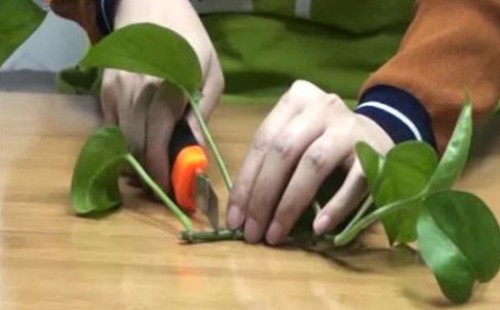
Can You Trim the Roots and Stems of Hydroponic Pothos? A Detailed Guide to the Correct Cutting Method
Pothos grows very quickly, relying mainly on its powerful root system. Even in a hydroponic state, pothos often has a massive root system. As the plant keeps growing, the roots and stems also become more numerous and denser. During normal metabolism, quite a few old roots are bound to form
-
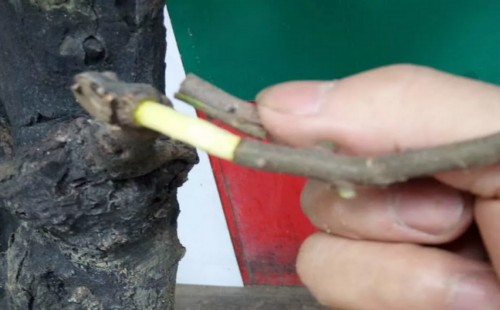
How long does it generally take for Chinese sweet plum (Sageretia thea) air layering to root?
Air layering is a very efficient means of obtaining small bonsai stock. For tree species like Chinese sweet plum (Sageretia thea) when cultivating raw stock, it often achieves twice the result with half the effort. This is mainly because propagating small Chinese sweet plum bonsai stock through air layering has a very fast rooting speed, making it easy to obtain stock that can be transplanted into pots. So
-

Can Ping'an trees be propagated by water cuttings? A detailed guide to the rooting methods for cuttings
Just as its name suggests, the Ping'an tree (Cinnamomum kotoense) carries a very auspicious meaning, symbolizing good fortune and well-being. In addition, the Ping'an tree stays evergreen all year round, has excellent greening and beautifying effects, and offers high ornamental value, so it can be seen in many places. This is especially true because the Ping'an tree likes a warm, humid growing environment with plenty of light
-
What season is easiest for ZZ plant cuttings to take root and survive
The ZZ plant (Zamioculcas zamiifolia) is an evergreen species with high ornamental value and also very outstanding practical value, so it is generally grown and kept as a foliage houseplant. In recent years, as people's understanding of the ZZ plant has gradually deepened, more and more people have grown very fond of it. So
-
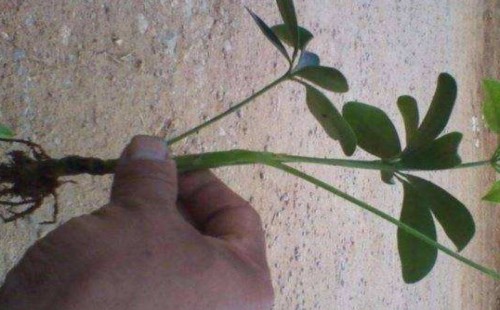
How to root Schefflera cuttings quickly? A few practical tips for you
The Schefflera can be propagated in many ways. It can not only be grown from seed, but can also be propagated by cuttings, division, layering, and so on. However, whether for mass production or for home potted plant growers, cutting propagation is often the most suitable. This is because the cutting method is not only simple to perform, but also gives good survival rates, so the propagation efficiency is relatively high
-
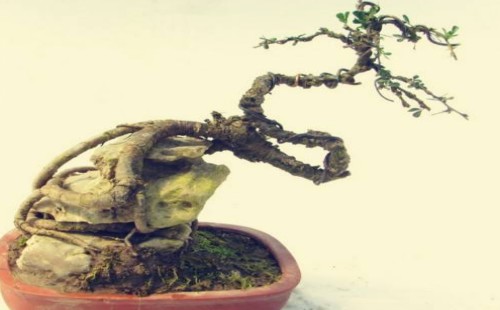
How to coil and expose the roots of a Caragana bonsai? Master the correct method
Coiling the roots is an important means of shaping the roots in the process of making an exposed-root bonsai. First of all, during the potting process, the roots must be properly handled, and soil must not be covered in the traditional way. When potting, you can lift the roots up slightly so that they are exposed above the soil surface. This not only makes shaping easier
条件筛选