-
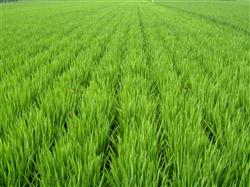
Causes and Control Methods of Rice Deadheart Disease
Key Points of Rice Dry Seedbed Cultivation Technology 1. Apply sufficient base fertilizer: In combination with deep ploughing or leveling the field with irrigation water, apply 30-40 kg of rice-specific compound fertilizer, ammonium bicarbonate and 20-25 kg of ordinary calcium superphosphate per mu, applied all at once as a middle fertilizer. Fields with broad bean as the previous crop should receive a larger amount, while vegetable or potato fields should receive a smaller amount. 2. Transplant shallowly and sparsely at the right time...
-
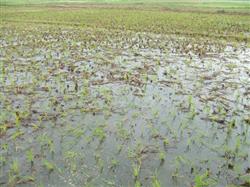
Detailed Explanation of Rice No-Till Dry Direct Seeding Cultivation Technology
(1) Paddy field selection: Select a field where the previous crop was rice and which has not been plowed for no-till dry direct seeding cultivation. Fields with many malignant weeds, heavy clay soil, etc. are not suitable for no-till cultivation. (2) Weed treatment: 4 to 6 days before sowing, choose a sunny or cloudy day with a temperature above 15 degrees, use 10% "Glyphosate" 2 kg + 20% "Gramoxone" 100 ml per mu, diluted in 60 kg of water (four containers of water), and add one tablespoon of laundry detergent to each container of water, then spray to control weeds. If rain occurs within 4 hours after spraying, re-spray, otherwise the weed control effect will be poor.
-
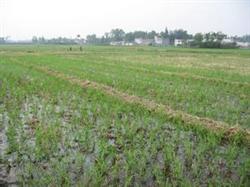
Key Operational Points for No-Till Rice Seedling Broadcasting Cultivation Technology
No-till rice seedling broadcasting refers to a new rice tillage and cultivation technique in which, after harvesting the previous crop, without any plowing or harrowing of the paddy field, herbicide is first applied to kill weed plants and shed-grain seedlings and to wither rice stubble, then the field is irrigated and fertilized for retting, and after the water layer naturally drains or shallow water is released, plastic-tray seedlings or paper-tube seedlings are broadcast-transplanted into the main field...
-
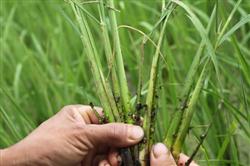
Key Technical Points for Controlling Diseases, Pests and Weeds in the Field After Rice Seedling Broadcasting
Southern rice black-streaked dwarf disease is a viral disease mainly transmitted by the white-backed planthopper. It mainly harms staple grain crops such as rice and corn. Once a crop is infected, the plant becomes stunted, tillering increases, and in the later growth stage the diseased rice cannot head or set grain, sometimes resulting in a complete loss of harvest, seriously threatening the safety of our county's grain production. In order to scientifically...
-
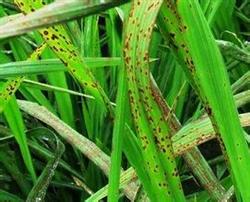
Identifying Zinc Deficiency Symptoms in Rice and Techniques for Skillfully Applying Zinc Fertilizer in Paddy Fields
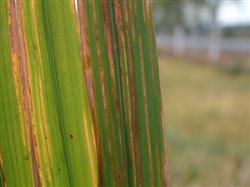
Zinc is one of the essential trace elements for the growth and development of rice. Zinc deficiency in rice shows obvious symptoms. When rice is deficient in zinc, chlorotic yellow-white spots first appear in the midrib area of the lower leaves, with reddish-brown spots and irregular patches forming on them, which then gradually expand into reddish-brown streaks, turning reddish-brown and drying from the leaf tip downward, and from...
-
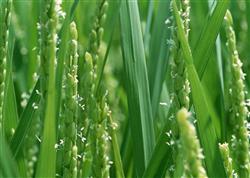
Fertilizer Requirements and Key Fertilization Techniques for Rice at Different Growth Stages
I. Fertilizer Requirements of Rice. Nitrogen, phosphorus, and potassium are the nutrient elements that rice requires in relatively large amounts while soils are relatively deficient in them. Generally, for every 100 kg of rice grain produced, about 1.6-1.9 kg of nitrogen, 0.8-1.3 kg of phosphorus, and 1.8-3.8 kg of potassium are absorbed, with a ratio of approximately 1:0.5:1.3. Nitrogen uptake is highest from the greening stage to the tillering stage...
-
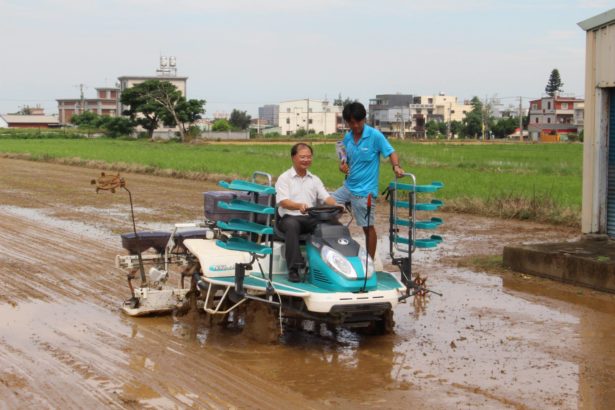
Direct-seeded rice skips the need for seedlings and transplanting, tastes better, and saves 15% water
No more bending over in the fields! Rice can also be direct-seeded, skipping seedlings and transplanting, tasting better and saving 15% water
-
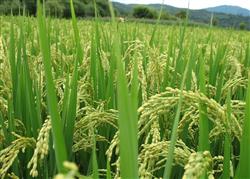
What is the effect of different fertilizer ratios on rice yield?
When rice shows premature senescence from the heading to the maturity stage, it leads to poor grain filling, an increase in blighted grains, and reduced yield. There are many factors that cause premature senescence in the late growth stage of rice. First, improper cultivation management. If the planting density is too high, the plants grow thin and weak; if too much nitrogen fertilizer is applied in the early and middle stages, while phosphorus, potassium and trace element fertilizers are applied...
-
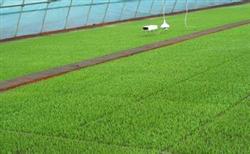
Timely early transplanting of rice helps increase yield
As a supporting seedling-raising method for manual transplanting, the wet seedling-raising technique for rice is suitable for seedling raising across different regions, rice-growing seasons and different types of rice varieties, and is widely adopted in China. This technique is easy to operate, widely applied and highly adaptable; when mastered properly, it produces seedlings of good quality and high yield. 1. Seedbed preparation...
-
Key Technical Points and Operation Methods for Single-Application Fertilization of Rice
Distribution Rice bacterial leaf streak, commonly known as rice fine streak disease, is one of the important worldwide rice diseases. Its pathogen belongs to the genus Xanthomonas bacteria, and the bacteria mostly invade through leaf stomata; symptoms can appear at any growth stage of rice. The lesions are short and fine narrow streaks, with the stripes appearing between the leaf veins; when viewed against the light...
条件筛选