-
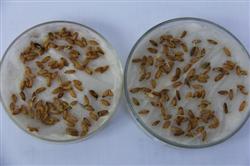
Detailed Explanation of Rice Blast Resistance Breeding Techniques
The main diseases transmitted by rice seeds include bakanae disease, rice blast, rice false smut, bacterial leaf blight, and striped virus disease transmitted by the small brown planthopper at the seedling stage. Currently, it is time for soaking rice seeds in Qilin District. When soaking rice seeds, all demonstration households must insist on soaking seeds with fungicides, the main purpose of which is to kill the pathogens carried by rice seeds...
-
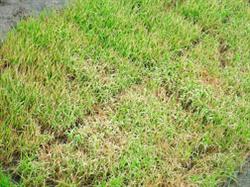
What to Do About Rice Seedling Rot? Detailed Prevention Measures
Rice seedling rot is the general term for seed rot, sprout rot and seedling death occurring at the seedling stage. Rice seedling rot can be divided into two categories: physiological and infectious. Physiological seedling rot is mainly caused by low temperatures and mistakes or poor management practices in the seedling nursery; infectious seedling rot is caused by pathogen infection, and the main diseases include rice cottony rot, rice rot disease and rice...
-
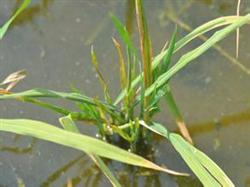
What are the symptoms of nutrient deficiency and excess nutrients in rice?
I. Overview of the occurrence In 2001, southern rice black-streaked dwarf disease was first discovered in late rice in Guangdong. In recent years, the affected area has expanded rapidly in Vietnam and the rice-growing regions of southern China. In 2009, it occurred in 9 provinces including Guangxi, Guangdong and Hunan, with an affected area of 5 million mu, and it is expected to exceed 10 million mu in 2010 (there is not yet an accurate...
-
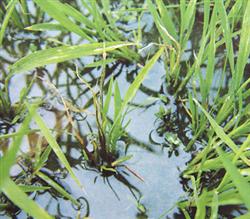
How to control the main diseases of rice in the middle and late stages? Here are the key control points
Damage symptoms: Symptoms appear in the late seedling stage and become obvious at the peak tillering stage. Diseased plants are stunted, with light green leaves; small yellowish-white spots appear on the leaves, round or oval, often forming lines; after booting, diseased plants are significantly stunted, with plant height less than one-half that of healthy plants. Leaves are short and thick, and the central leaf is yellowish-white, sometimes curved or twisted...
-
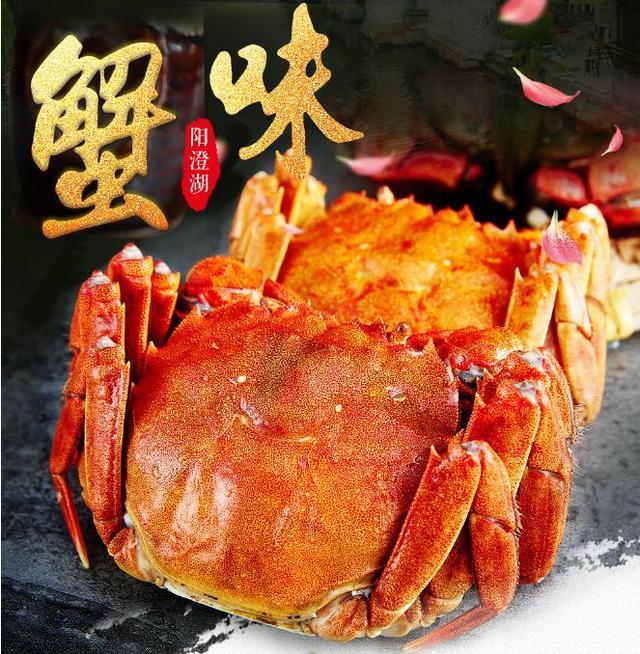
Authentic Yangcheng Lake hairy crabs: nearly 10,000 sold in 1 hour before the lake opens, prices about to rise
"When the autumn wind blows, crab legs itch." When the autumn air is crisp and cool, it is exactly the season when Yangcheng Lake is fragrant with osmanthus and fat with crabs. Eating Yangcheng Lake hairy crabs follows the saying "ninth-month females, tenth-month males": in the ninth month the female crabs are at their best, and in the tenth month the male crabs are at their freshest. Su Dongpo said: "Not eating crab betrays...
-
How to prevent and control bacterial brown stripe disease of rice?
Control of bacterial brown stripe disease of rice: 20% Yekuning (Chuanhua 018) wettable powder at 6000 times dilution; 25% Dikushuang at 1500 to 2000 times dilution; 20% Shakujing (Yekujing) wettable powder at 300 to 400 times dilution (not to be used after heading); during the seedling stage, Daisenzam at 1000 to 1500 times dilution may be used; during the main field stage, use 2 to 1 to 500...
-
How to prevent and control rice Phytophthora disease? Detailed explanation of control methods
Rice Phytophthora disease: Diseased fields should be drained and dried in time, which can effectively inhibit the spread of the disease. Chemical control should focus on protecting early rice seedlings at the 3-leaf stage. Generally, pesticides should be applied before cold-protection irrigation or after drainage. The pesticides include: 50% carbendazim 1000-fold solution; 50% thiophanate or 50% benomyl 500-fold solution; 40% Phytophthora-killing 500-fold solution....
-
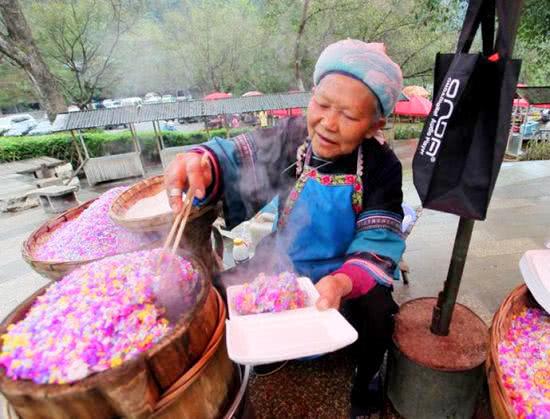
Dyed rice at 10 yuan a bowl, sold by an elderly woman by the roadside: why are there more onlookers than buyers
An elderly woman sells "dyed rice" by the roadside, 10 yuan a bowl, why are there more onlookers than buyers! Rice is one of the ingredients we see most often, and most rice is white, but have you ever seen colorful rice? Of course, this colorful rice...
-
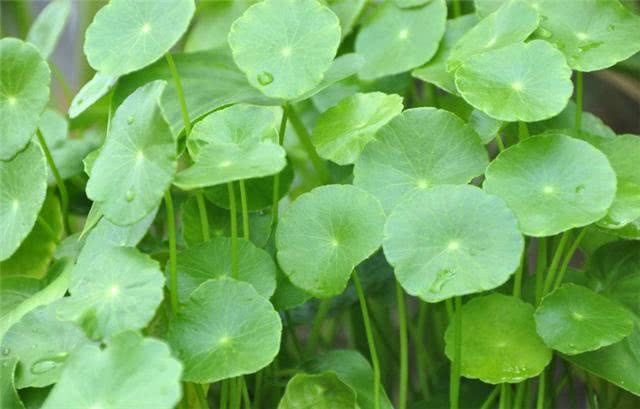
Pennywort grows more and more vigorously when watered with rice water every day; my husband really knows how to grow flowers
Pennywort (Hydrocotyle vulgaris) is a very beautiful foliage plant, much loved by gardening fans, and it is fairly easy to care for. It does not need much fertilizer and is casually managed, much like growing pothos. Gardening fans can usually learn some little tips for growing pennywort...
-
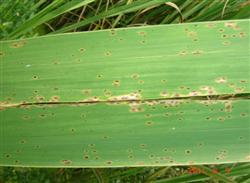
Jiaobai (wild rice stem) is prone to Helminthosporium leaf spot disease under high-temperature and high-humidity weather
Jiaobai Helminthosporium leaf spot is a fungal disease. In recent years, as the jiaobai planting area has continued to increase, the scope of occurrence of this disease has gradually expanded, and the severity has become increasingly worse. This disease can occur throughout the entire growth period of jiaobai. It mainly damages the leaves. In the early stage, small yellow-brown spots appear on the leaves, which later expand into brown spots the size of sesame seeds, with a few forming...
条件筛选